Loading…
← All schools
Aaniiih Nakoda College
Harlem, MTpublicancollege.edu
Avg net price
$7,887
Earnings (10 yr)
$30,528
Graduation rate
34%
Acceptance & SAT from Common Data Set / IPEDS; net price, earnings & graduation from the U.S. Dept. of Education College Scorecard. Figures lag ~1–2 years — verify with the school.
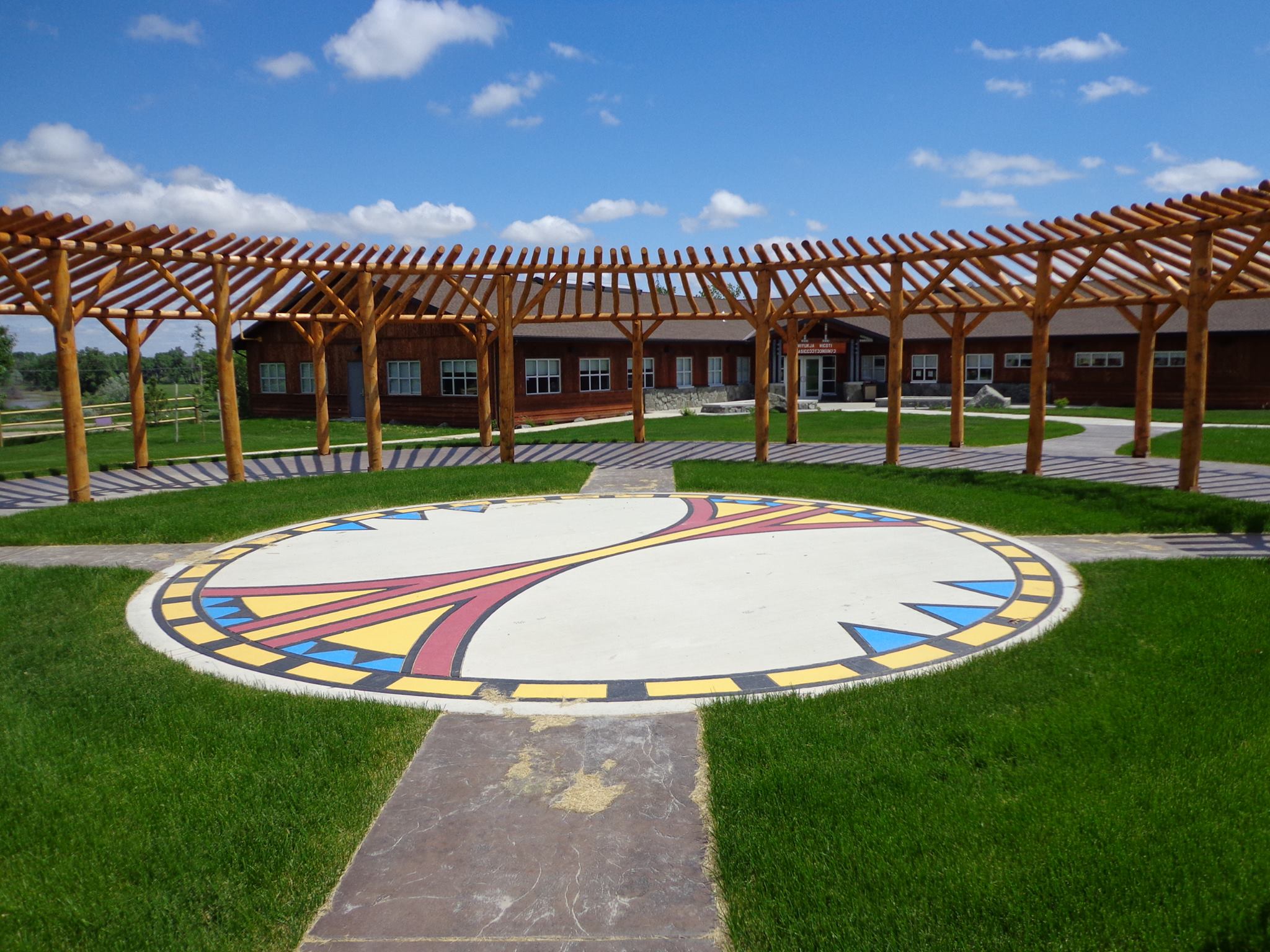
Aaniiih Nakoda College is not just a college; it's the intellectual and cultural heart of the Fort Belknap Indian Reservation. This tribally controlled institution operates with an open-door admissions policy, placing the revitalization of Aaniiih and Nakoda languages and lifeways at the center of its mission. With a tiny, close-knit student body and a curriculum that spans from environmental science to computer information systems, ANC is a singular model of Indigenous-led higher education, where success is measured in community impact as much as in degrees conferred.
More details
- Undergrad enrollment
- 106
- In-state tuition
- $3,080
- Out-of-state tuition
- $3,080
- Location
- Fort Belknap Indian Reservation, Harlem, MT
- Graduation Rate
- 34%
- Median Earnings (10yr)
- $30,528
Outcomes & value
Outcomes & value
- Median earnings (10 yr)
- $30,528
- Value (earnings ÷ net price)
- 3.9×
- Graduation rate
- 34%
- Pell (lower-income) share
- 65%
- First-gen share (among federal-aid recipients)
- 29%
Earnings = median of students working ~10 years after entry; debt = median of graduates. Value divides 10-yr earnings by one year’s net price — read it as earnings per dollar of annual cost, not a full lifetime ROI; it favors lower-cost schools. Source: U.S. Dept. of Education College Scorecard. Figures lag ~2 years and reflect all students, not your intended major.
Campus & location
Campus safety
- On-campus violent crimes (2024)
- 0
On-campus criminal offenses classed as violent (murder/non-negligent manslaughter, rape, robbery, aggravated assault) for the most recent reported year. Source: U.S. Dept. of Education Campus Safety and Security (Clery Act). Counts reflect what’s reported to the school, and urban campuses often report more partly due to non-student incidents nearby — read alongside campus size and setting, not as a standalone safety verdict.
Climate
- Pleasant days / yr
- 92
- Summer high
- 82°F
- Winter low
- 14°F
- Annual rain
- 10.1"
- Annual snow
- 29.2"
- Natural-hazard risk
- Relatively Low
Pleasant days counts days per year with a mean temperature of 55–75°F, a high at or below 90°F, a low at or above 45°F, and little precipitation — a transparent comfort measure, not a weighting we invented. Computed from Open-Meteo ERA5 daily history (2019–2023). Natural-hazard risk is the county’s composite rating from the FEMA National Risk Index.
Deep dive — research, future-scholar output & economic mobility
Research output
- Institutional h-index
- 9
- Scholarly works
- 19
Institutional research volume and impact from OpenAlex. The h-index reflects large research universities and will be low for teaching-focused liberal-arts colleges — not a measure of undergraduate quality.
Quick answers
- How much does Aaniiih Nakoda College cost?
- At Aaniiih Nakoda College, the average net price (after aid) is about $7,887 per year. Actual cost varies with financial aid and residency.
- How many undergraduates attend Aaniiih Nakoda College?
- Aaniiih Nakoda College enrolls approximately 106 undergraduate students.
- Where is Aaniiih Nakoda College located?
- Aaniiih Nakoda College is located in Harlem, MT.
Admissions
Aaniiih Nakoda College practices an open-access admissions policy, reflecting its foundational mission to serve the local community. Multiple sources report a 100% , indicating that all applicants who complete an actionable application are admitted. The process is straightforward: prospective students can fill out an application online and are required to submit official transcripts. Notably, the college does not require or report SAT or ACT scores for admission, and high school GPA is not a published factor. There is no mention of an Early Decision program or a policy regarding demonstrated interest in the available sources, positioning ANC as an institution focused on accessibility rather than selectivity.
Academics
ANC offers a focused, practical curriculum designed to meet community needs and foster cultural continuity. The college awards Associate's and Bachelor's degrees, along with undergraduate certificates. According to one analysis, it offers 14 distinct undergraduate degrees concentrated into 13 majors across 11 broad fields of study. Popular majors include Health-related fields and American Indian/Native American Languages, Literatures, and Linguistics. A unique and highlighted program is Ecology, which is noted as a major where typically one student graduates each year. The college is also actively expanding its STEM offerings, having announced plans for a new Bachelor's degree in Computer Information Systems aimed at increasing STEM enrollment and improving student outcomes. This academic structure supports a deeply integrated approach where, as described by the American Indian College Fund, 'Native language integration and revitalization has always been an integral part' of the college's focus.
Compare Aaniiih Nakoda College
vs University of Science and Arts of Oklahomavs University of Alaska Southeastvs University of Puerto Rico-Carolinavs Northwestern Oklahoma State University
See colleges similar to Aaniiih Nakoda College →Sources
- Aaniiih Nakoda College Overview - CollegeData
- Common Data Set: Home
- How To Use a Common Data Set - The College Solution
- [PDF] common-data-set-2024-2025.pdf - Chestertown - Washington College
- Common Data Set - GradGPT
- Admissions | My Site
- Aaniiih Nakoda College
- Aaniiih Nakoda College Tuition, Acceptance Rate, & Academics
- Admissions - Aaniiih Nakoda College - BigFuture
- Aaniiih Nakoda College - Tuition and Acceptance Rate
- Aaniiih Nakoda College - Profile, Rankings and Data