Loading…
← All schools
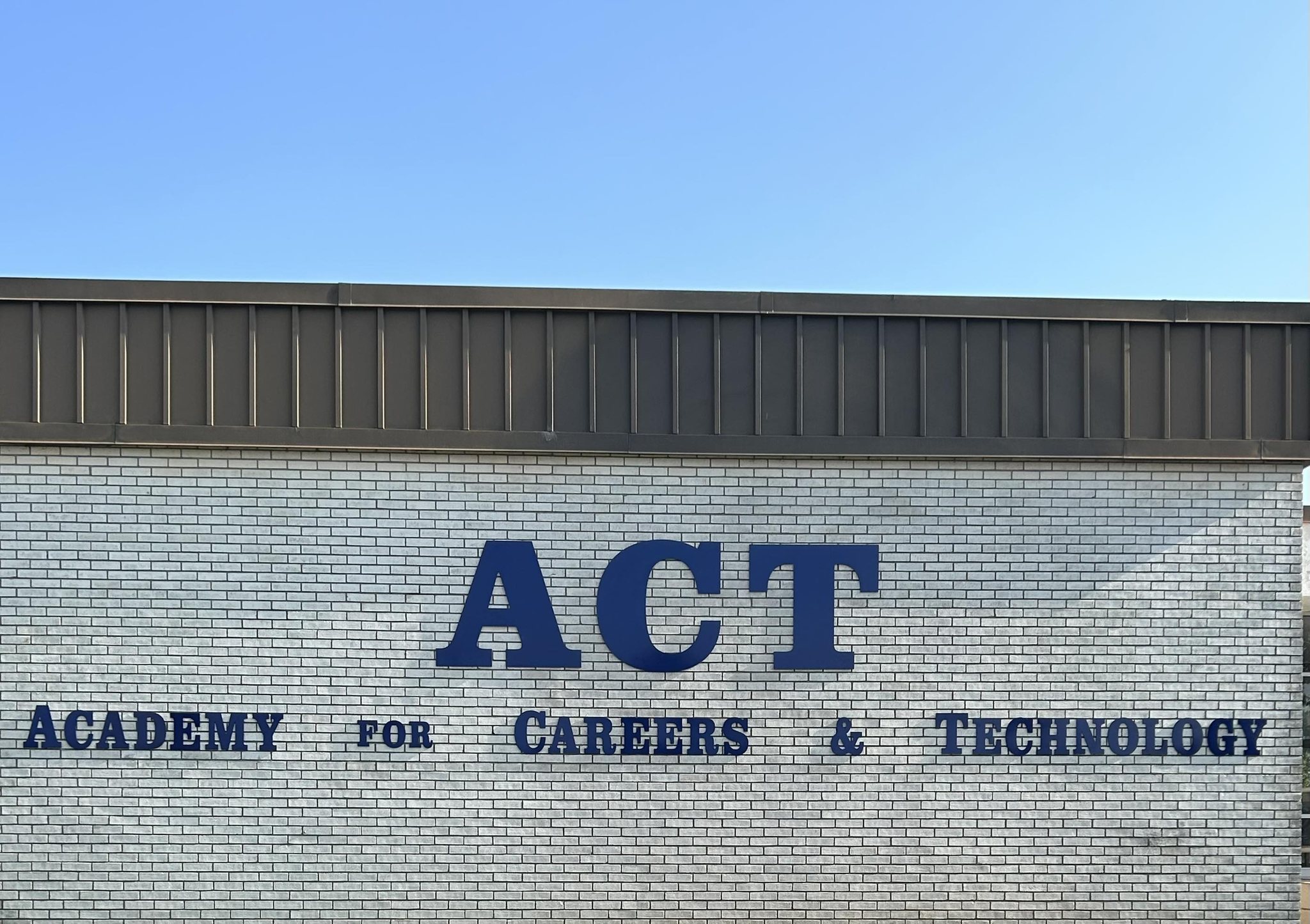
Academy for Careers and Technology
Mullins, SCpublicact.marion.k12.sc.us
Avg net price
$8,969
Earnings (10 yr)
$46,553
Acceptance & SAT from Common Data Set / IPEDS; net price, earnings & graduation from the U.S. Dept. of Education College Scorecard. Figures lag ~1–2 years — verify with the school.
The Academy for Careers and Technology is a singular, no-frills institution that operates with the focused intensity of a trade school, not a traditional liberal arts college. It offers a single, high-stakes program—Licensed Practical/Vocational Nurse Training—to a student body that is almost universally admitted, creating a pragmatic, career-driven environment where graduation and job placement are the explicit goals. This is a place for students who know exactly what they want to do and want to start doing it immediately, with a financial model that leans heavily on grants and explicitly avoids loans.
More details
- Undergrad enrollment
- 37
- Application Fee
- $150
- Graduation Rate
- 53% - 79.8% (varies by source)
- Financial Aid Policy
- Grant-only, no-loan
- Single Major Offered
- Licensed Practical/Vocational Nurse Training
- Financial Aid: Loan %
- 0%
- Median Earnings (10yr)
- $46,553
- Application Priority Date
- May 1
Outcomes & value
Outcomes & value
- Median earnings (10 yr)
- $46,553
- Value (earnings ÷ net price)
- 5.2×
- Pell (lower-income) share
- 27%
Earnings = median of students working ~10 years after entry; debt = median of graduates. Value divides 10-yr earnings by one year’s net price — read it as earnings per dollar of annual cost, not a full lifetime ROI; it favors lower-cost schools. Source: U.S. Dept. of Education College Scorecard. Figures lag ~2 years and reflect all students, not your intended major.
Campus & location
Campus safety
- On-campus violent crimes (2024)
- 0
On-campus criminal offenses classed as violent (murder/non-negligent manslaughter, rape, robbery, aggravated assault) for the most recent reported year. Source: U.S. Dept. of Education Campus Safety and Security (Clery Act). Counts reflect what’s reported to the school, and urban campuses often report more partly due to non-student incidents nearby — read alongside campus size and setting, not as a standalone safety verdict.
Climate
- Pleasant days / yr
- 112
- Summer high
- 88°F
- Winter low
- 42°F
- Annual rain
- 48.3"
- Annual snow
- 0.7"
- Natural-hazard risk
- Relatively Low
Pleasant days counts days per year with a mean temperature of 55–75°F, a high at or below 90°F, a low at or above 45°F, and little precipitation — a transparent comfort measure, not a weighting we invented. Computed from Open-Meteo ERA5 daily history (2019–2023). Natural-hazard risk is the county’s composite rating from the FEMA National Risk Index.
Quick answers
- How much does Academy for Careers and Technology cost?
- At Academy for Careers and Technology, the average net price (after aid) is about $8,969 per year. Actual cost varies with financial aid and residency.
- How many undergraduates attend Academy for Careers and Technology?
- Academy for Careers and Technology enrolls approximately 37 undergraduate students.
- Where is Academy for Careers and Technology located?
- Academy for Careers and Technology is located in Mullins, SC.
Admissions
Admissions at the Academy for Careers and Technology are defined by accessibility over selectivity. The institution maintains an open admission policy for most students, with a stated priority deadline of May 1st and a nominal application fee of $150. This approach results in a 100% , a figure that starkly contrasts with the national average of around 68%. The process does not hinge on standardized test scores; sources indicate that SAT and ACT ranges are not reported or are listed as 'NA.' The focus is squarely on readiness for a rigorous, career-specific program rather than on competitive academic metrics. There is no mention of Early Decision or Early Action programs, and the concept of 'demonstrated interest'—a critical factor at many selective colleges—appears irrelevant in this open-access context.
- Acceptance Rate: 100%
- Application Priority Date: May 1
- Application Fee: $150
Academics
The academic model is ruthlessly specialized: the school offers only one major, Licensed Practical/Vocational Nurse Training. This singular focus shapes every aspect of the institution. The curriculum is described as 'rigorous and yet designed to adapt to the needs of diverse learners,' squarely aimed at preparing students with the technical and professional skills necessary for high-demand careers. Student retention and graduation metrics tell a story of significant challenge and ultimate success for those who persist. The full-time retention rate is reported at 52%, but the graduation rate for students completing the program is notably higher. Figures vary by source: one reports a 53% graduation rate, another a 56% rate, and a third cites a much higher 79.8% rate for its occupational education program. This suggests a program where attrition is real, but those who see it through have a strong likelihood of completion. Typically, about 18 students are awarded a degree in the program annually.
Compare Academy for Careers and Technology
vs University of Virginia's College at Wisevs University of Science and Arts of Oklahomavs West Virginia University Institute of Technologyvs Florida Polytechnic University
See colleges similar to Academy for Careers and Technology →Sources
- Common Data Set 2024-2025
- Common Data Set: Home
- Common Data Set - Institutional Research & Planning
- Common Data Set
- The Common Data Set: What It Is & How to Use It In ...
- Common Data Set - Analytics & Institutional Effectiveness
- Academy Of Careers And Technology Admissions - BigFuture
- Academy of Careers and Technology Statistics
- Academy of Careers & Technology
- Academy Of Careers And Technology Acceptance Rate, SAT, GPA & ACT ...
- Service Academy SAT/ACT Score Requirements (All 5, 2026)