Admit rate has ranged 73%–78% over the last 5 years, though the latest figure above (66%) falls outside that window. Source: IPEDS via Urban Institute.
Acceptance & SAT from Common Data Set / IPEDS; net price, earnings & graduation from the U.S. Dept. of Education College Scorecard. Figures lag ~1–2 years — verify with the school.
Adelphi University is Long Island's oldest private university, a suburban institution that has carved out a distinct identity as a personalized, supportive alternative to the massive public flagships and hyper-competitive New York City privates. With a pragmatic, career-focused academic culture anchored by powerhouse nursing and health science programs, it offers a classic residential college experience on a well-maintained, green campus just a train ride from Manhattan. Its profile is defined by high accessibility, a strong emphasis on student success, and a notable financial aid reach that makes its private education a tangible option for many families.
Admission requirements
Test-optional — scores considered if submitted
Required
High school transcript
Grade point average
Letters of recommendation
TOEFL (non-native English)
Considered (not required)
Class rank
Test scores (SAT/ACT)
College-prep program
Demonstrated competencies
Source: IPEDS Admissions survey (2022) via Urban Institute. Covers formal factors only — it does not reflect essays, extracurriculars, or other holistic criteria.
More details
Undergrad enrollment
5,276
In-state tuition
$49,110
Out-of-state tuition
$49,110
Graduation Rate
67%
On-Campus Housing
~20% of students
Most Popular Major
Registered Nursing (30%)
Demonstrated Interest
Not considered
Median Earnings (10yr)
$75,482
Students Receiving Aid
95% of first-year students
Outcomes & value
Outcomes & value
Median earnings (10 yr)
$75,482
Value (earnings ÷ net price)
2.5×
Median debt at graduation
$25,000
Graduation rate
67%
First-year retention
83%
Reducing loan balance (3 yr)
69%
Pell (lower-income) share
31%
First-gen share (among federal-aid recipients)
35%
Financial health
2.2 / 3.0Meets the federal financial-responsibility standard
U.S. Dept. of Education Financial Responsibility Composite Score (FY2022-23). Scale −1.0 to 3.0; ≥1.5 meets the standard. Reported for private nonprofit & for-profit institutions only — public universities are state-backed and not scored, so this is a stability signal, not a ranking.
Top-earning majors
Median earnings by field of study (highest credential), ~2 years after completion.
Registered Nursing, Nursing Administration, Nursing Research and Clinical Nursing$90,625
Finance and Financial Management Services$57,995
Accounting and Related Services$52,107
Business Administration, Management and Operations$44,170
Mathematics$43,798
Marketing
Campus & location
Campus safety
On-campus violent crimes (2024)
5
Per 1,000 students
0.66
On-campus criminal offenses classed as violent (murder/non-negligent manslaughter, rape, robbery, aggravated assault) for the most recent reported year. Source: U.S. Dept. of Education Campus Safety and Security (Clery Act). Counts reflect what’s reported to the school, and urban campuses often report more partly due to non-student incidents nearby — read alongside campus size and setting, not as a standalone safety verdict.
Climate
Pleasant days / yr
95
Summer high
81°F
Winter low
29°F
Annual rain
55.8"
Annual snow
18"
Natural-hazard risk
Relatively High
Pleasant days counts days per year with a mean temperature of 55–75°F, a high at or below 90°F, a low at or above 45°F, and little precipitation — a transparent comfort measure, not a weighting we invented. Computed from Open-Meteo ERA5 daily history (2019–2023). Natural-hazard risk is the county’s composite rating from the FEMA National Risk Index.
Deep dive — research, future-scholar output & economic mobility▾
Research output
Institutional h-index
166
Scholarly works
8,054
Institutional research volume and impact from OpenAlex. The h-index reflects large research universities and will be low for teaching-focused liberal-arts colleges — not a measure of undergraduate quality.
Economic mobility
Mobility rate
3.3%
Bottom → top quintile
37%
From bottom quintile
9%
Mobility rate = the share of students who both start in the bottom household-income quintile and reach the top quintile; bottom → top is that chance conditional on starting at the bottom. Source: Opportunity Insights Mobility Report Cards (Chetty, Friedman, Saez, Turner & Yagan). Reflects 1980–82 birth cohorts, so it’s directional, not current.
Quick answers
What is the acceptance rate at Adelphi University?
Adelphi University's acceptance rate is approximately 66% (Garden City, NY), based on the most recent figures we compiled from public and primary sources.
What SAT score do you need for Adelphi University?
Admitted students at Adelphi University typically score 1120–1340 on the SAT (the middle-50% range). Scores outside this band are still admitted, especially with strong applications.
How much does Adelphi University cost?
At Adelphi University, the average net price (after aid) is about $30,783 per year. Actual cost varies with financial aid and residency.
How many undergraduates attend Adelphi University?
Adelphi University enrolls approximately 5,276 undergraduate students.
Where is Adelphi University located?
Adelphi University is located in Garden City, NY.
Admissions
Adelphi's admissions process is best described as accessible and holistic, with a policy that provides flexibility for applicants. The university admits a significant majority of its applicants, with an of 66% and an early acceptance rate that can be slightly higher, reported at about 68% or even up to 87% in certain application cycles. This creates a realistic pathway for a broad range of students. However, the rate—the percentage of admitted students who choose to enroll—is notably low, reported at 8% in one source and described as 'Low' in another, indicating that Adelphi competes for students who have many other options. The middle 50% SAT range for admitted students who do submit scores is 1120–1340, and the middle 50% ACT Composite range is 28. While the university is test-optional, it 'strongly recommends' submitting scores of 1240 SAT or 26 ACT. The admissions office considers a student's academic record to be very important, but notably, 'demonstrated interest' is not a factor in their decisions, as indicated by the factor grid (C7). This means visiting campus, contacting admissions officers, or applying early decision are not weighted in the evaluation, simplifying the strategy for applicants.
Earnings = median of students working ~10 years after entry; debt = median of graduates. Value divides 10-yr earnings by one year’s net price — read it as earnings per dollar of annual cost, not a full lifetime ROI; it favors lower-cost schools. Source: U.S. Dept. of Education College Scorecard. Figures lag ~2 years and reflect all students, not your intended major.
$38,289
Business, Management, Marketing, and Related Support Services, Other$37,208
Criminal Justice and Corrections$36,668
Source: U.S. Dept. of Education College Scorecard (field-of-study earnings). Figures cover graduates who received federal aid and lag ~2 years; not all programs report data.
Academics at Adelphi are characterized by a personalized, supportive environment with a strong practical bent. The university promotes its 'rigorous standards, small classes, exceptional faculty, and a personalized approach.' This is not a place for anonymous lecture halls; the culture is built on close student-faculty relationships. The curriculum is dominated by pre-professional and health-oriented fields. By a significant margin, the most popular major is Registered Nursing/Registered Nurse, accounting for 30% of all degrees conferred. Psychology follows at 9%, then Biology/Biological Sciences at 6%, and Business Administration and Management at 5%. This concentration reflects Adelphi's role as a major feeder into the healthcare and professional sectors of the New York metropolitan area. The university offers a wide array of majors and programs, from Chemistry and Childhood Education to specialized combined-degree paths like a Chemistry/MBA 4+1 program. The overall academic vibe is one of applied learning and direct preparation for careers, supported by an environment where professors are known to be accessible and invested in student success.
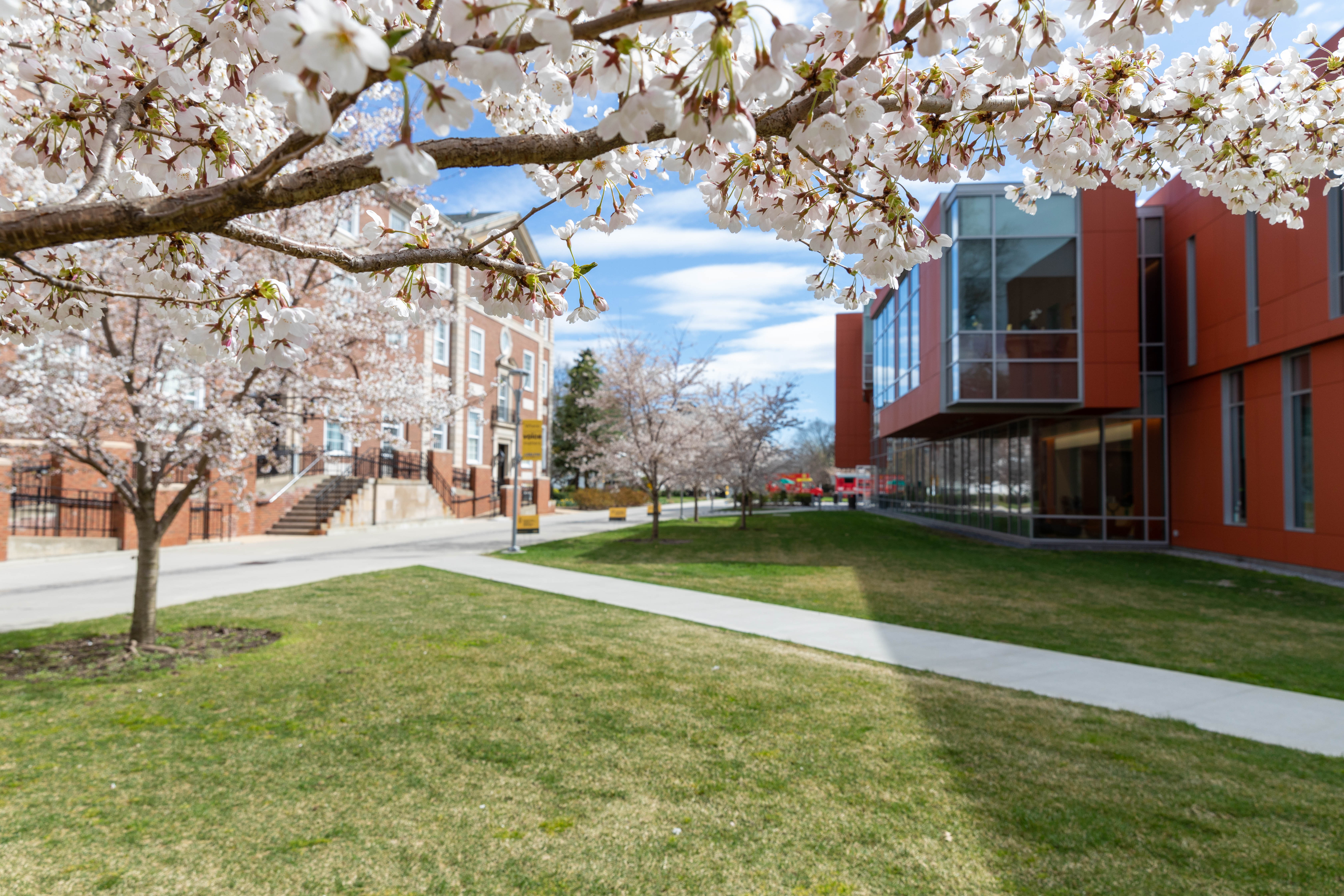
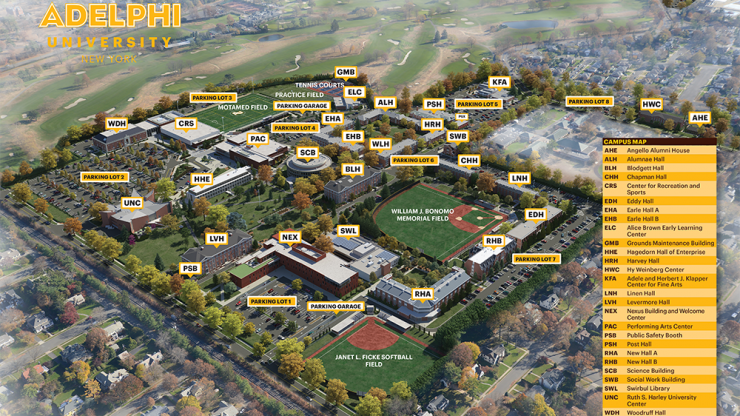
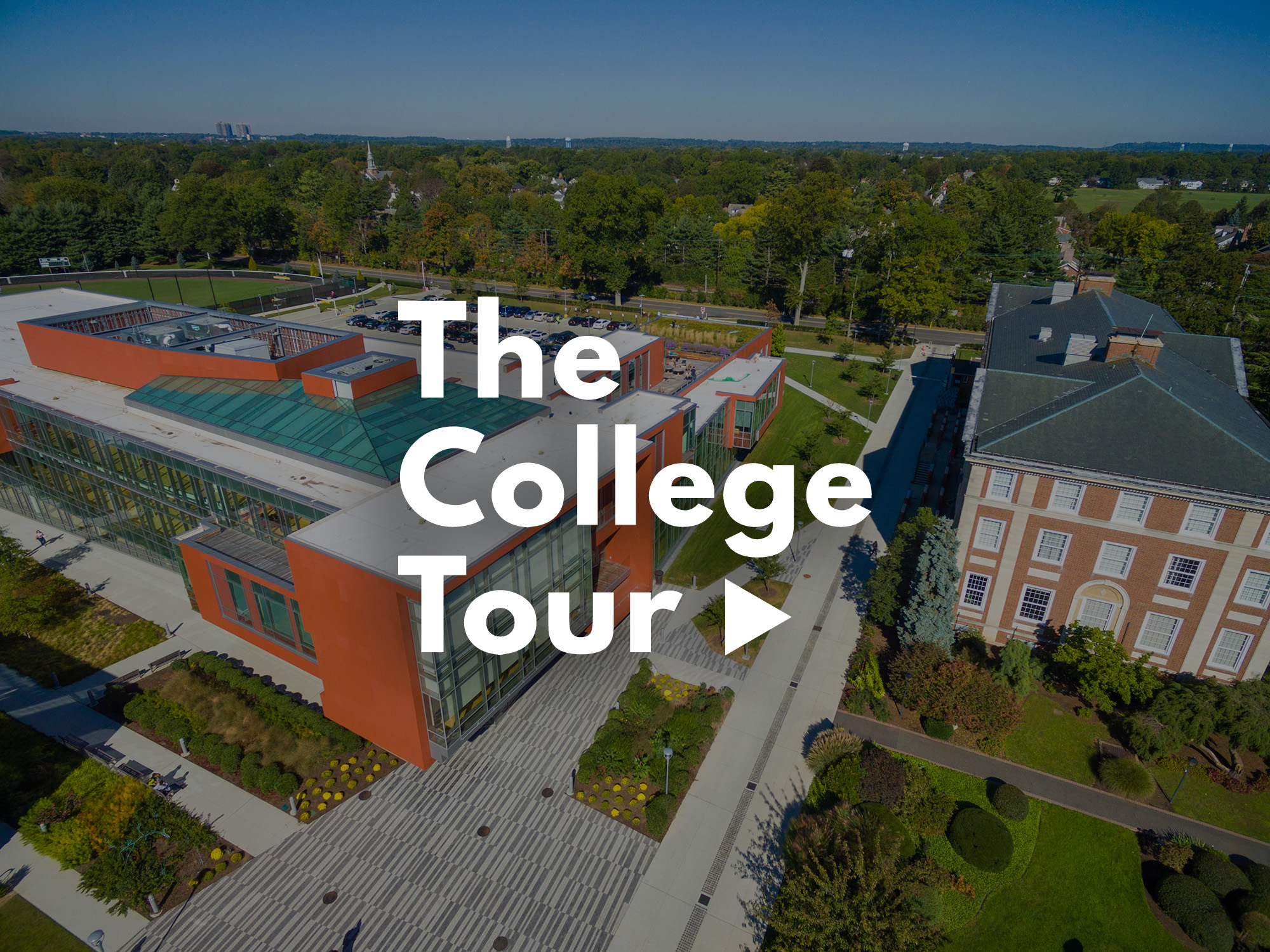
Life at Adelphi offers a traditional, self-contained suburban campus experience, though with a significant commuter population. Only about 20% of students live in college-owned, -operated, or -affiliated housing, meaning 80% live off-campus. The campus itself is described as 'well-maintained, with plenty of green space and updated facilities.' Student life is active and structured, with the university striving 'to provide the best campus life for students—from residence halls and dining options, to our many multicultural clubs and diverse activities.' There is a clear emphasis on community-building; the Adelphi community is promoted as 'a welcoming one for different cultures, ages, ethnicities, genders and abilities.' Students can explore 'a wide range of professional opportunities and experience an exciting student lifestyle' through numerous clubs and organizations. The location in Garden City provides a quiet, collegiate setting that is still connected to New York City via the Long Island Rail Road, allowing for internships and entertainment in Manhattan while returning to a more residential, campus-focused environment.
Adelphi's outcomes narrative is one of strong return on investment, particularly for its flagship programs. The graduation rate is 67%. The most compelling data point is post-graduate earnings: the median income for graduates ten years after starting at Adelphi is $75,482, which a university news release notes is '29 percent above the national average of $53,727 for other four-year' institutions. Other sources cite a median salary of $63,688 six years after graduation. This earnings premium, especially pronounced for nursing and business graduates, is a central part of Adelphi's value proposition. It suggests that the career-focused education and the university's network in the New York region effectively translate degrees into above-average financial outcomes.
As a private university, Adelphi's sticker price is high, with a total listed at $78,745. However, the institution is aggressive with financial aid to improve accessibility. A remarkable 95% of full-time beginning undergraduates receive grant or scholarship aid. The average after aid—what families actually pay—is $30,783. The average financial aid package is reported to be $40,711. Adelphi offers need-based grants that do not have to be repaid to full-time undergraduates who demonstrate financial need. It's important to note that while Adelphi meets financial need for many students, the available sources do not indicate it has a universal 'no-loan' policy where loans are eliminated for all students below a certain income threshold. The financial aid strategy is one of high participation and significant discounting to make the private education attainable.
Adelphi University stands out for its specific, successful niche. It is not trying to be an ultra-selective liberal arts college or a giant research university. Instead, it delivers a high-touch, supportive private education with a laser focus on practical outcomes, particularly in healthcare. Its identity is built on three pillars: accessibility (a high and policy), personalization (small classes and a culture of faculty attention), and return on investment (strong graduation rates and notably high median earnings for graduates). The campus provides a classic, green college setting just outside New York City, offering a balanced experience. For students—especially those aiming for nursing, health sciences, business, or psychology—Adelphi represents a direct, proven pipeline to stable, well-compensated careers in the robust New York market, all within a community that prioritizes knowing its students by name. It’s a pragmatic choice that consistently delivers on its promise of upward mobility.
Adelphi University seal · sourceGarden City Campus | Adelphi University · sourceCampus Map | Brand Identity | Adelphi University · sourceThe College Tour at Adelphi University · source