Loading…
← All schools
Advanced Barber College and Hair Design
Weslaco, TXprivate forprofitabcrgv.com/
Avg net price
$38,486
Earnings (10 yr)
$18,519
Acceptance & SAT from Common Data Set / IPEDS; net price, earnings & graduation from the U.S. Dept. of Education College Scorecard. Figures lag ~1–2 years — verify with the school.
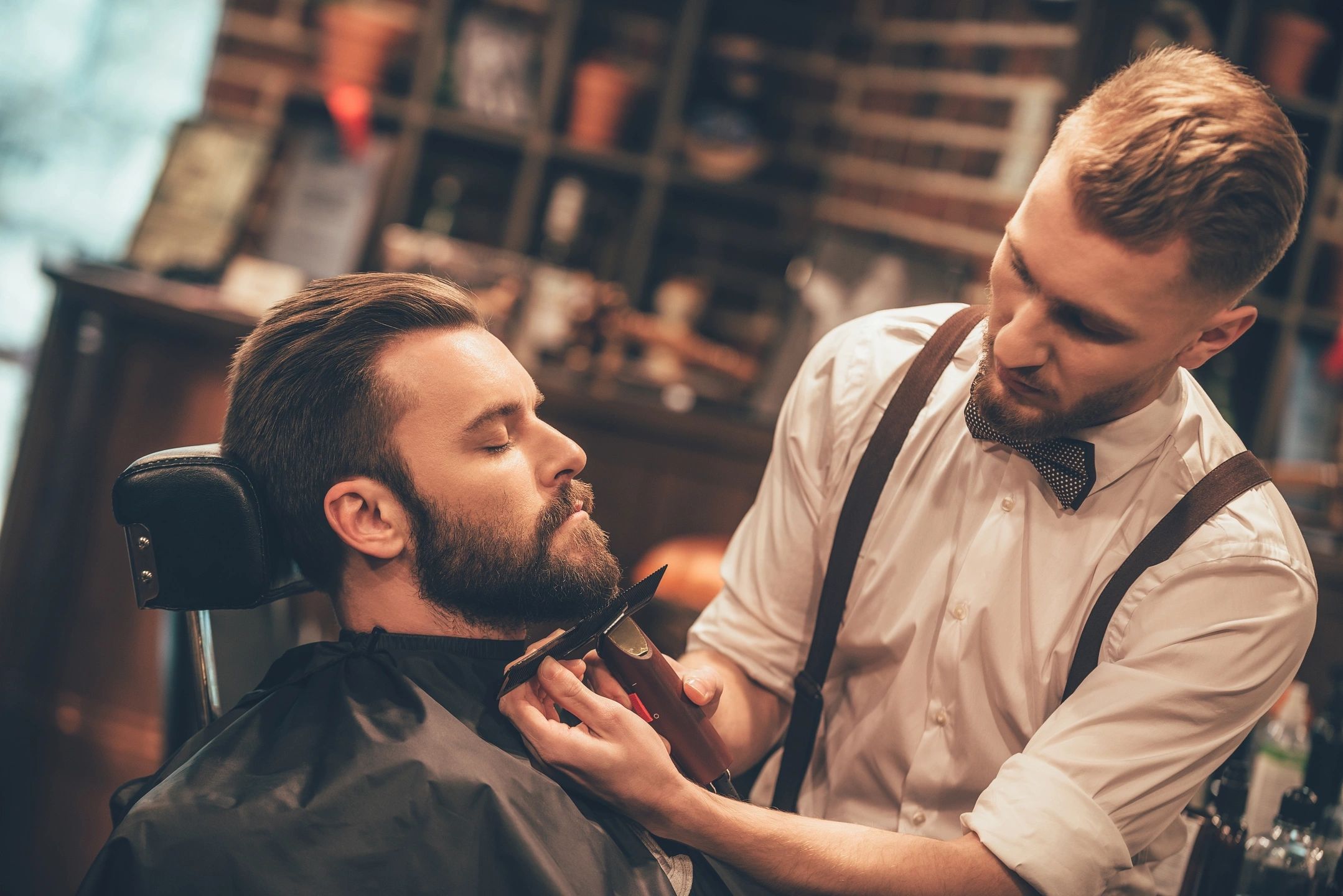
Advanced Barber College and Hair Design isn't your typical university; it's a tightly focused, no-frills trade school in Weslaco, Texas, where the mission is singular: to turn out licensed barbers and stylists ready for the workforce. With an open-admission policy and a student body that is overwhelmingly Hispanic, it serves as a direct, practical pipeline into the grooming trades for the local community. The entire experience revolves around a single, intensive 9-month barbering program, where students learn their craft by providing low-cost services to the public in an on-site clinic.
More details
- Undergrad enrollment
- 91
- Graduation Rate
- 60%
- Primary Program
- Barbering/Barber (1000 hours)
- Program Duration
- ~9 months
- Total Program Cost
- $11,675
- Student Demographics
- 95.6% Hispanic or Latino
- Median Earnings (10yr)
- $18,519
- Federal Grant Aid (Avg.)
- $6,031 per year
Outcomes & value
Outcomes & value
- Median earnings (10 yr)
- $18,519
- Value (earnings ÷ net price)
- 0.5×
- Pell (lower-income) share
- 77%
- First-gen share (among federal-aid recipients)
- 71%
Earnings = median of students working ~10 years after entry; debt = median of graduates. Value divides 10-yr earnings by one year’s net price — read it as earnings per dollar of annual cost, not a full lifetime ROI; it favors lower-cost schools. Source: U.S. Dept. of Education College Scorecard. Figures lag ~2 years and reflect all students, not your intended major.
Financial health
2.5 / 3.0Meets the federal financial-responsibility standard
U.S. Dept. of Education Financial Responsibility Composite Score (FY2022-23). Scale −1.0 to 3.0; ≥1.5 meets the standard. Reported for private nonprofit & for-profit institutions only — public universities are state-backed and not scored, so this is a stability signal, not a ranking.
Campus & location
Campus safety
- On-campus violent crimes (2024)
- 0
On-campus criminal offenses classed as violent (murder/non-negligent manslaughter, rape, robbery, aggravated assault) for the most recent reported year. Source: U.S. Dept. of Education Campus Safety and Security (Clery Act). Counts reflect what’s reported to the school, and urban campuses often report more partly due to non-student incidents nearby — read alongside campus size and setting, not as a standalone safety verdict.
Climate
- Pleasant days / yr
- 107
- Summer high
- 96°F
- Winter low
- 56°F
- Annual rain
- 23.2"
- Natural-hazard risk
- Relatively High
Pleasant days counts days per year with a mean temperature of 55–75°F, a high at or below 90°F, a low at or above 45°F, and little precipitation — a transparent comfort measure, not a weighting we invented. Computed from Open-Meteo ERA5 daily history (2019–2023). Natural-hazard risk is the county’s composite rating from the FEMA National Risk Index.
Deep dive — research, future-scholar output & economic mobility
Research output
- Institutional h-index
- 51
- Scholarly works
- 347
Institutional research volume and impact from OpenAlex. The h-index reflects large research universities and will be low for teaching-focused liberal-arts colleges — not a measure of undergraduate quality.
Quick answers
- How much does Advanced Barber College and Hair Design cost?
- At Advanced Barber College and Hair Design, the average net price (after aid) is about $38,486 per year. Actual cost varies with financial aid and residency.
- How many undergraduates attend Advanced Barber College and Hair Design?
- Advanced Barber College and Hair Design enrolls approximately 91 undergraduate students.
- Where is Advanced Barber College and Hair Design located?
- Advanced Barber College and Hair Design is located in Weslaco, TX.
Admissions
Admissions at Advanced Barber College is refreshingly straightforward and barrier-free. The school operates on an open admission policy, meaning all applicants who meet the basic requirements are accepted. The primary gatekeepers are age and educational background: you must be at least 16 years old and possess either a high school diploma, GED, or a qualifying school transcript. Standardized test scores like the SAT or ACT are not part of the consideration. This accessible approach results in a reported of 100%. The enrolled student population reflects the demographics of the Rio Grande Valley, with 95.6% identifying as Hispanic or Latino and 1.1% as White.
Academics
The academic offering here is a study in pure focus. The college offers exactly one program: Barbering/Barber. There are no general education requirements, no electives in philosophy, and no minors. The curriculum is a 1,000-hour barber course designed specifically to prepare students for the Texas Barber Licensing exams. The program is typically completed in about nine months. Beyond the core barbering track, the school also mentions offerings in styling and nail technology. The practical heart of the academic experience is the student-run clinic, where trainees hone their skills on real clients at deeply discounted prices—think $4 for a regular tapered haircut or $10 for a fade—under the supervision of instructors.
Compare Advanced Barber College and Hair Design
vs United States Coast Guard Academyvs Hillsdale Collegevs Florida Polytechnic Universityvs Livingstone College
See colleges similar to Advanced Barber College and Hair Design →Sources
- Admission
- Advanced Barber College and Hair Design
- Advanced Barber College and Hair Design
- Advanced Barber College and Hair Design (Weslaco, TX)
- Advanced Barber College and Hair Design (off-campus)
- Advanced Barber College & Hair Design
- Advanced Barber College and Hair Design
- Net Price Calculator for Advanced Barber College and Hair Design
- Barber College - Advanced Barber College & Hair Design, INc.
- Advanced Barber College & Hair Design Inc | Weslaco TX