Loading…
← All schools
AdventHealth University
Orlando, FLprivate nonprofitwww.ahu.edu/
Avg net price
$30,135
Earnings (10 yr)
$72,282
Graduation rate
39%
Admit rate has ranged 34%–91% over the last 4 years — notably volatile. Source: IPEDS via Urban Institute.
Acceptance & SAT from Common Data Set / IPEDS; net price, earnings & graduation from the U.S. Dept. of Education College Scorecard. Figures lag ~1–2 years — verify with the school.
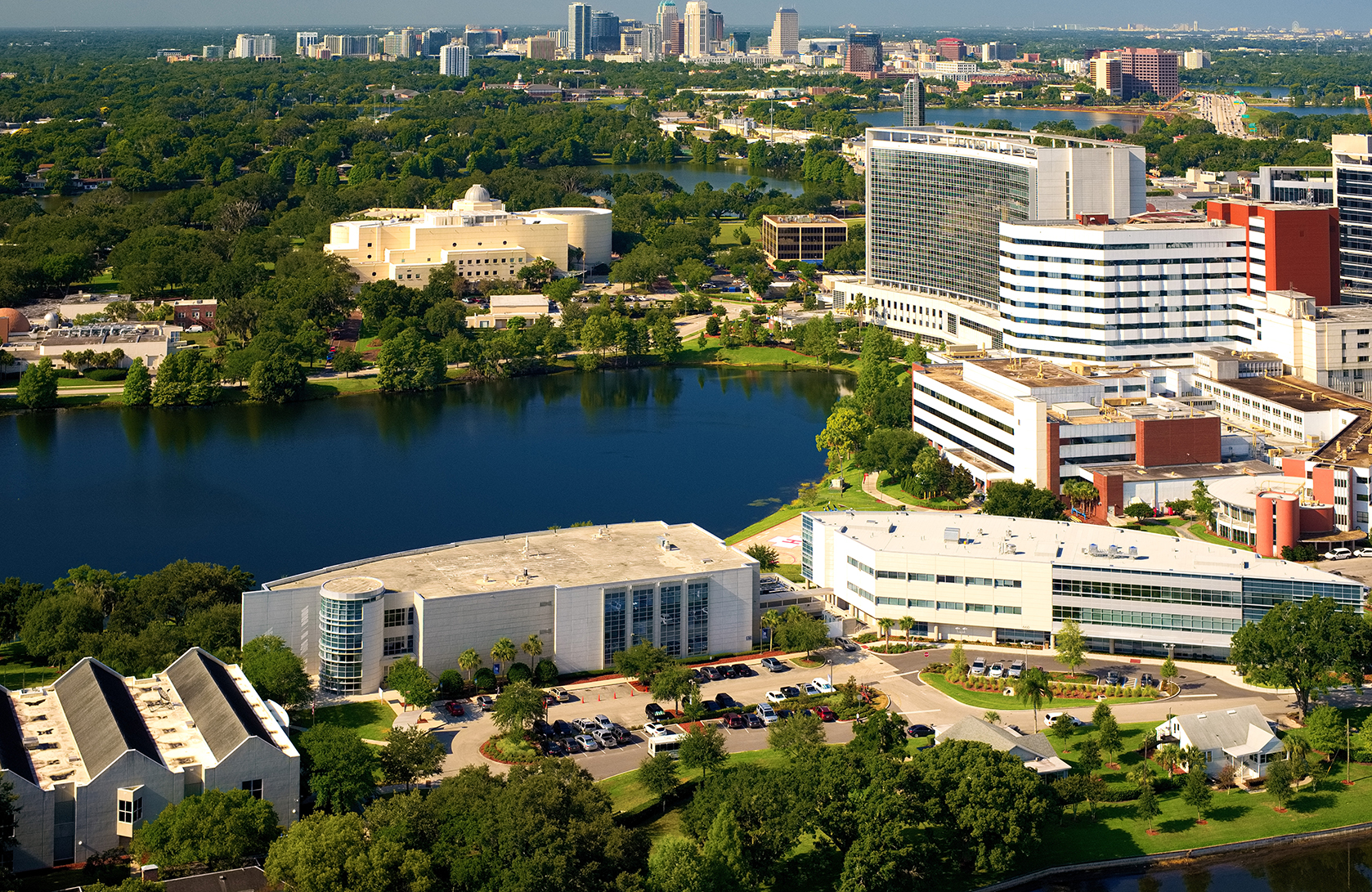
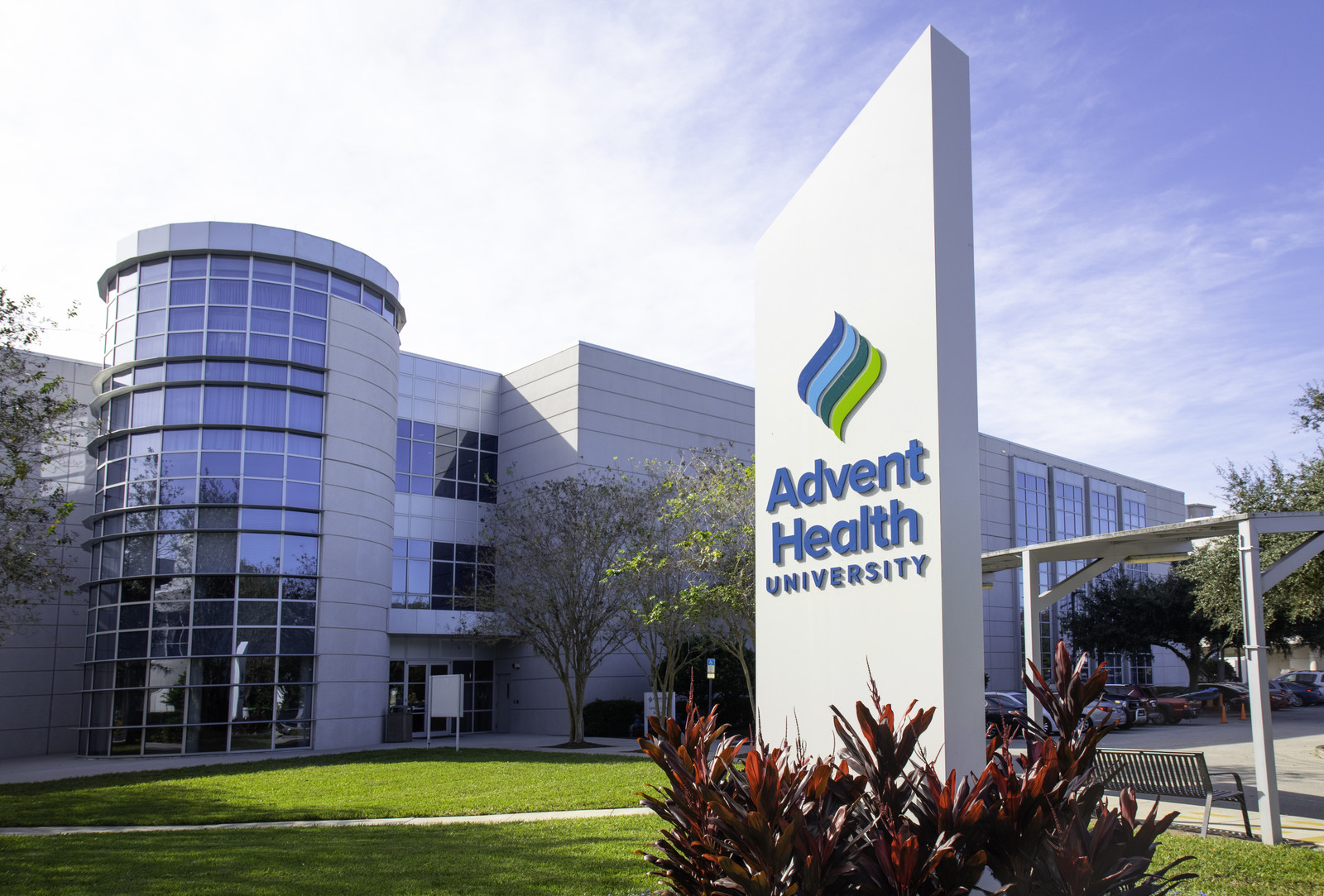
AdventHealth University is a highly specialized, faith-based health sciences institution in Orlando that operates more like a professional training ground than a traditional liberal arts college. Its identity is inextricably linked to the massive AdventHealth hospital system, offering a hyper-focused curriculum in nursing, imaging sciences, and allied health fields within a supportive, spiritually-infused environment. The student body is overwhelmingly female and remarkably diverse, drawn by a direct pipeline to clinical careers and a mission that integrates whole-person care.
Admission requirements
Test-blind — scores not considered
Required
- High school transcript
- Grade point average
- TOEFL (non-native English)
Source: IPEDS Admissions survey (2022) via Urban Institute. Covers formal factors only — it does not reflect essays, extracurriculars, or other holistic criteria.
More details
- Undergrad enrollment
- 1,361
- In-state tuition
- $21,420
- Out-of-state tuition
- $21,420
- Graduation Rate
- 39%
- Gender Distribution
- 82.7% Female, 17.3% Male
- Student-Faculty Ratio
- 6:1
- Median Earnings (10yr)
- $72,282
- Black Student Population
- 31%
- Hispanic Student Population
- 32.7%
- Regular Application Deadline
- July 1
Outcomes & value
Outcomes & value
- Median earnings (10 yr)
- $72,282
- Value (earnings ÷ net price)
- 2.4×
- Median debt at graduation
- $24,590
- Graduation rate
- 39%
- First-year retention
- 64%
- Reducing loan balance (3 yr)
- 57%
- Pell (lower-income) share
- 37%
- First-gen share (among federal-aid recipients)
- 39%
Top-earning majors
Median earnings by field of study (highest credential), ~2 years after completion.
- Allied Health Diagnostic, Intervention, and Treatment Professions$68,539
- Registered Nursing, Nursing Administration, Nursing Research and Clinical Nursing$62,167
- Health Services/Allied Health/Health Sciences, General$27,181
- Biology, General$17,375
Source: U.S. Dept. of Education College Scorecard (field-of-study earnings). Figures cover graduates who received federal aid and lag ~2 years; not all programs report data.
Compare on earnings: best colleges for Nursing · best colleges for Biology
Campus & location
Campus safety
- On-campus violent crimes (2024)
- 0
- Per 1,000 students
- 0.00
On-campus criminal offenses classed as violent (murder/non-negligent manslaughter, rape, robbery, aggravated assault) for the most recent reported year. Source: U.S. Dept. of Education Campus Safety and Security (Clery Act). Counts reflect what’s reported to the school, and urban campuses often report more partly due to non-student incidents nearby — read alongside campus size and setting, not as a standalone safety verdict.
Climate
- Pleasant days / yr
- 131
- Summer high
- 89°F
- Winter low
- 55°F
- Annual rain
- 70.7"
- Natural-hazard risk
- Relatively High
Pleasant days counts days per year with a mean temperature of 55–75°F, a high at or below 90°F, a low at or above 45°F, and little precipitation — a transparent comfort measure, not a weighting we invented. Computed from Open-Meteo ERA5 daily history (2019–2023). Natural-hazard risk is the county’s composite rating from the FEMA National Risk Index.
Quick answers
- How much does AdventHealth University cost?
- At AdventHealth University, the average net price (after aid) is about $30,135 per year. Actual cost varies with financial aid and residency.
- How many undergraduates attend AdventHealth University?
- AdventHealth University enrolls approximately 1,361 undergraduate students.
- Where is AdventHealth University located?
- AdventHealth University is located in Orlando, FL.
Admissions
Admissions at AdventHealth University are selective, with reported between 22.5% and 34%, indicating a competitive process for its specialized health sciences seats. The university is , explicitly not requiring ACT or SAT scores for admission. Academic preparedness is the clear priority, with a firm minimum unweighted GPA requirement of 2.70 on a 4.00 scale. Among admitted students, a significant portion present strong academic records: 16% have a GPA of 3.75 or higher, 19% fall between 3.50–3.74, and another 19% are in the 3.25–3.49 range. The regular application deadline is July 1, with a $20 application fee. The process appears straightforward and academically focused, with no mention of early decision or early action plans in the provided sources.
Compare AdventHealth University
vs Emory University-Oxford Collegevs Jacksonville Universityvs Hampden-Sydney Collegevs Queens University of Charlotte
See colleges similar to AdventHealth University →Sources
- Common Data Set 2025-2026
- Common Data Set
- Common Data Set: Home
- Common Data Set 2021-2022
- Common Data Set 2025-2026 - Institutional Data @ Lehigh
- Common Data Set 2023-2024
- AdventHealth University Admissions - BigFuture College Search
- AdventHealth University SAT Scores and GPA
- AdventHealth University Tuition, Acceptance Rate, & Academics
- Undergraduate Student Admissions