Loading…
← All schools
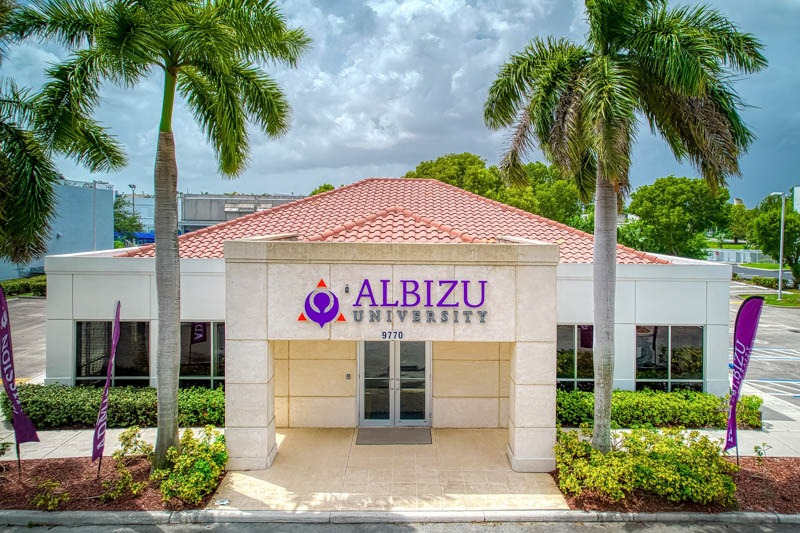
Albizu University-Miami
Miami, FLprivate nonprofitalbizu.edu
Acceptance
76%
Avg net price
$19,849
Earnings (10 yr)
$41,544
Graduation rate
40%
Admit rate has ranged 56%–100% over the last 5 years — notably volatile. Source: IPEDS via Urban Institute.
Acceptance & SAT from Common Data Set / IPEDS; net price, earnings & graduation from the U.S. Dept. of Education College Scorecard. Figures lag ~1–2 years — verify with the school.
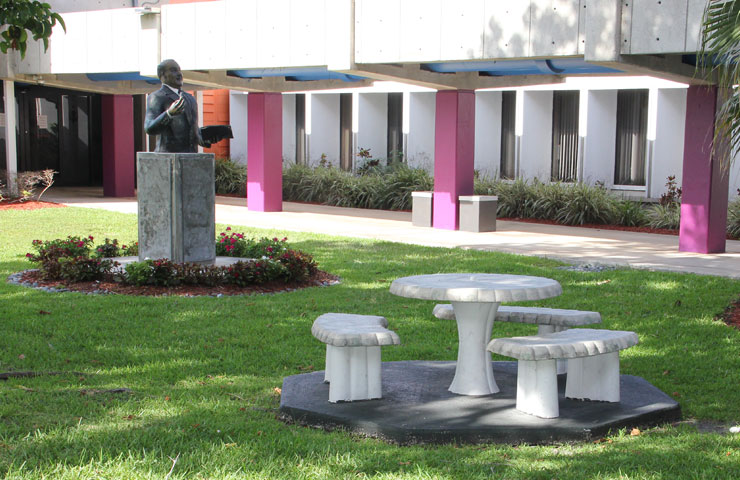
Albizu University-Miami is a small, specialized institution with a laser focus on psychology, counseling, and human services—think of it as a training ground for future therapists and social workers in one of America's most culturally dynamic cities. With acceptance rates ranging from 76% to 100% depending on the source, it's accessible but demands rigor in its clinically oriented programs. The vibe is intimate (13:1 student-faculty ratio) and pragmatic, with graduates often entering the workforce quickly—though early-career salaries lag slightly behind national averages for the field.
Admission requirements
Test-blind — scores not considered
Required
- High school transcript
- Grade point average
- Letters of recommendation
- Demonstrated competencies
Source: IPEDS Admissions survey (2022) via Urban Institute. Covers formal factors only — it does not reflect essays, extracurriculars, or other holistic criteria.
More details
- Undergrad enrollment
- 287
- In-state tuition
- $13,818
- Out-of-state tuition
- $13,818
- Location
- Doral, FL (Miami metro)
- Top Program
- Clinical/Counseling Psychology
- Student-Faculty Ratio
- 13:1
- 6-Year Graduation Rate
- 40-60%
- Average Early-Career Salary
- $30,000-$32,168
Outcomes & value
Outcomes & value
- Median earnings (10 yr)
- $41,544
- Value (earnings ÷ net price)
- 2.1×
- Median debt at graduation
- $5,500
- Graduation rate
- 40%
- First-year retention
- 83%
- Reducing loan balance (3 yr)
- 45%
- Pell (lower-income) share
- 66%
- First-gen share (among federal-aid recipients)
- 25%
Campus & location
Campus safety
- On-campus violent crimes (2024)
- 0
- Per 1,000 students
- 0.00
On-campus criminal offenses classed as violent (murder/non-negligent manslaughter, rape, robbery, aggravated assault) for the most recent reported year. Source: U.S. Dept. of Education Campus Safety and Security (Clery Act). Counts reflect what’s reported to the school, and urban campuses often report more partly due to non-student incidents nearby — read alongside campus size and setting, not as a standalone safety verdict.
Climate
- Pleasant days / yr
- 104
- Summer high
- 88°F
- Winter low
- 63°F
- Annual rain
- 70.6"
- Natural-hazard risk
- Very High
Pleasant days counts days per year with a mean temperature of 55–75°F, a high at or below 90°F, a low at or above 45°F, and little precipitation — a transparent comfort measure, not a weighting we invented. Computed from Open-Meteo ERA5 daily history (2019–2023). Natural-hazard risk is the county’s composite rating from the FEMA National Risk Index.
Quick answers
- What is the acceptance rate at Albizu University-Miami?
- Albizu University-Miami's acceptance rate is approximately 76% (Miami, FL), based on the most recent figures we compiled from public and primary sources.
- How much does Albizu University-Miami cost?
- At Albizu University-Miami, the average net price (after aid) is about $19,849 per year. Actual cost varies with financial aid and residency.
- How many undergraduates attend Albizu University-Miami?
- Albizu University-Miami enrolls approximately 287 undergraduate students.
- Where is Albizu University-Miami located?
- Albizu University-Miami is located in Miami, FL.
Admissions
Albizu University-Miami's admissions process is notably accessible, with reported varying widely across sources—from 76% (Niche, US News) to 100% (College Board, PrepScholar). The university appears to operate with an open-admission or near-open-admission policy for many applicants, particularly in its undergraduate programs. SAT/ACT scores are optional, aligning with its mission to prioritize practical training over standardized metrics. The student body skews heavily female (78% acceptance rate for female applicants per Peterson's), reflecting the demographics of its psychology and counseling-focused programs.
Academics
This is where Albizu-Miami shines—its academic identity is tightly focused on applied psychology and human services. The Miami campus offers bachelor's through doctoral programs, with clinical psychology as its flagship discipline (the school's Instagram showcases students in lab coats and counseling simulations). The 13:1 student-faculty ratio suggests close mentorship opportunities, critical for clinical training. Online programs exist but emphasize 'real-world relevance'—likely a nod to the university's pragmatic approach. Notably, the curriculum seems designed for immediate workforce entry rather than theoretical exploration; you won't find liberal arts breadth here.
Compare Albizu University-Miami
See colleges similar to Albizu University-Miami →Sources
- Common Data Set - Institutional Research and Strategic Analytics
- Common Data Set | Institutional Data | STAIR - Miami University
- Common Data Set: Home
- [PDF] Common Data Set 202
- Common Data Set: Your Key to Smarter College Decisions - nextfour
- [PDF] 2023-2024 Common Data Set Template
- Albizu University - Miami - Niche
- Carlos Albizu University - BigFuture College Search
- Albizu University - Tuition and Acceptance Rate - Peterson's
- Albizu University--Miami Admissions - US News Best Colleges