Admit rate has ranged 22%–44% over the last 5 years — notably volatile. Source: IPEDS via Urban Institute.
Acceptance & SAT from Common Data Set / IPEDS; net price, earnings & graduation from the U.S. Dept. of Education College Scorecard. Figures lag ~1–2 years — verify with the school.
The American Musical and Dramatic Academy (AMDA) is a fiercely focused conservatory in the heart of New York City, built for one purpose: to launch professional performers. Its identity is inseparable from its location, turning the theaters and studios of Manhattan into an extended campus. While its admissions process is selective, the school's culture is defined by an intense, practical immersion in acting, musical theatre, and dance, backed by a significant institutional investment in student scholarships.
Admission requirements
Test-optional — scores considered if submitted
Required
High school transcript
Grade point average
Letters of recommendation
Demonstrated competencies
TOEFL (non-native English)
Considered (not required)
Test scores (SAT/ACT)
College-prep program
Source: IPEDS Admissions survey (2022) via Urban Institute. Covers formal factors only — it does not reflect essays, extracurriculars, or other holistic criteria.
More details
Undergrad enrollment
1,438
In-state tuition
$46,928
Out-of-state tuition
$46,928
Top Majors
Drama & Theatre Production, Acting, Dance
Application Fee
None
Graduation Rate
72%
First-Year Retention
83%
Median Earnings (10yr)
$26,975
Students Receiving Grant Aid
90-100%
Racially/Ethnically Diverse Student Body
42%
Outcomes & value
Outcomes & value
Median earnings (10 yr)
$26,975
Value (earnings ÷ net price)
0.7×
Median debt at graduation
$15,250
Graduation rate
72%
First-year retention
83%
Reducing loan balance (3 yr)
43%
Pell (lower-income) share
33%
First-gen share (among federal-aid recipients)
25%
Financial health
1.9 / 3.0Meets the federal financial-responsibility standard
U.S. Dept. of Education Financial Responsibility Composite Score (FY2022-23). Scale −1.0 to 3.0; ≥1.5 meets the standard. Reported for private nonprofit & for-profit institutions only — public universities are state-backed and not scored, so this is a stability signal, not a ranking.
Top-earning majors
Median earnings by field of study (highest credential), ~2 years after completion.
Drama/Theatre Arts and Stagecraft$16,437
Source: U.S. Dept. of Education College Scorecard (field-of-study earnings). Figures cover graduates who received federal aid and lag ~2 years; not all programs report data.
Campus & location
Campus safety
On-campus violent crimes (2024)
2
Per 1,000 students
1.38
On-campus criminal offenses classed as violent (murder/non-negligent manslaughter, rape, robbery, aggravated assault) for the most recent reported year. Source: U.S. Dept. of Education Campus Safety and Security (Clery Act). Counts reflect what’s reported to the school, and urban campuses often report more partly due to non-student incidents nearby — read alongside campus size and setting, not as a standalone safety verdict.
Climate
Pleasant days / yr
90
Summer high
83°F
Winter low
29°F
Annual rain
54.3"
Annual snow
19.2"
Natural-hazard risk
Relatively High
Pleasant days counts days per year with a mean temperature of 55–75°F, a high at or below 90°F, a low at or above 45°F, and little precipitation — a transparent comfort measure, not a weighting we invented. Computed from Open-Meteo ERA5 daily history (2019–2023). Natural-hazard risk is the county’s composite rating from the FEMA National Risk Index.
Deep dive — research, future-scholar output & economic mobility▾
Research output
Institutional h-index
0
Scholarly works
0
Institutional research volume and impact from OpenAlex. The h-index reflects large research universities and will be low for teaching-focused liberal-arts colleges — not a measure of undergraduate quality.
Economic mobility
Mobility rate
0.7%
Bottom → top quintile
10%
From bottom quintile
7%
Mobility rate = the share of students who both start in the bottom household-income quintile and reach the top quintile; bottom → top is that chance conditional on starting at the bottom. Source: Opportunity Insights Mobility Report Cards (Chetty, Friedman, Saez, Turner & Yagan). Reflects 1980–82 birth cohorts, so it’s directional, not current.
Quick answers
What is the acceptance rate at American Musical and Dramatic Academy?
American Musical and Dramatic Academy's acceptance rate is approximately 24% (New York, NY), based on the most recent figures we compiled from public and primary sources.
How much does American Musical and Dramatic Academy cost?
At American Musical and Dramatic Academy, the average net price (after aid) is about $41,416 per year. Actual cost varies with financial aid and residency.
How many undergraduates attend American Musical and Dramatic Academy?
American Musical and Dramatic Academy enrolls approximately 1,438 undergraduate students.
Where is American Musical and Dramatic Academy located?
American Musical and Dramatic Academy is located in New York, NY.
Admissions
AMDA's admissions process is selective, with an hovering around the mid-20s, though it operates on a rolling basis across three terms. The school reports receiving thousands of applications—sources cite figures between 6,213 and 6,728—for a relatively small number of spots. The minimum academic requirement is a 2.0 GPA, but the primary evaluation is an audition; the process is designed to assess raw talent and potential for a conservatory-style training program. Notably, the rate—the percentage of admitted students who enroll—is reported at 27.38%, indicating that many accepted students choose other options. The application is fee-free, and while the framework suggests special consideration is given to talent/ability in music/drama for admissions decisions, AMDA's own published materials emphasize the audition as the central component.
Selectivity: Acceptance rates from sources range from 24% to 25.5%, aligning with the canonical figure of 24%.
Process: Rolling admissions with a 2.0 minimum GPA requirement. The audition is the critical component.
Volume: Application numbers are consistently reported in the mid-six-thousands.
Yield: The enrollment rate from admitted students is 27.38%.
Earnings = median of students working ~10 years after entry; debt = median of graduates. Value divides 10-yr earnings by one year’s net price — read it as earnings per dollar of annual cost, not a full lifetime ROI; it favors lower-cost schools. Source: U.S. Dept. of Education College Scorecard. Figures lag ~2 years and reflect all students, not your intended major.
AMDA is a pure-play performing arts conservatory. Its curriculum is not a liberal arts education with a theatre minor; it is a total immersion in craft. The most popular majors are overwhelmingly in performance: Drama and Theatre Production, Acting, and Dance. The school offers a range of credential options, including Bachelor of Fine Arts (BFA) and Bachelor of Arts (BA) degrees, Associate of Occupational Studies degrees, and conservatory certificates, allowing students to choose the intensity and duration of their training. The pedagogical approach is forward-thinking and inclusive, with a musical theatre program that explicitly incorporates contemporary sounds and experimental performance. The school trades heavily on the success of its alumni, noting that graduates have won top industry awards (Tonys, Grammys, Oscars, Emmys) and that Playbill ranked AMDA #4 on its 2025 list of top theatre colleges. The education is intensely practical, treating classrooms and rehearsal studios as creative havens for collaboration and performance.
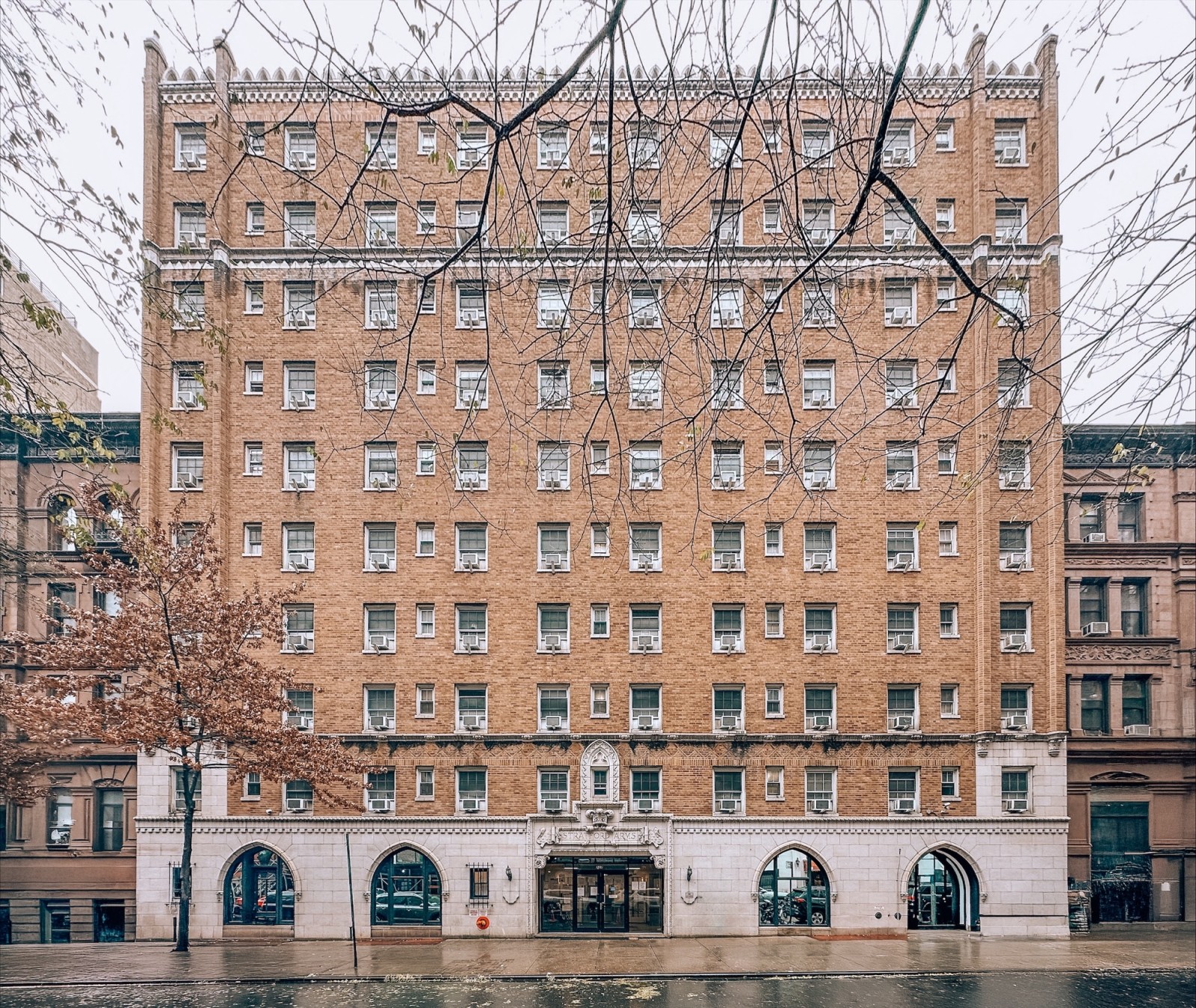
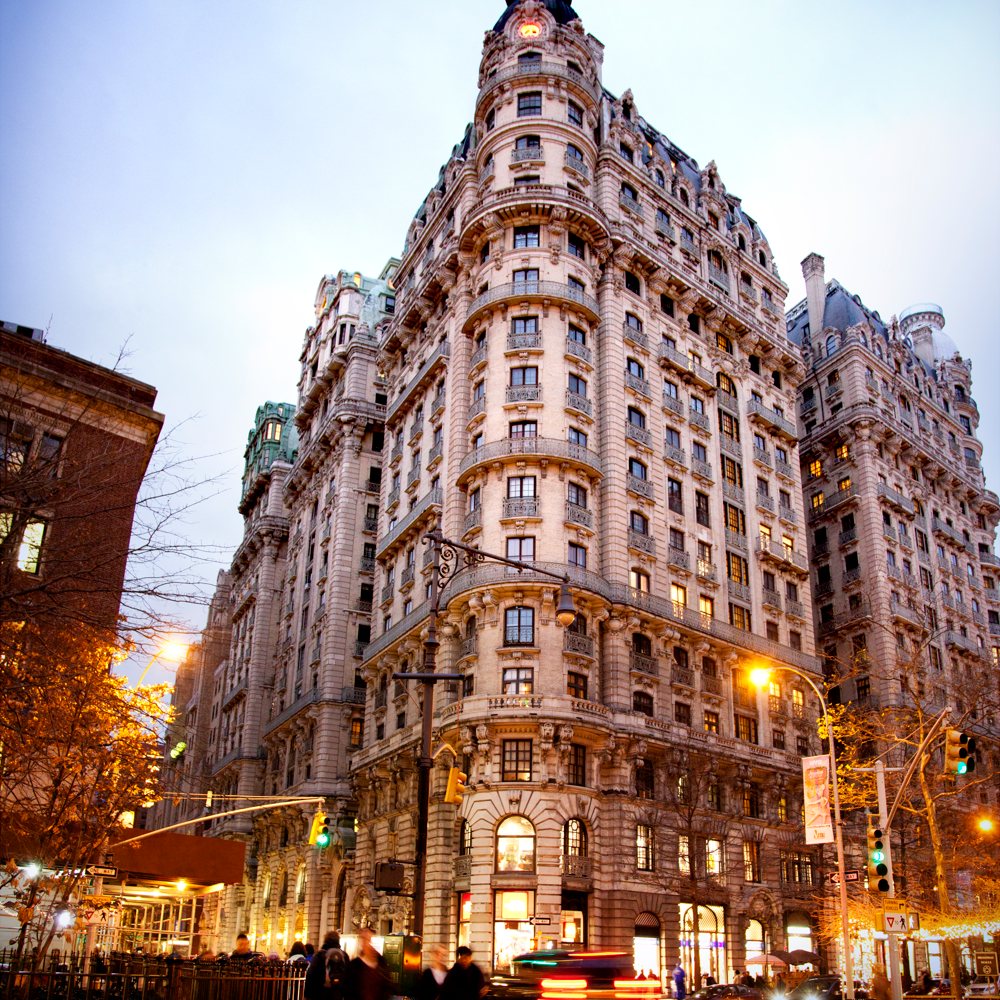
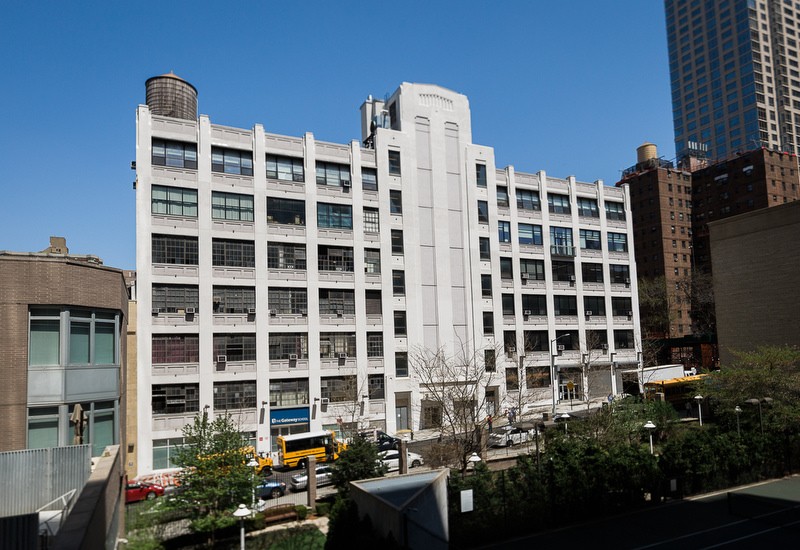
Life at AMDA's New York campus is an extension of its academic mission: all-consuming and city-centric. The campus is an urban vertical campus at 211 West 61st Street, housing classrooms, rehearsal studios, private voice rooms, and student lounges within a single building. The school describes student life as "colorful and vibrant and exciting," with the student body being notably diverse—42% of students identify as racially and ethnically diverse. The location is the ultimate amenity and teacher; students are described as "a vital part of the creative community here, and the city itself sets the scene." There is no traditional collegiate quad or football team; the student experience is built around rehearsals, masterclasses, and navigating the professional landscape of New York City. The environment is collaborative by necessity, with students constantly working together in studios that are designed as creative havens.
Outcomes for performing arts conservatories are notoriously difficult to quantify, but AMDA's data reveals a mixed picture. The six-year graduation rate is reported between 63% and 72%, with the canonical figure set at 72%. Post-graduation earnings in the arts are typically lower and more variable than in other fields; the median earnings ten years after entry are $26,975. However, the school's first-year retention rate is a strong 83%, suggesting that students who choose to stay after the first year are highly engaged. The institution's primary success metric is the professional achievement of its alumni, which it highlights through award wins and industry recognition, rather than traditional salary figures.
AMDA is an expensive proposition, with a published average after aid of $41,416. However, the school attempts to offset this high cost with aggressive institutional aid. A remarkably high percentage of students receive grant or scholarship support: figures from various sources state that 90%, 95%, 99%, or even 100% of full-time, first-year undergraduates receive some form of assistance, with the average grant amount around $19,776. The school states it awards over $14 million in scholarships each year. These are a mix of need-based and merit-based awards, with merit heavily tied to the audition. About one-third of undergraduates receive federal Pell Grants for demonstrated financial need. The school's official financial aid policy states that students may borrow up to the full minus other aid, indicating it does not have a no-loan policy for low-income students; financing an education here typically involves a significant debt burden.
AMDA stands out for its unapologetic, single-minded focus. It is not a university with a theatre department; it is a factory for professional performers, located in the industry's epicenter. This creates a specific type of student: one who is willing to forgo a traditional college experience for immediate, high-intensity immersion in their craft. The school's identity is its New York City address—the campus is a professional training facility in a skyscraper, and the city's theatres, audition rooms, and energy are integral to the curriculum. While the financial and career outcomes carry high risk, the school mitigates this with very high levels of institutional scholarship support, making the dream accessible to many, though often with substantial debt. Its reputation is built on a high-volume model (accepting more students than elite university programs) which produces a large alumni network and, consequently, more visible success stories in a fiercely competitive field. For a student certain of a performance career, it offers a direct, no-frills pipeline into the professional world.
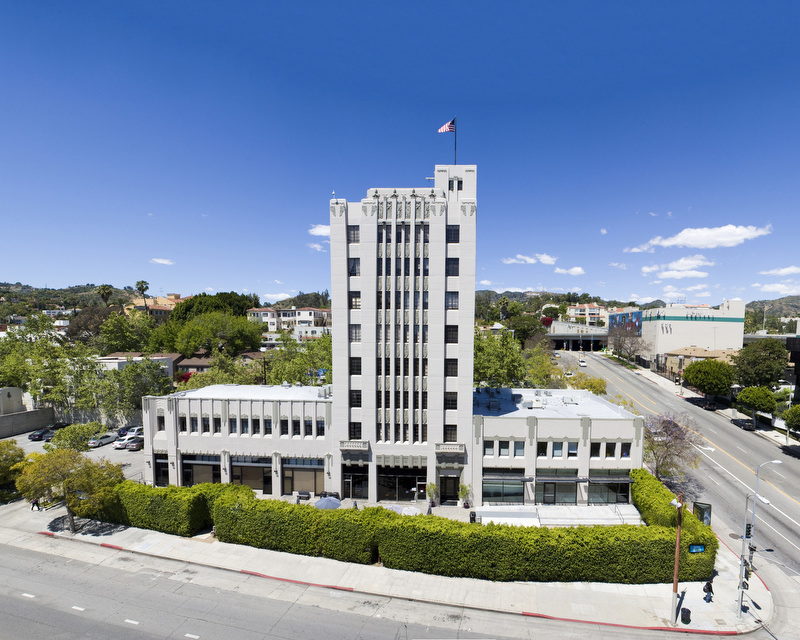
American Musical and Dramatic Academy seal · sourceAMDA | The American Musical and Dramatic Academy, New York · sourceAMDA Los Angeles Campus · sourceAMDA New York City · source