Loading…
← All schools
Arizona College of Nursing - Chesapeake
Chesapeake, VAprivate forprofitarizonacollege.edu
Acceptance
100%
Avg net price
$33,626
Earnings (10 yr)
$34,657
Acceptance & SAT from Common Data Set / IPEDS; net price, earnings & graduation from the U.S. Dept. of Education College Scorecard. Figures lag ~1–2 years — verify with the school.
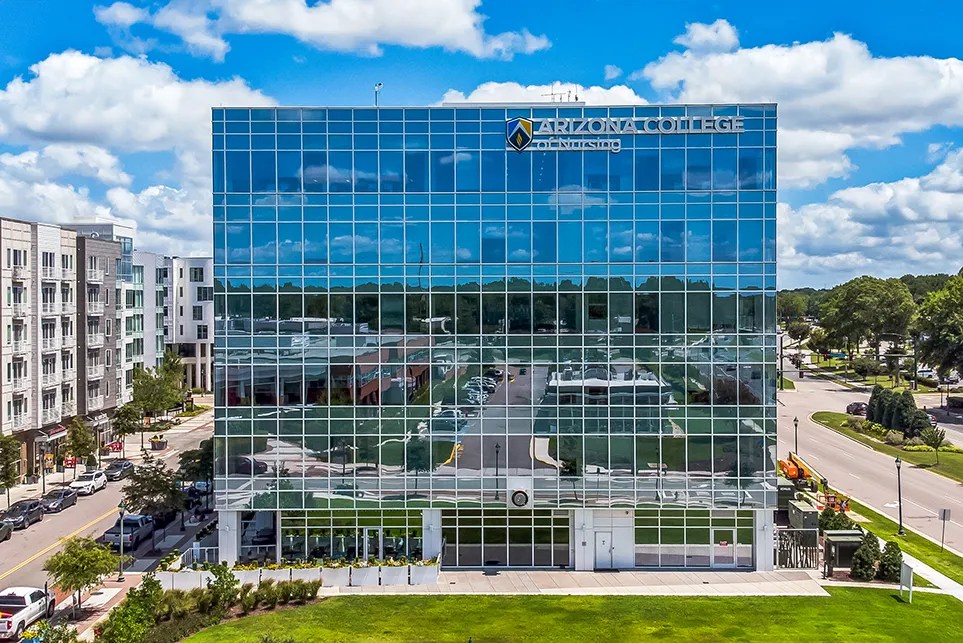
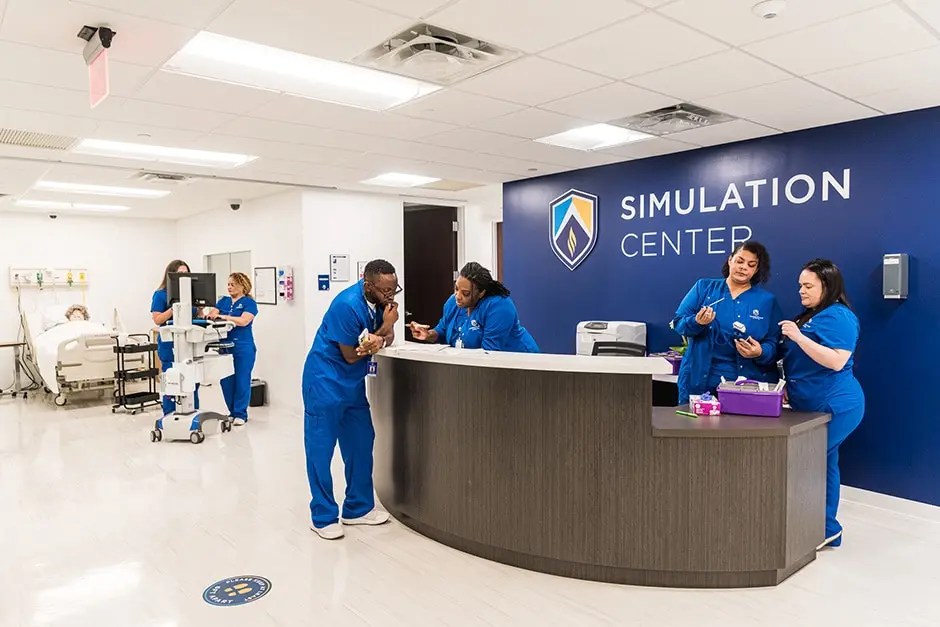
Arizona College of Nursing - Chesapeake is a single-purpose, career-focused institution that operates on a fundamentally different model than a traditional liberal arts college. It exists to funnel students as efficiently as possible into a Bachelor of Science in Nursing (BSN) degree through a fast-paced, 3-year program with classes starting every eight weeks. The environment is transactional and streamlined: admissions are open to all who meet basic requirements, the curriculum is laser-focused on clinical skills, and the campus life is minimal, reflecting its role as a professional training ground rather than a residential collegiate experience.
More details
- Undergrad enrollment
- 149
- In-state tuition
- $24,653
- Out-of-state tuition
- $24,653
- Class Starts
- Every 8 weeks
- Program Focus
- 100% BSN (3-year program)
- Average Annual Loan
- $14,459
- Median Earnings (10yr)
- $34,657
Outcomes & value
Outcomes & value
- Median earnings (10 yr)
- $34,657
- Value (earnings ÷ net price)
- 1.0×
- Median debt at graduation
- $9,500
- Reducing loan balance (3 yr)
- 30%
- Pell (lower-income) share
- 67%
- First-gen share (among federal-aid recipients)
- 54%
Earnings = median of students working ~10 years after entry; debt = median of graduates. Value divides 10-yr earnings by one year’s net price — read it as earnings per dollar of annual cost, not a full lifetime ROI; it favors lower-cost schools. Source: U.S. Dept. of Education College Scorecard. Figures lag ~2 years and reflect all students, not your intended major.
Campus & location
Climate
- Pleasant days / yr
- 108
- Summer high
- 86°F
- Winter low
- 38°F
- Annual rain
- 48.7"
- Annual snow
- 3.2"
- Natural-hazard risk
- Relatively Low
Pleasant days counts days per year with a mean temperature of 55–75°F, a high at or below 90°F, a low at or above 45°F, and little precipitation — a transparent comfort measure, not a weighting we invented. Computed from Open-Meteo ERA5 daily history (2019–2023). Natural-hazard risk is the county’s composite rating from the FEMA National Risk Index.
Quick answers
- What is the acceptance rate at Arizona College of Nursing - Chesapeake?
- Arizona College of Nursing - Chesapeake's acceptance rate is approximately 100% (Chesapeake, VA), based on the most recent figures we compiled from public and primary sources.
- How much does Arizona College of Nursing - Chesapeake cost?
- At Arizona College of Nursing - Chesapeake, the average net price (after aid) is about $33,626 per year. Actual cost varies with financial aid and residency.
- How many undergraduates attend Arizona College of Nursing - Chesapeake?
- Arizona College of Nursing - Chesapeake enrolls approximately 149 undergraduate students.
- Where is Arizona College of Nursing - Chesapeake located?
- Arizona College of Nursing - Chesapeake is located in Chesapeake, VA.
Admissions
Admissions at Arizona College of Nursing - Chesapeake is defined by accessibility and speed, not selectivity. The institution maintains a 100% , effectively operating as an open-admission gateway for its singular nursing program. Standardized tests like the SAT or ACT are not required and are not recommended for applicants. The process is designed for efficiency, with 'fast decisions' and classes starting approximately every eight weeks, six times per year, ensuring there is 'no waitlist to get in.' Of those admitted, a rate—the share who actually enroll—of 40% has been reported. The admissions factors commonly scrutinized at selective colleges, such as demonstrated interest, are not part of the calculus here; the primary gatekeepers are likely meeting baseline program requirements and securing financing.
Compare Arizona College of Nursing - Chesapeake
See colleges similar to Arizona College of Nursing - Chesapeake →Sources
- Common Data Set - University Analytics and Institutional Research
- [PDF] 2024-2025 Common Data Set - Sarah Lawrence College
- Arizona College of Nursing - Chesapeake | Data USA
- Common Data Set: Home
- Common Data Set - GradGPT
- Common Data Set: Your Key to Smarter College Decisions - nextfour
- Become an RN | FAQs at Chesapeake Nursing Program Campus
- Arizona College of Nursing - Chesapeake Admissions & Acceptance
- Arizona College of Nursing - Chesapeake - Method Learning
- Arizona College of Nursing--Las Vegas Admissions - USNews.com
- Arizona College of Nursing-Las Vegas - Sallie