Loading…
← All schools
Atlanta Technical College
Atlanta, GApublicatlantatech.edu
Avg net price
$-914
Earnings (10 yr)
$30,350
Acceptance & SAT from Common Data Set / IPEDS; net price, earnings & graduation from the U.S. Dept. of Education College Scorecard. Figures lag ~1–2 years — verify with the school.
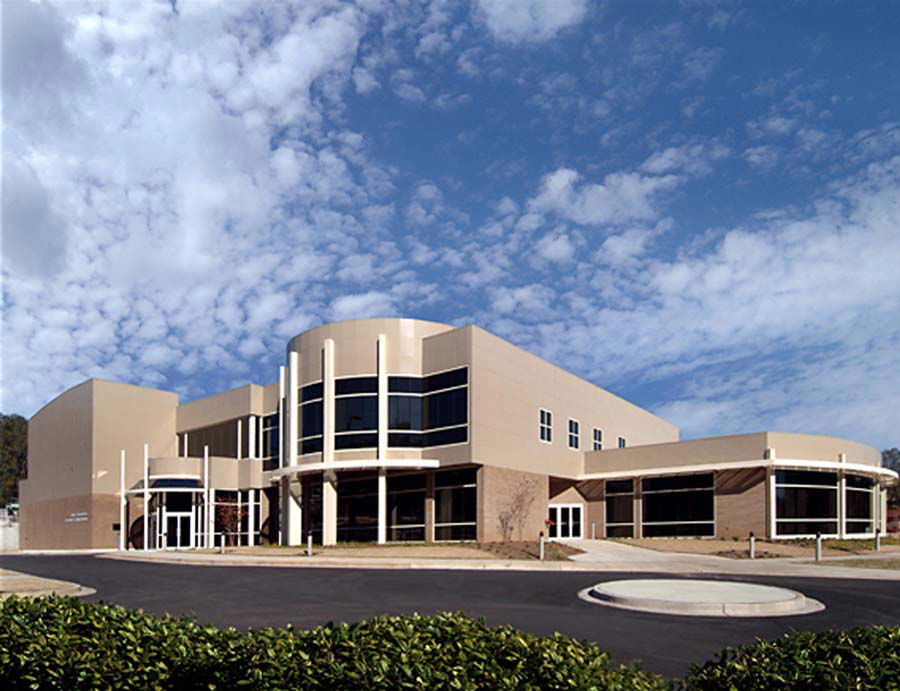
Atlanta Technical College is a no-nonsense, open-access engine of economic mobility in the heart of Georgia's capital. It operates with a singular, pragmatic mission: to connect students—often older, working, and from the surrounding urban community—directly to skilled trades and technical careers through a sprawling menu of over 130 certificates and degrees. Forget ivy-covered quads; this is a place where the buzz of a cosmetology clinic, the hum of an HVAC lab, and the focus of a dental hygiene student define the campus vibe, all underpinned by a financial aid structure that can make the net cost of attendance effectively zero for many.
More details
- Undergrad enrollment
- 3,875
- In-state tuition
- $3,382
- Out-of-state tuition
- $5,950
- No-Loan Policy
- Not specified in sources
- Graduation Rate
- 37%
- Meets Full Need
- Not specified in sources
- Early Decision Plan
- Not offered
- First-Year Retention
- Not specified in sources
- Median Earnings (10yr)
- $30,350
Outcomes & value
Outcomes & value
- Median earnings (10 yr)
- $30,350
- Median debt at graduation
- $9,500
- Reducing loan balance (3 yr)
- 17%
- Pell (lower-income) share
- 59%
- First-gen share (among federal-aid recipients)
- 48%
Earnings = median of students working ~10 years after entry; debt = median of graduates. Value divides 10-yr earnings by one year’s net price — read it as earnings per dollar of annual cost, not a full lifetime ROI; it favors lower-cost schools. Source: U.S. Dept. of Education College Scorecard. Figures lag ~2 years and reflect all students, not your intended major.
Campus & location
Campus safety
- On-campus violent crimes (2024)
- 0
On-campus criminal offenses classed as violent (murder/non-negligent manslaughter, rape, robbery, aggravated assault) for the most recent reported year. Source: U.S. Dept. of Education Campus Safety and Security (Clery Act). Counts reflect what’s reported to the school, and urban campuses often report more partly due to non-student incidents nearby — read alongside campus size and setting, not as a standalone safety verdict.
Climate
- Pleasant days / yr
- 100
- Summer high
- 86°F
- Winter low
- 40°F
- Annual rain
- 64.2"
- Annual snow
- 0.5"
- Natural-hazard risk
- Relatively High
Pleasant days counts days per year with a mean temperature of 55–75°F, a high at or below 90°F, a low at or above 45°F, and little precipitation — a transparent comfort measure, not a weighting we invented. Computed from Open-Meteo ERA5 daily history (2019–2023). Natural-hazard risk is the county’s composite rating from the FEMA National Risk Index.
Deep dive — research, future-scholar output & economic mobility
Research output
- Institutional h-index
- 125
- Scholarly works
- 1,719
Institutional research volume and impact from OpenAlex. The h-index reflects large research universities and will be low for teaching-focused liberal-arts colleges — not a measure of undergraduate quality.
Economic mobility
- Mobility rate
- 1.4%
- Bottom → top quintile
- 4%
- From bottom quintile
- 36%
Mobility rate = the share of students who both start in the bottom household-income quintile and reach the top quintile; bottom → top is that chance conditional on starting at the bottom. Source: Opportunity Insights Mobility Report Cards (Chetty, Friedman, Saez, Turner & Yagan). Reflects 1980–82 birth cohorts, so it’s directional, not current.
Quick answers
- How much does Atlanta Technical College cost?
- At Atlanta Technical College, the average net price (after aid) is about $-914 per year. Actual cost varies with financial aid and residency.
- How many undergraduates attend Atlanta Technical College?
- Atlanta Technical College enrolls approximately 3,875 undergraduate students.
- Where is Atlanta Technical College located?
- Atlanta Technical College is located in Atlanta, GA.
Admissions
Atlanta Tech's admissions philosophy is defined by accessibility. The process is open to individuals 16 years of age or older, with a 100% reflecting its mission as an open-access public technical college. Standardized test requirements are minimal and currently flexible; the college has waived Accuplacer testing requirements for all applicants, and those with a 2.6 cumulative high school GPA or higher can also have placement testing waived. The admissions office emphasizes meeting minimum test score requirements and other criteria, but the barrier to entry is intentionally low, focusing on readiness for technical training rather than selective screening. The college does not offer an early decision plan, aligning with its non-competitive, rolling admissions model designed for adult learners and career-changers.
Academics
The academic experience at Atlanta Tech is a direct pipeline to the workforce. The college offers a vast array of over 130 certificates and degrees across disciplines designed to 'strengthen our communities,' from beautifying and protecting to enriching. Programs are intensely practical, preparing students to sit for state licensing exams in fields like barbering, cosmetology, electrical maintenance, and medical assisting. The most popular majors, by number of graduates, are Liberal Arts and Humanities (which often serves as a transfer or general studies pathway), followed by hands-on technical fields like HVAC and Refrigeration Engineering Technician and Automotive Mechanics. The college has earned recognition within the state for the quality of specific programs, including Pharmacy Technology, Dental Hygiene, and Computer programs. This is not a place of theoretical exploration; it's a training ground where classroom and lab work are immediately applicable to a trade or technical role.
Compare Atlanta Technical College
vs United States Air Force Academyvs University of Puerto Rico-Arecibovs University of Puerto Ricovs University of Puerto Rico-Carolina
See colleges similar to Atlanta Technical College →Sources
- Atlanta
- Atlanta, GA | Home
- Discover Atlanta: Official Atlanta Guide for Travelers and Locals
- Atlanta, GA: All You Must Know Before You Go (2026)
- Top Things to Do in Atlanta
- Downtown Atlanta, GA
- Atlanta Technical College
- Admissions
- Atlanta Technical College Admission, Acceptance Rate, SAT, ACT & GPA
- Atlanta Technical College Entering Class Stats & Admissions Data
- Atlanta Technical College Admissions - BigFuture
- New Student