Loading…
← All schools
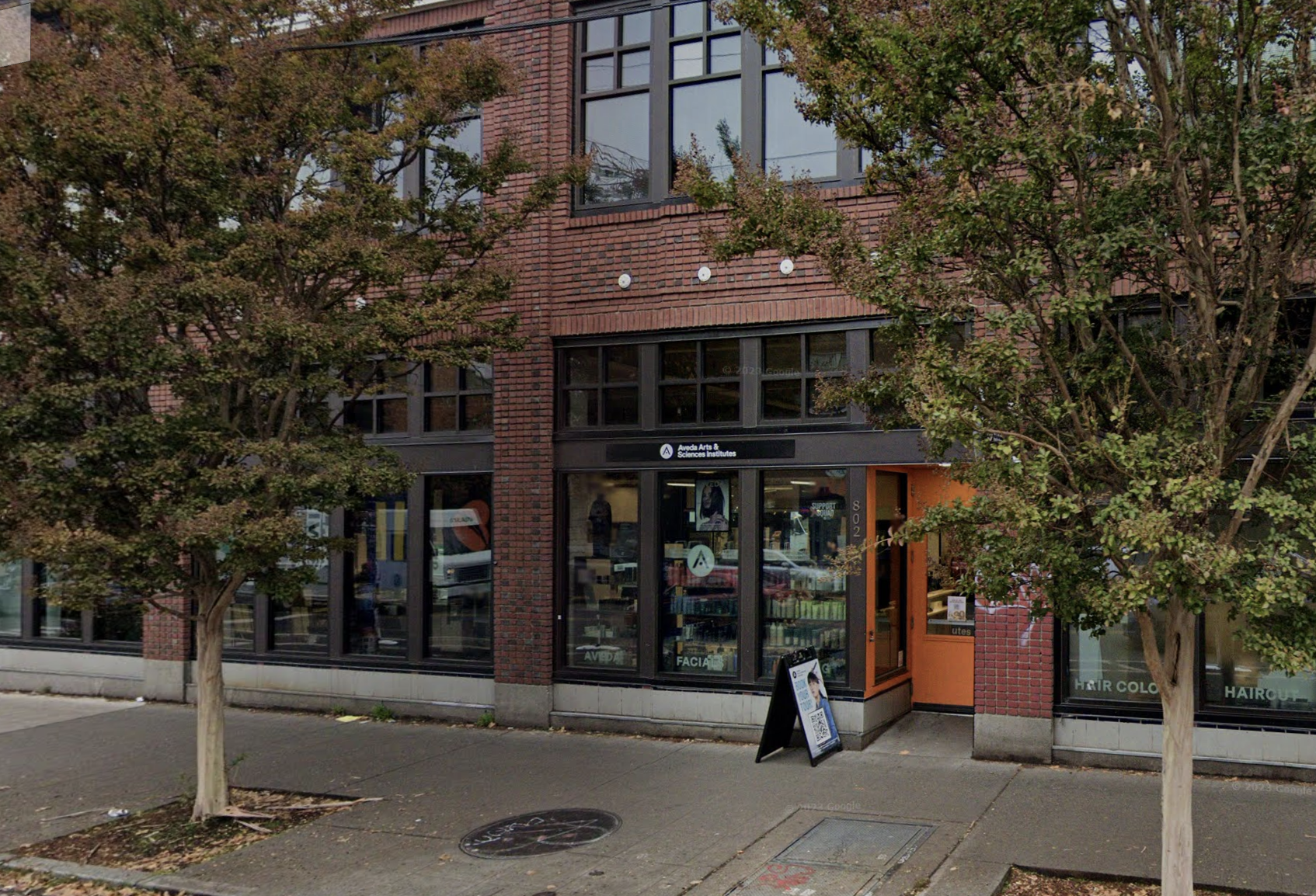
Aveda Arts & Sciences Institute Seattle
Seattle, WAprivate forprofitavedaarts.edu/
Avg net price
$23,787
Earnings (10 yr)
$32,491
Acceptance & SAT from Common Data Set / IPEDS; net price, earnings & graduation from the U.S. Dept. of Education College Scorecard. Figures lag ~1–2 years — verify with the school.
Aveda Arts & Sciences Institute Seattle is not a traditional university but a highly focused, for-profit trade school dedicated to beauty and wellness. It operates as a direct pipeline into the cosmetology and esthetics industries, offering a compact, hands-on education for a small cohort of 154 students. The vibe is less 'campus life' and more 'professional salon floor,' where success is measured by licensure and immediate job placement rather than four-year graduation rates.
More details
- Undergrad enrollment
- 154
- Location
- Seattle, WA
- Top Major
- Cosmetology & Related Personal Grooming Services
- Institution Type
- Private, for-profit trade school
- Student-Faculty Ratio
- 20:1 (sister school data)
- Median Earnings (10yr)
- $32,491
- Average Annual Loan Amount
- $12,126
- Median Family Income of Students
- $70,700
Outcomes & value
Outcomes & value
- Median earnings (10 yr)
- $32,491
- Value (earnings ÷ net price)
- 1.4×
- Median debt at graduation
- $7,773
- Reducing loan balance (3 yr)
- 53%
- Pell (lower-income) share
- 18%
- First-gen share (among federal-aid recipients)
- 41%
Earnings = median of students working ~10 years after entry; debt = median of graduates. Value divides 10-yr earnings by one year’s net price — read it as earnings per dollar of annual cost, not a full lifetime ROI; it favors lower-cost schools. Source: U.S. Dept. of Education College Scorecard. Figures lag ~2 years and reflect all students, not your intended major.
Campus & location
Campus safety
- On-campus violent crimes (2024)
- 0
On-campus criminal offenses classed as violent (murder/non-negligent manslaughter, rape, robbery, aggravated assault) for the most recent reported year. Source: U.S. Dept. of Education Campus Safety and Security (Clery Act). Counts reflect what’s reported to the school, and urban campuses often report more partly due to non-student incidents nearby — read alongside campus size and setting, not as a standalone safety verdict.
Climate
- Pleasant days / yr
- 132
- Summer high
- 74°F
- Winter low
- 37°F
- Annual rain
- 34.4"
- Annual snow
- 14.3"
- Natural-hazard risk
- Very High
Pleasant days counts days per year with a mean temperature of 55–75°F, a high at or below 90°F, a low at or above 45°F, and little precipitation — a transparent comfort measure, not a weighting we invented. Computed from Open-Meteo ERA5 daily history (2019–2023). Natural-hazard risk is the county’s composite rating from the FEMA National Risk Index.
Quick answers
- How much does Aveda Arts & Sciences Institute Seattle cost?
- At Aveda Arts & Sciences Institute Seattle, the average net price (after aid) is about $23,787 per year. Actual cost varies with financial aid and residency.
- How many undergraduates attend Aveda Arts & Sciences Institute Seattle?
- Aveda Arts & Sciences Institute Seattle enrolls approximately 154 undergraduate students.
- Where is Aveda Arts & Sciences Institute Seattle located?
- Aveda Arts & Sciences Institute Seattle is located in Seattle, WA.
Admissions
The admissions process at Aveda Arts & Sciences Institute Seattle is fundamentally different from that of a traditional college. It functions more like a vocational program enrollment. The institute received 98 undergraduate applications in 2014, and its New York counterpart is reported to have a 100% , suggesting an open-access model typical of career-focused trade schools. The primary requirements are practical: applicants must submit one letter of recommendation—suggested from former teachers, counselors, coaches, or religious leaders—and provide financial aid documentation. There is no available data on high school GPA or standardized test requirements, as these are not typically emphasized for cosmetology programs. The process is managed by Admissions Managers, and prospective students are encouraged to contact the institute directly to schedule a meeting.
Academics
Academics are singularly focused on beauty and wellness arts. The institute describes itself as Seattle's 'premier institution' for students pursuing these careers, offering a 'well-rounded education that will expand your creativity and sharpen and hone your talents.' The curriculum is hands-on and practical, designed to empower 'the next generation of beauty professionals through hands-on education in Cosmetology and Esthiology.' The top—and likely only—major is Cosmetology and Related Personal Grooming Services. With a reported student-faculty ratio of 20:1 at its New York sister school, the educational model is that of an apprenticeship, blending instruction with real-world salon experience. The goal is licensure and immediate professional competency, not a broad liberal arts foundation.
Compare Aveda Arts & Sciences Institute Seattle
vs United States Coast Guard Academyvs Livingstone Collegevs United States Air Force Academyvs Hillsdale College
See colleges similar to Aveda Arts & Sciences Institute Seattle →Sources
- common-data-set-2022-2023.pdf - Chestertown
- Common Data Set – Planning & Budgeting
- Aveda Arts & Sciences Institute Seattle
- Common Data Set: Home
- How To Use a Common Data Set
- Admissions to Aveda Arts & Sciences Institutes
- Aveda Arts & Sciences Institute - New York - Niche
- Aveda Arts & Sciences Institute New York Admissions - BigFuture
- Aveda Arts & Sciences Institutes | Cosmetology & Esthetician Schools
- Aveda Arts And Sciences Institute Seattle Admission - Testbook