Loading…
← All schools
Aveda Fredric's Institute-Indianapolis
Carmel, INprivate forprofitavedafi.edu
Avg net price
$24,096
Earnings (10 yr)
$31,963
Acceptance & SAT from Common Data Set / IPEDS; net price, earnings & graduation from the U.S. Dept. of Education College Scorecard. Figures lag ~1–2 years — verify with the school.
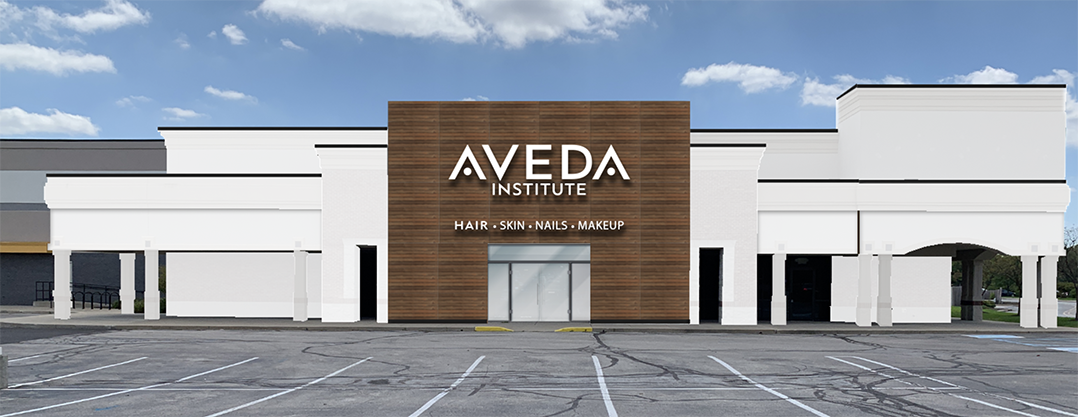
Aveda Fredric's Institute-Indianapolis isn't a traditional university; it's a hyper-focused, immersive beauty school where the curriculum is the salon floor and the final exam is a state license. With an open-door admissions policy and a student body that is overwhelmingly female, the school operates on a fast-track model, promising licensure in under 13 months within a purposefully designed, aesthetically pleasing environment. This is a trade school with a specific, brand-aligned mission: to produce job-ready cosmetologists.
More details
- Undergrad enrollment
- 265
- Program Duration
- Under 13 months
- Gender Demographics
- 98% Female, 2% Male
- 3-Year Graduation Rate
- 70%
- Median Earnings (10yr)
- $31,963
- Student-to-Faculty Ratio
- 20:1
- First-Year Retention Rate
- 89%
Outcomes & value
Outcomes & value
- Median earnings (10 yr)
- $31,963
- Value (earnings ÷ net price)
- 1.3×
- Median debt at graduation
- $7,389
- Reducing loan balance (3 yr)
- 54%
- Pell (lower-income) share
- 40%
Earnings = median of students working ~10 years after entry; debt = median of graduates. Value divides 10-yr earnings by one year’s net price — read it as earnings per dollar of annual cost, not a full lifetime ROI; it favors lower-cost schools. Source: U.S. Dept. of Education College Scorecard. Figures lag ~2 years and reflect all students, not your intended major.
Campus & location
Campus safety
- On-campus violent crimes (2024)
- 0
On-campus criminal offenses classed as violent (murder/non-negligent manslaughter, rape, robbery, aggravated assault) for the most recent reported year. Source: U.S. Dept. of Education Campus Safety and Security (Clery Act). Counts reflect what’s reported to the school, and urban campuses often report more partly due to non-student incidents nearby — read alongside campus size and setting, not as a standalone safety verdict.
Climate
- Pleasant days / yr
- 95
- Summer high
- 83°F
- Winter low
- 26°F
- Annual rain
- 33.1"
- Annual snow
- 18.7"
- Natural-hazard risk
- Relatively Moderate
Pleasant days counts days per year with a mean temperature of 55–75°F, a high at or below 90°F, a low at or above 45°F, and little precipitation — a transparent comfort measure, not a weighting we invented. Computed from Open-Meteo ERA5 daily history (2019–2023). Natural-hazard risk is the county’s composite rating from the FEMA National Risk Index.
Quick answers
- How much does Aveda Fredric's Institute-Indianapolis cost?
- At Aveda Fredric's Institute-Indianapolis, the average net price (after aid) is about $24,096 per year. Actual cost varies with financial aid and residency.
- How many undergraduates attend Aveda Fredric's Institute-Indianapolis?
- Aveda Fredric's Institute-Indianapolis enrolls approximately 265 undergraduate students.
- Where is Aveda Fredric's Institute-Indianapolis located?
- Aveda Fredric's Institute-Indianapolis is located in Carmel, IN.
Admissions
The admissions process here is defined by its accessibility, not its selectivity. The institute has an open admission policy, meaning all applicants are accepted. Sources consistently report a 100% , and the College Scorecard explicitly confirms the open admission policy, noting that admission test scores (SAT/ACT) are not required. The student body is small and highly concentrated, with total enrollment hovering around 265-266 students. This is a profoundly gender-skewed environment, with one source reporting the student population is split 2% male and 98% female. The process is geared toward career-changers and direct-from-high-school students alike, with the school providing resources like the Federal Student Aid Estimator to help prospective students understand financing options from the outset.
Academics
Academic life is singular and intensive, revolving entirely around the cosmetology license. The institute offers a limited set of majors—five, according to one source—with cosmetology being the clear flagship. The program is structured to be completed rapidly, with the school advertising that students can "become a licensed cosmetologist in under 13 months." The pedagogical approach is hands-on and practical, with instructors described as "well-versed in modern techniques and classic styles." A student-to-faculty ratio of 20:1 suggests a cohort-style learning environment. Anecdotal evidence from a Reddit discussion by a former student describes a curriculum broken into three parts: "Core, Adaptive and Creative," and notes a disciplined but fair environment where "No one got kicked out for anything other than excessive ..." (the post cuts off, implying attendance or conduct issues). This is not a liberal arts education; it's a professional training program where the classroom and the clinic are one and the same.
Compare Aveda Fredric's Institute-Indianapolis
vs Hillsdale Collegevs United States Coast Guard Academyvs Drury Universityvs William Woods University
See colleges similar to Aveda Fredric's Institute-Indianapolis →Sources
- Aveda Fredric's Institute-Indianapolis - IPEDS
- Common Data Set - GradGPT
- Common Data Set: Home
- Aveda Fredric's Institute-Indianapolis - Sallie
- High School Admissions Resources - Nurtur Aveda Institute
- Aveda Fredric's Institute-Indianapolis | Data USA
- Aveda Fredric's Institute - Indianapolis
- Aveda Fredric's Institute Indianapolis Tuition and Costs
- Aveda Fredric's Institute-Indianapolis
- Aveda Fredric's Institute Indianapolis Campus Life - BigFuture
- Aveda Fredric's Institute-Indianapolis | College Scorecard