Loading…
← All schools
Aveda Institute Portland-Vancouver Campus
Vancouver, WAprivate forprofitavedapdx.com/
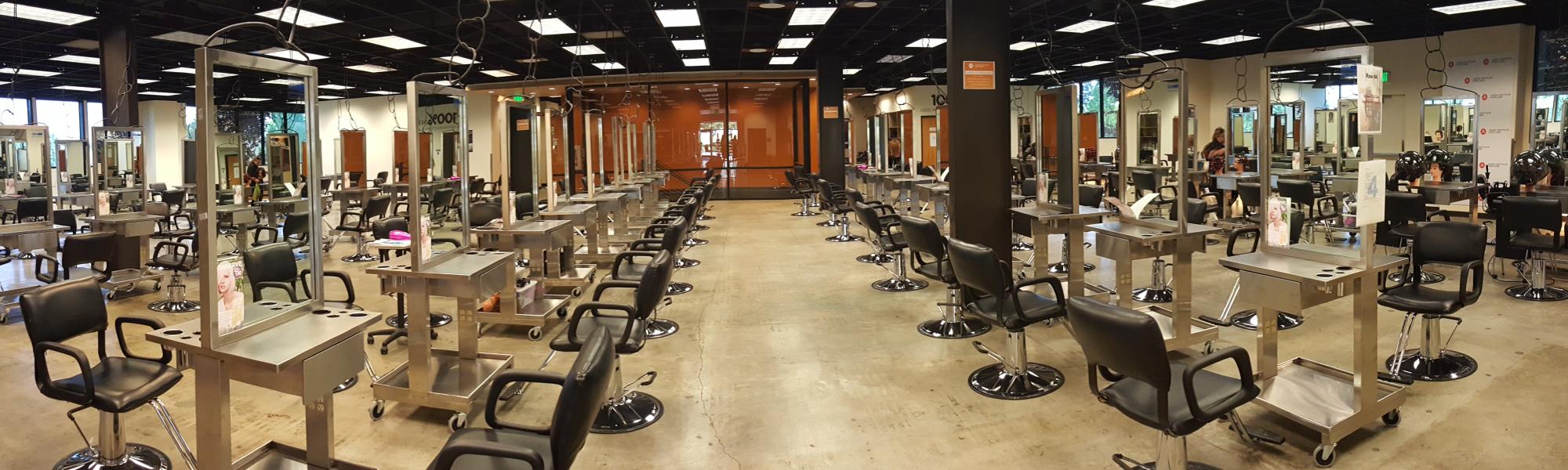
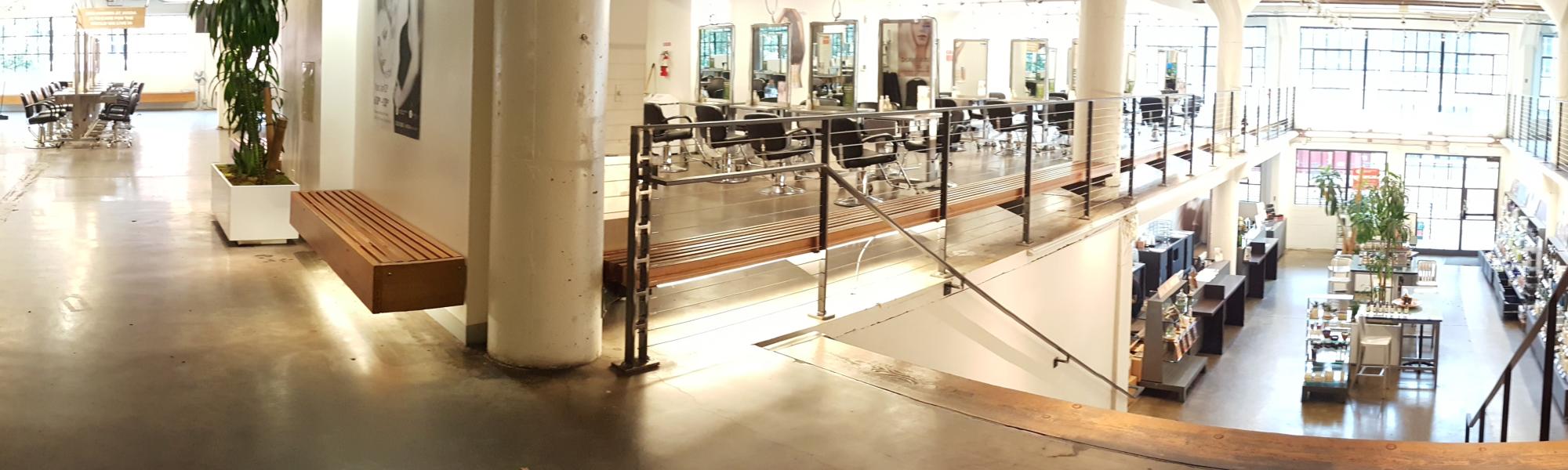
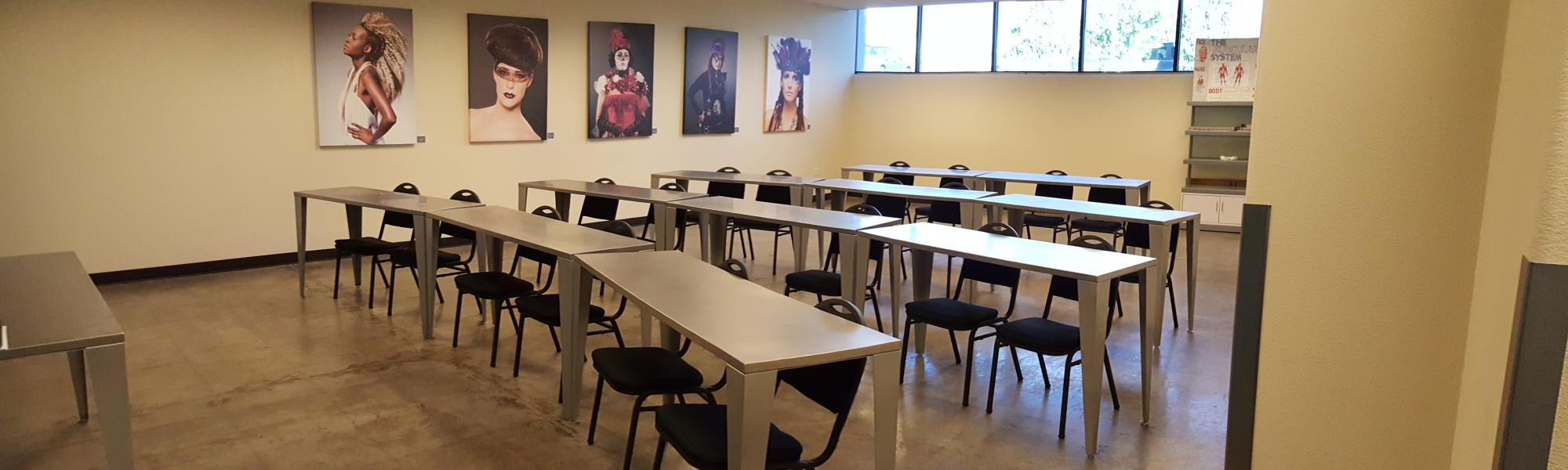
The Aveda Institute Portland-Vancouver Campus is not a traditional liberal arts college but a specialized, for-profit beauty school offering a hyper-focused, hands-on education in cosmetology, esthetics, and hair design. With an open admissions policy and a student body of roughly 130, it operates more like a professional training academy, where students learn their craft in a sleek, modern salon environment before taking state licensure exams. Its identity is defined by the Aveda brand's ethos of plant-based products and wellness, and its value proposition is a direct line to a specific trade, with outcomes measured in graduation, licensure, and job placement rates rather than four-year degrees or campus life.
More details
- Undergrad enrollment
- 122
- Top Program
- Cosmetology/Hair Design
- Student Population
- ~130
- Median Earnings (10yr)
- $33,003
- Federal Loan Recipients
- 83%
- Graduation Rate (3-4 yr)
- 83%
- Student-to-Faculty Ratio
- 14:1 to 21:1
- First-Year Retention Rate
- 100%
Outcomes & value
Outcomes & value
- Median earnings (10 yr)
- $33,003
- Median debt at graduation
- $6,826
- Reducing loan balance (3 yr)
- 50%
- Pell (lower-income) share
- 49%
- First-gen share (among federal-aid recipients)
- 39%
Earnings = median of students working ~10 years after entry; debt = median of graduates. Value divides 10-yr earnings by one year’s net price — read it as earnings per dollar of annual cost, not a full lifetime ROI; it favors lower-cost schools. Source: U.S. Dept. of Education College Scorecard. Figures lag ~2 years and reflect all students, not your intended major.
Campus & location
Campus safety
- On-campus violent crimes (2024)
- 0
On-campus criminal offenses classed as violent (murder/non-negligent manslaughter, rape, robbery, aggravated assault) for the most recent reported year. Source: U.S. Dept. of Education Campus Safety and Security (Clery Act). Counts reflect what’s reported to the school, and urban campuses often report more partly due to non-student incidents nearby — read alongside campus size and setting, not as a standalone safety verdict.
Climate
- Pleasant days / yr
- 112
- Summer high
- 80°F
- Winter low
- 35°F
- Annual rain
- 56.7"
- Annual snow
- 18.6"
- Natural-hazard risk
- Relatively Moderate
Pleasant days counts days per year with a mean temperature of 55–75°F, a high at or below 90°F, a low at or above 45°F, and little precipitation — a transparent comfort measure, not a weighting we invented. Computed from Open-Meteo ERA5 daily history (2019–2023). Natural-hazard risk is the county’s composite rating from the FEMA National Risk Index.
Quick answers
- How many undergraduates attend Aveda Institute Portland-Vancouver Campus?
- Aveda Institute Portland-Vancouver Campus enrolls approximately 122 undergraduate students.
- Where is Aveda Institute Portland-Vancouver Campus located?
- Aveda Institute Portland-Vancouver Campus is located in Vancouver, WA.
Admissions
Admissions at the Aveda Institute Portland-Vancouver Campus is characterized by an open admission policy, meaning it accepts all high school students enrolled in college courses for credit. This is reflected in reported of 100% from multiple sources. The process is not about competitive selection based on academic metrics but about determining a candidate's fit and readiness for a hands-on trade program. Prospective students are encouraged to take a campus tour to explore classrooms and the salon floor, see students in action, and get a feel for daily student life. The institute does not appear to publish or emphasize standardized test scores like the SAT or ACT as part of its admissions criteria; one source notes the admission test score policy is 'unknown,' while others simply do not list them as requirements. The application fee is listed as $20. Given its open-admissions, career-training model, factors like demonstrated interest—often tracked by traditional colleges—are not discussed in the context of this institution's admissions process.
Compare Aveda Institute Portland-Vancouver Campus
vs Livingstone Collegevs United States Coast Guard Academyvs The College of Idahovs University of Alaska Southeast
See colleges similar to Aveda Institute Portland-Vancouver Campus →Sources
- Common Data Set: Home
- common-data-set-2024-2025.pdf
- Common Data Set Explorer 2026: Compare 100 Colleges
- Where to find Common Data Set (CDS) for college admission statistics
- Common Data Set: Your Key to Smarter College Decisions
- The Common Data Set: What It Is & How to Use It In College Applications
- Aveda Institute - Portland-Vancouver
- Aveda Institute Portland Vancouver Admissions: SAT, ACT & GPA ...
- Aveda Institute Portland-Vancouver Campus | College Scorecard
- Aveda Institute - Portland