Loading…
← All schools
Berkeley College-Woodland Park
Woodland Park, NJprivate forprofitberkeleycollege.edu
Avg net price
$27,100
Earnings (10 yr)
$40,251
Graduation rate
44%
Acceptance & SAT from Common Data Set / IPEDS; net price, earnings & graduation from the U.S. Dept. of Education College Scorecard. Figures lag ~1–2 years — verify with the school.
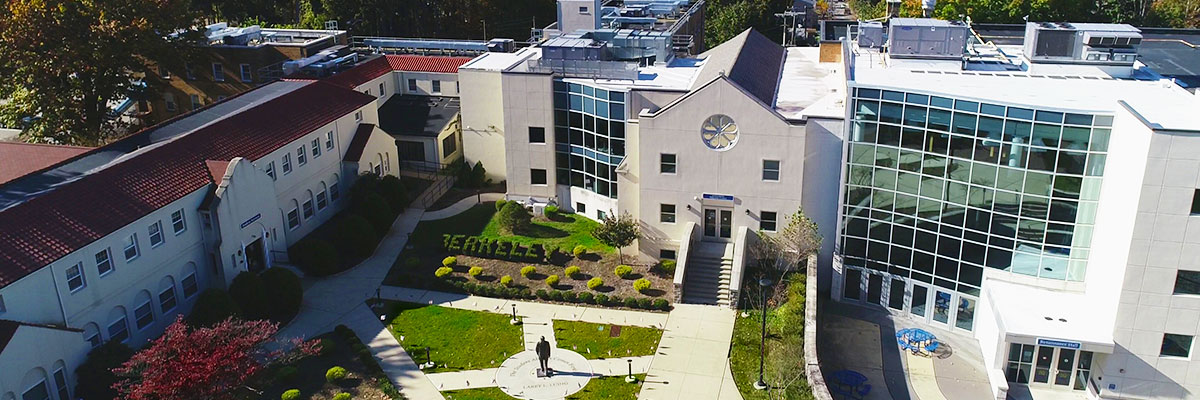
Berkeley College-Woodland Park is a private, career-focused institution perched on a wooded mountaintop in New Jersey, offering a pragmatic, open-access education. Its identity is built on rolling admissions, a curriculum tightly aligned with business, health, and criminal justice fields, and a graduation rate that reflects its mission of serving a broad, often non-traditional student population. This is not a place of cutthroat selectivity or sprawling research, but of direct, hands-on preparation for the workforce, with a campus environment described as clean, welcoming, and idyllic.
More details
- Undergrad enrollment
- 1,778
- In-state tuition
- $29,800
- Out-of-state tuition
- $29,800
- Top Majors
- Health Professions (46%), Business (24%)
- Campus Setting
- Wooded mountaintop
- Early Decision
- Not offered
- Graduation Rate
- 44%
- Median Earnings (10yr)
- $40,251
- First-Year Students Receiving Aid
- 74%
Outcomes & value
Outcomes & value
- Median earnings (10 yr)
- $40,251
- Value (earnings ÷ net price)
- 1.5×
- Median debt at graduation
- $23,251
- Graduation rate
- 44%
- First-year retention
- 55%
- Reducing loan balance (3 yr)
- 37%
- Pell (lower-income) share
- 62%
- First-gen share (among federal-aid recipients)
- 57%
Top-earning majors
Median earnings by field of study (highest credential), ~2 years after completion.
- Accounting and Related Services$42,884
- International Business$40,485
- Marketing$38,289
- Business Administration, Management and Operations$38,195
- Health and Medical Administrative Services$37,054
- Specialized Sales, Merchandising and Marketing Operations
Campus & location
Campus safety
- On-campus violent crimes (2024)
- 0
- Per 1,000 students
- 0.00
On-campus criminal offenses classed as violent (murder/non-negligent manslaughter, rape, robbery, aggravated assault) for the most recent reported year. Source: U.S. Dept. of Education Campus Safety and Security (Clery Act). Counts reflect what’s reported to the school, and urban campuses often report more partly due to non-student incidents nearby — read alongside campus size and setting, not as a standalone safety verdict.
Climate
- Pleasant days / yr
- 89
- Summer high
- 83°F
- Winter low
- 27°F
- Annual rain
- 53.2"
- Annual snow
- 22.3"
- Natural-hazard risk
- Relatively High
Pleasant days counts days per year with a mean temperature of 55–75°F, a high at or below 90°F, a low at or above 45°F, and little precipitation — a transparent comfort measure, not a weighting we invented. Computed from Open-Meteo ERA5 daily history (2019–2023). Natural-hazard risk is the county’s composite rating from the FEMA National Risk Index.
Quick answers
- How much does Berkeley College-Woodland Park cost?
- At Berkeley College-Woodland Park, the average net price (after aid) is about $27,100 per year. Actual cost varies with financial aid and residency.
- How many undergraduates attend Berkeley College-Woodland Park?
- Berkeley College-Woodland Park enrolls approximately 1,778 undergraduate students.
- Where is Berkeley College-Woodland Park located?
- Berkeley College-Woodland Park is located in Woodland Park, NJ.
Admissions
Berkeley College-Woodland Park operates with an open-access, non-selective admissions policy. Multiple sources report an of 100%, with others citing rates of 95% or 97.67%, all indicating that admission is virtually guaranteed for applicants who meet basic requirements. The college maintains a rolling admissions policy, encouraging students to apply early, and does not have binding Early Decision programs. Standardized test scores (SAT/ACT) are considered but not required for admission. The process is designed for accessibility, with a regular application deadline as late as August 23, making it a viable option for students making last-minute decisions.
- Acceptance Rate: Reported between 95% and 100%, with multiple sources confirming 100%.
- Policy: Rolling admissions.
- Tests: SAT/ACT considered, not required.
- Selectivity: Universally described as "not selective."
Compare Berkeley College-Woodland Park
See colleges similar to Berkeley College-Woodland Park →Sources
- Common Data Set - Office of Planning and Analysis - UC Berkeley
- UC Berkeley Common Data Set 2025-2026
- Common Data Set: Home
- Common Data Set (CDS) - [email protected]
- Common Data Set Explorer 2026: Compare 100 Colleges
- Common Data Set 2015-16
- Berkeley College Admissions - BigFuture College Search
- Berkeley College-Woodland Park - Sallie
- Berkeley College - Woodland Park, NJ
- Berkeley College Admissions
- Berkeley: Freshman admission profile