Loading…
← All schools
Bethlehem College & Seminary
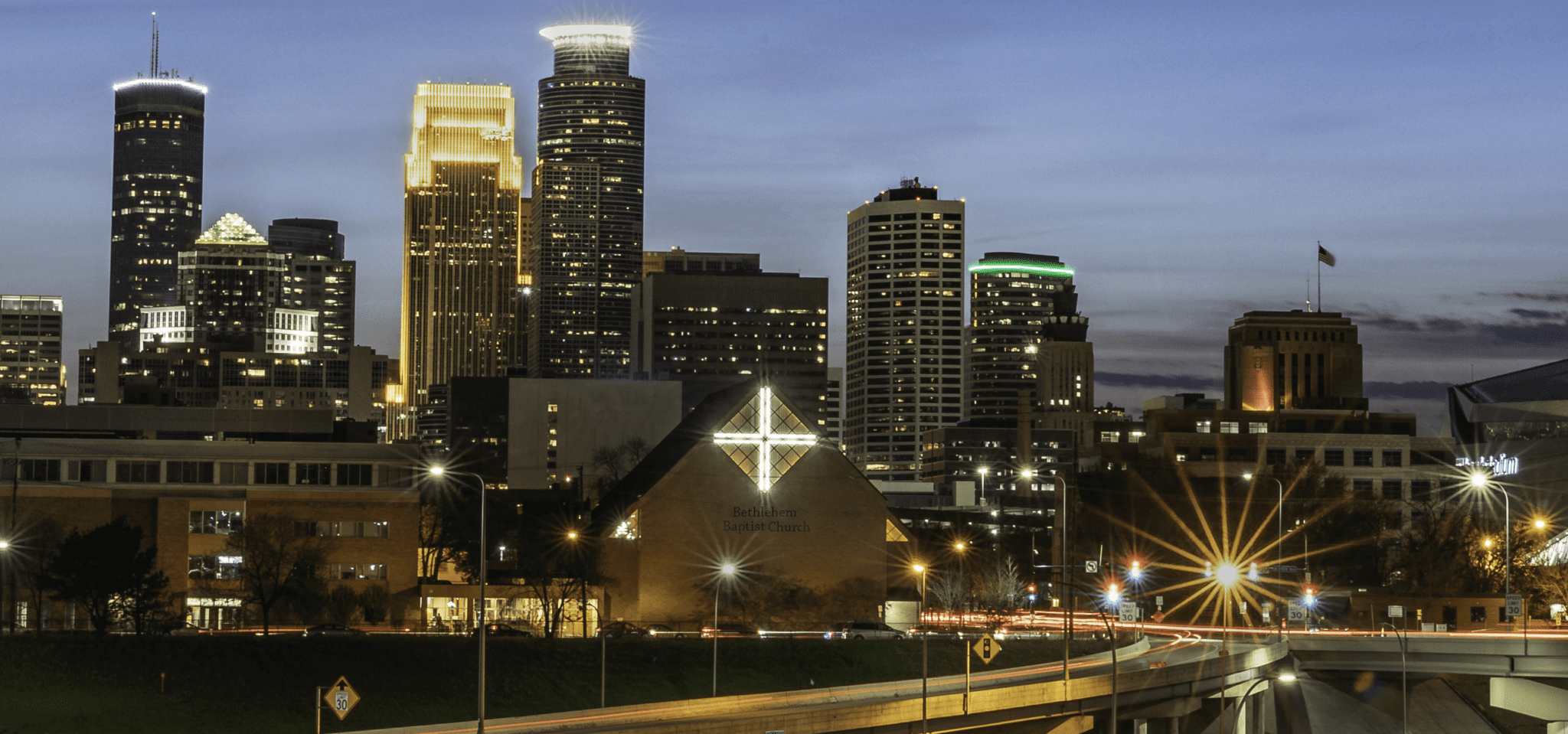
Minneapolis, MNprivate nonprofitbcsmn.edu/
Bethlehem College & Seminary is a fiercely distinctive, tiny Christian institution in Minneapolis that operates more like an intellectual and spiritual apprenticeship than a traditional college. Born from the ministry of Bethlehem Baptist Church and the theological vision of John Piper, it offers a singular, integrated curriculum focused on theological and ministerial studies, delivered in an extraordinarily tight-knit community. With a deliberate policy of refusing all federal and state financial aid to keep students debt-free, it stands as a radical, low-cost alternative for students committed to a specific Reformed, charismatic, and baptistic worldview.
More details
- Undergrad enrollment
- 117
- In-state tuition
- $8,200
- Out-of-state tuition
- $8,200
- Accreditation
- Association of Biblical Higher Education
- No-Loan Policy
- Yes, refuses all federal/state aid
- Graduation Rate
- 70%
- Student Body Vibe
- Tight-knit church-based apprenticeship
- Core Academic Focus
- Classical Christian Studies (single major)
- Automatic Scholarship
- $10,000 Serious Joy Scholarship
- Early Action Deadline
- December 1
- Median Earnings (5yr)
- $45,519
Outcomes & value
Outcomes & value
- Graduation rate
- 70%
- First-year retention
- 100%
- Pell (lower-income) share
- —
- Endowment / student
- $791
Earnings = median of students working ~10 years after entry; debt = median of graduates. Value divides 10-yr earnings by one year’s net price — read it as earnings per dollar of annual cost, not a full lifetime ROI; it favors lower-cost schools. Source: U.S. Dept. of Education College Scorecard. Figures lag ~2 years and reflect all students, not your intended major.
Campus & location
Climate
- Pleasant days / yr
- 86
- Summer high
- 82°F
- Winter low
- 9°F
- Annual rain
- 36.6"
- Annual snow
- 43.3"
- Natural-hazard risk
- Relatively High
Pleasant days counts days per year with a mean temperature of 55–75°F, a high at or below 90°F, a low at or above 45°F, and little precipitation — a transparent comfort measure, not a weighting we invented. Computed from Open-Meteo ERA5 daily history (2019–2023). Natural-hazard risk is the county’s composite rating from the FEMA National Risk Index.
Quick answers
- How many undergraduates attend Bethlehem College & Seminary?
- Bethlehem College & Seminary enrolls approximately 117 undergraduate students.
- Where is Bethlehem College & Seminary located?
- Bethlehem College & Seminary is located in Minneapolis, MN.
Admissions
Admissions at Bethlehem College & Seminary is accessible but framed by a clear expectation of mission alignment. The undergraduate tends to be around 79%, with recent figures showing 78.9% (30 admissions from 38 applications). The process is straightforward: an online application followed by supplemental materials, including an official high school transcript. The school offers an Early Action deadline of December 1, which waives the $25 application fee and provides an early admissions decision. While test scores are considered, reported mid-ranges for admitted students are an ACT between 23-27 or an SAT between 1130-1270. There is no indication from the provided sources that the school tracks or considers demonstrated interest as a formal factor in admissions decisions. The regular admissions deadline is March 1.
Compare Bethlehem College & Seminary
See colleges similar to Bethlehem College & Seminary →Sources
- Bethlehem College & Seminary - DFR Report HTML
- Bethlehem College & Seminary
- Admissions
- Undergraduate Admissions Overview
- Common Data Set 2023-2024
- Common Data Set Repository
- Bethlehem College & Seminary Acceptance Rate
- Bethlehem College & Seminary Acceptance Rate
- Bethlehem College and Seminary Admissions & Acceptance
- Bethlehem College & Seminary
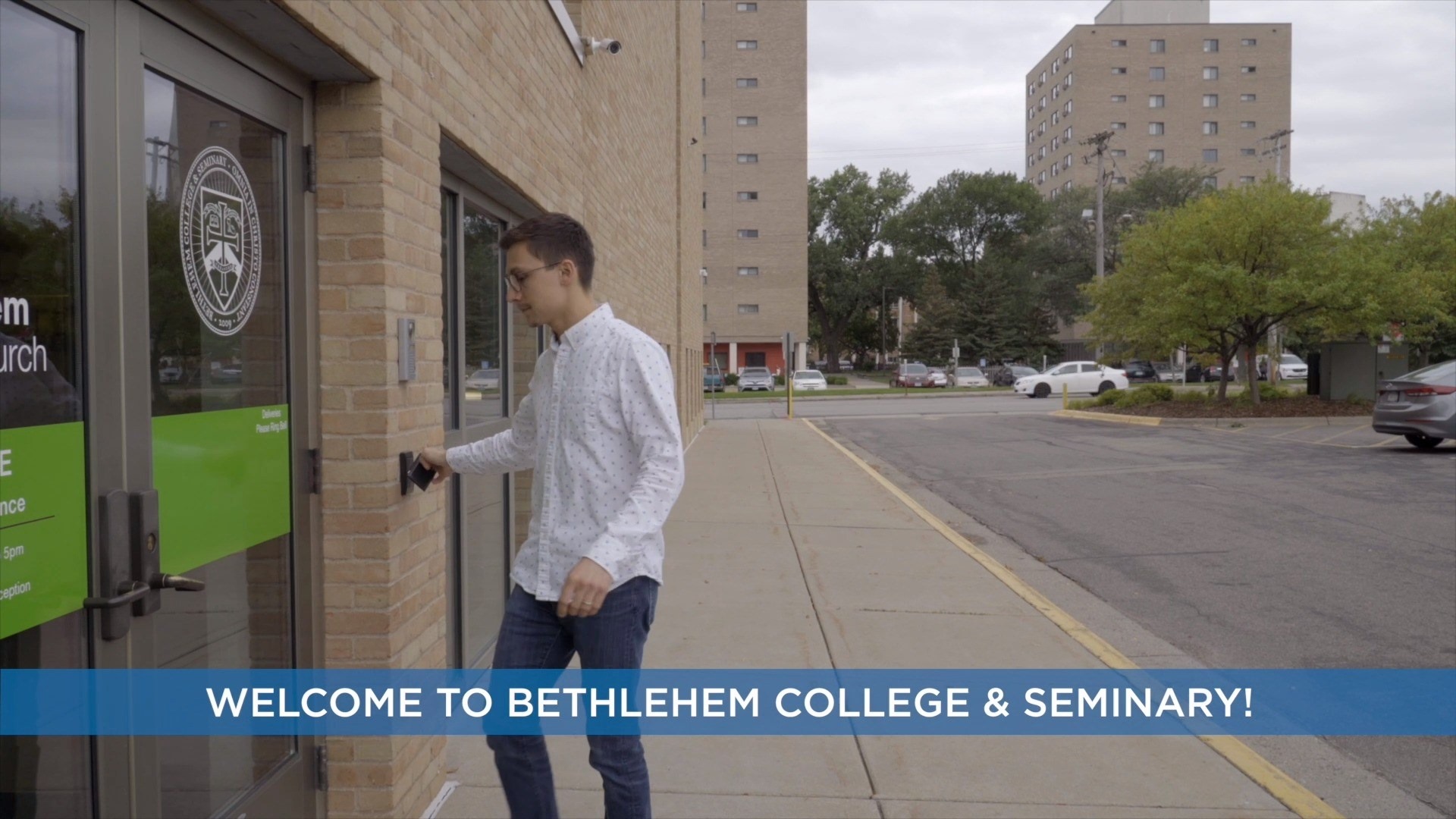
- Today we welcomed our largest ever Bethlehem College ...