Loading…
← All schools
Bowling Green State University-Firelands
Huron, OHpublicfirelands.bgsu.edu
Avg net price
$17,480
Earnings (10 yr)
$47,896
Graduation rate
11%
Acceptance & SAT from Common Data Set / IPEDS; net price, earnings & graduation from the U.S. Dept. of Education College Scorecard. Figures lag ~1–2 years — verify with the school.
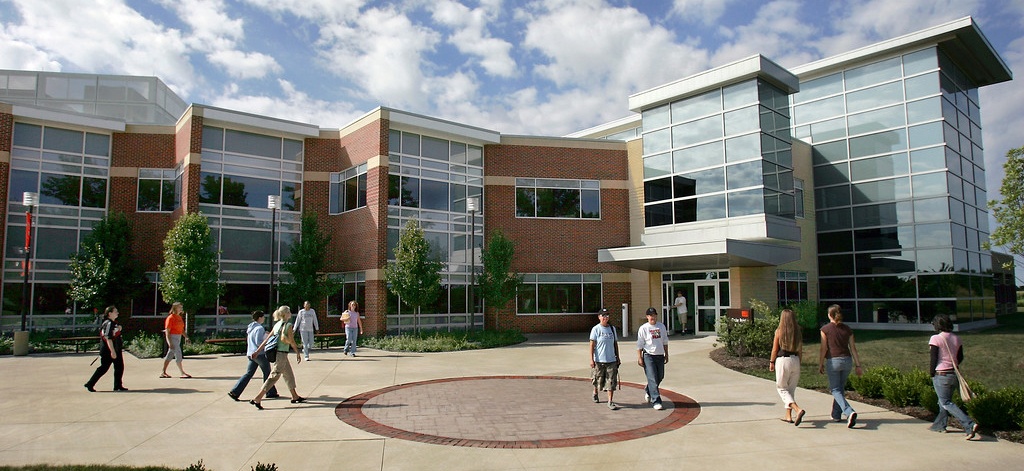
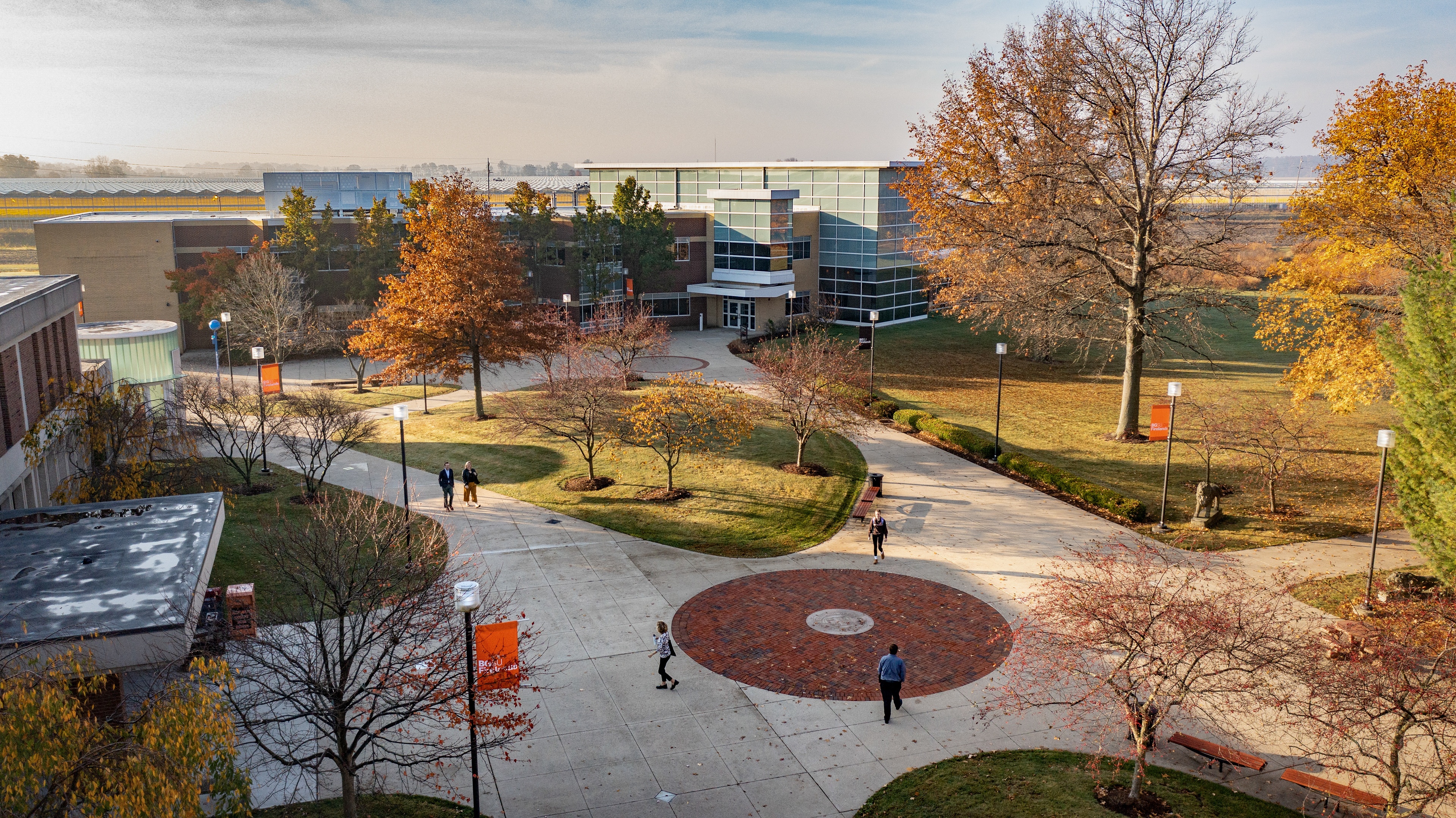
Bowling Green State University-Firelands is a rural, open-access regional campus that functions as a critical on-ramp to higher education for Northern Ohio. It’s a place where career-focused associate and bachelor’s degrees in healthcare, business, and technology meet a starkly pragmatic mission: removing barriers to entry and completion for a largely part-time, local student body. The vibe is less about traditional residential college life and more about providing a direct, affordable pathway to a credential—a mission recently validated by a Carnegie Foundation recognition for advancing student access and success.
More details
- Undergrad enrollment
- 1,251
- In-state tuition
- $6,407
- Out-of-state tuition
- $14,395
- Setting
- Rural
- Application Fee
- $45
- Graduation Rate
- 11%
- Special Aid Program
- $0 tuition for Pell-eligible new/transfer students
- Application Deadline
- August 15
- Carnegie Recognition
- 2025, for advancing student access & success
- Median Earnings (10yr)
- $47,896
Outcomes & value
Outcomes & value
- Median earnings (10 yr)
- $47,896
- Value (earnings ÷ net price)
- 2.7×
- Median debt at graduation
- $25,000
- Graduation rate
- 11%
- First-year retention
- 51%
- Reducing loan balance (3 yr)
- 53%
- Pell (lower-income) share
- 28%
- First-gen share (among federal-aid recipients)
- 30%
Earnings = median of students working ~10 years after entry; debt = median of graduates. divides 10-yr earnings by net price — read it as earnings per dollar of annual cost, not a full lifetime ROI; it favors lower-cost schools. Source: U.S. Dept. of Education College Scorecard. Figures lag ~2 years and reflect all students, not your intended major.
Top-earning majors
Median earnings by field of study (highest credential), ~2 years after completion.
- Engineering/Engineering-Related Technologies/Technicians, Other$64,829
- Allied Health Diagnostic, Intervention, and Treatment Professions$35,594
Source: U.S. Dept. of Education College Scorecard (field-of-study earnings). Figures cover graduates who received federal aid and lag ~2 years; not all programs report data.
Campus & location
Campus safety
- On-campus violent crimes (2024)
- 0
On-campus criminal offenses classed as violent (murder/non-negligent manslaughter, rape, robbery, aggravated assault) for the most recent reported year. Source: U.S. Dept. of Education Campus Safety and Security (Clery Act). Counts reflect what’s reported to the school, and urban campuses often report more partly due to non-student incidents nearby — read alongside campus size and setting, not as a standalone safety verdict.
Climate
- Pleasant days / yr
- 106
- Summer high
- 80°F
- Winter low
- 27°F
- Annual rain
- 32"
- Annual snow
- 26.2"
- Natural-hazard risk
- Relatively Low
Pleasant days counts days per year with a mean temperature of 55–75°F, a high at or below 90°F, a low at or above 45°F, and little precipitation — a transparent comfort measure, not a weighting we invented. Computed from Open-Meteo ERA5 daily history (2019–2023). Natural-hazard risk is the county’s composite rating from the FEMA National Risk Index.
Quick answers
- How much does Bowling Green State University-Firelands cost?
- At Bowling Green State University-Firelands, the average net price (after aid) is about $17,480 per year. Actual cost varies with financial aid and residency.
- How many undergraduates attend Bowling Green State University-Firelands?
- Bowling Green State University-Firelands enrolls approximately 1,251 undergraduate students.
- Where is Bowling Green State University-Firelands located?
- Bowling Green State University-Firelands is located in Huron, OH.
Admissions
BGSU-Firelands operates with an open-access admissions philosophy, serving as a primary point of entry for students in the region. Multiple sources report a 100% , indicating the campus's mission-driven focus on access over selectivity. The application process is straightforward with a deadline of August 15 and a $45 application fee. While the main BGSU campus suggests minimum test scores (a 20 ACT or 1040 SAT combined with a 2.5 GPA) for its policy, Firelands' open-admissions nature means these benchmarks are not barriers to entry here. The student body is nearly evenly split between full-time (1,055) and part-time (1,042) enrollment, reflecting its role in serving non-traditional and working students.
Compare Bowling Green State University-Firelands
vs Chicago State Universityvs Dickinson State Universityvs Thaddeus Stevens College of Technologyvs Minot State University
See colleges similar to Bowling Green State University-Firelands →Sources
- Common Data Set (CDS)
- Key Institutional Outcomes
- About
- Bowling Green State University-Firelands
- Bowling Green State University-Firelands College: Tabular Data
- Common Data Set Explorer 2026: Compare 100 Colleges
- Bowling Green State University - Firelands
- Test Optional
- Bowling Green State University - Firelands - Tuition and Acceptance ...
- Bowling Green State University Admissions - BigFuture