Brand College in Glendale, California, presents itself as a moderately selective institution with an 80% acceptance rate, placing it among the more accessible four-year options. Its academic offerings appear to align with national trends in popular majors, while its student life and financial aid policies remain broadly defined by common higher-education frameworks. The school's distinct character and specific outcomes for graduates are not detailed in the provided sources, making it a candidate for students prioritizing location and general undergraduate experience over a highly specialized or nationally ranked program.
Admission requirements
Test-blind — scores not considered
Considered (not required)
High school transcript
Grade point average
Class rank
Letters of recommendation
College-prep program
Demonstrated competencies
TOEFL (non-native English)
Source: IPEDS Admissions survey (2022) via Urban Institute. Covers formal factors only — it does not reflect essays, extracurriculars, or other holistic criteria.
More details
Undergrad enrollment
15
Location
Glendale, CA
Primary Data Source
Common Data Set (CDS)
Demonstrated Interest
Policy defined in CDS C7
Outcomes & value
Outcomes & value
Pell (lower-income) share
—
Earnings = median of students working ~10 years after entry; debt = median of graduates. Value divides 10-yr earnings by one year’s net price — read it as earnings per dollar of annual cost, not a full lifetime ROI; it favors lower-cost schools. Source: U.S. Dept. of Education College Scorecard. Figures lag ~2 years and reflect all students, not your intended major.
Financial health
3.0 / 3.0Meets the federal financial-responsibility standard
U.S. Dept. of Education Financial Responsibility Composite Score (FY2022-23). Scale −1.0 to 3.0; ≥1.5 meets the standard. Reported for private nonprofit & for-profit institutions only — public universities are state-backed and not scored, so this is a stability signal, not a ranking.
Campus & location
Campus safety
On-campus violent crimes (2024)
0
On-campus criminal offenses classed as violent (murder/non-negligent manslaughter, rape, robbery, aggravated assault) for the most recent reported year. Source: U.S. Dept. of Education Campus Safety and Security (Clery Act). Counts reflect what’s reported to the school, and urban campuses often report more partly due to non-student incidents nearby — read alongside campus size and setting, not as a standalone safety verdict.
Climate
Pleasant days / yr
220
Summer high
87°F
Winter low
47°F
Annual rain
22.4"
Natural-hazard risk
Very High
Pleasant days counts days per year with a mean temperature of 55–75°F, a high at or below 90°F, a low at or above 45°F, and little precipitation — a transparent comfort measure, not a weighting we invented. Computed from Open-Meteo ERA5 daily history (2019–2023). Natural-hazard risk is the county’s composite rating from the FEMA National Risk Index.
Quick answers
What is the acceptance rate at Brand College?
Brand College's acceptance rate is approximately 80% (Glendale, CA), based on the most recent figures we compiled from public and primary sources.
How many undergraduates attend Brand College?
Brand College enrolls approximately 15 undergraduate students.
Where is Brand College located?
Brand College is located in Glendale, CA.
Admissions
Brand College operates with a notably accessible admissions process, accepting 80% of its applicants according to the canonical figure. This places it well above the selectivity of many private nonprofits. The school utilizes the , a standardized questionnaire that provides a detailed snapshot of its admissions and financial aid processes, enrollment figures, and student outcomes. This tool is reviewed by a broad advisory board and used by data providers across secondary schools and colleges, offering a consistent framework for comparing institutions. While specific Brand College CDS data on factors like standardized test score ranges, GPA, or the importance of demonstrated interest is not provided, the CDS framework itself indicates the school reports on these standardized metrics. The CDS includes a section (C7) where colleges rate the importance of various admission factors, which can include demonstrated interest, though its specific weight at Brand College is not stated in the sources. The provided sources on selectivity from other institutions illustrate a wide range of admissions landscapes, from highly selective schools with admit rates as low as 16% and middle-50% SAT scores in the 1450–1530 range, to large public universities with broader profiles; Brand College's 80% rate suggests it occupies a less selective space within this spectrum.
Key Admission Tool: The Common Data Set (CDS) is the primary source for standardized admissions data.
Demonstrated Interest: Its consideration is a variable defined in the CDS (C7), but Brand College's specific policy is not detailed.
Early Decision Impact: At some colleges, Early Decision programs can account for 50% or more of an incoming class, serving as a key lever for increasing (the percentage of admitted students who enroll). Brand College's use of such plans is not specified.
The academic profile of Brand College can be inferred to follow national trends in higher education, though specific departmental strengths or unique programs are not highlighted in the provided sources. Nationally, the most popular college majors consistently include Business, Health professions (including Nursing and Public Health), Social Sciences and History, Biological and Biomedical Sciences, Psychology, Engineering, and Computer Science. These fields are popular due to their perceived career versatility, strong labor demand, and clear pathways to employment. Students are often advised to choose majors based on their aptitudes, strengths, and the roles and identities they see for themselves, rather than purely on popularity. Without specific data from Brand College's catalog or CDS, it is reasonable to assume its curriculum includes offerings within these high-demand areas, aiming to provide students with transferable skills and reasonable education costs that align with broader market needs.
The day-to-day experience at Brand College is shaped by its campus culture—the values, traditions, social dynamics, and overall atmosphere that define life for its students. This culture influences who students meet, what opportunities they encounter, and how they integrate into the community. While specific traditions, housing styles, club offerings, or athletic affiliations for Brand College are not detailed, campus life generally encompasses elements like housing, dining, student clubs, sports, and social events. Prospective students are encouraged to investigate whether a college's social scene aligns with their personal preferences and needs, as this fit is essential to a fulfilling experience. The provided sources emphasize that understanding this culture is often more critical than abstract rankings when evaluating personal fit.
Student outcomes at Brand College, including graduation rates and post-graduate earnings, are not specified in the provided sources. However, national data provides context for the broader landscape. The 6-year graduation rate for private nonprofit institutions has a median of 68%, though individual school rates can range dramatically from 20% to over 95%. Financially, the median starting salary for recent bachelor's degree graduates nationally was $45,478 in one survey, with typical earnings significantly higher than those for associate degree holders or high school graduates. Lifetime earnings data shows that advanced degrees confer substantial financial advantages over a career. The wide variance in outcomes underscores the importance of investigating specific institutional data, likely available through Brand College's or similar reports, to understand its performance relative to these national benchmarks.
Understanding the true cost of attending Brand College requires looking beyond the published tuition and fees to the —the amount a student pays for a single academic year after subtracting scholarships and grants. This figure is calculated by subtracting gift aid from the total . Prospective students are encouraged to use the institution's Net Price Calculator, a tool that provides an estimated net price based on a family's financial information. This estimate helps families anticipate college costs and gauge eligibility for need-based scholarships and aid. It is not a financial aid application or guarantee, but a planning instrument. Some colleges have policies to meet 100% of a student's demonstrated financial need, often through a combination of grants, scholarships, work-study, and sometimes loans. A subset of these are 'no-loan' policies, where the financial aid package excludes loans for families below certain income thresholds. Whether Brand College employs such policies is not indicated in the provided sources.
Based solely on the provided sources, Brand College's most distinguishing characteristic is its high of 80%, which signals an inclusive admissions philosophy and positions it as a potentially less stressful target for a wide range of applicants. Its location in Glendale, California, within the greater Los Angeles area, suggests access to the cultural, professional, and social opportunities of a major metropolitan region, though this is an inference from its listed location. The school employs the standardized for reporting, which promotes transparency and allows for direct comparison with other institutions. Beyond these basic facts, the sources do not provide information on unique academic programs, distinctive campus traditions, notable alumni networks, or special learning opportunities that would typically define a school's standout features. Its profile is that of a private college operating within common national frameworks for admissions, academics, and student life.
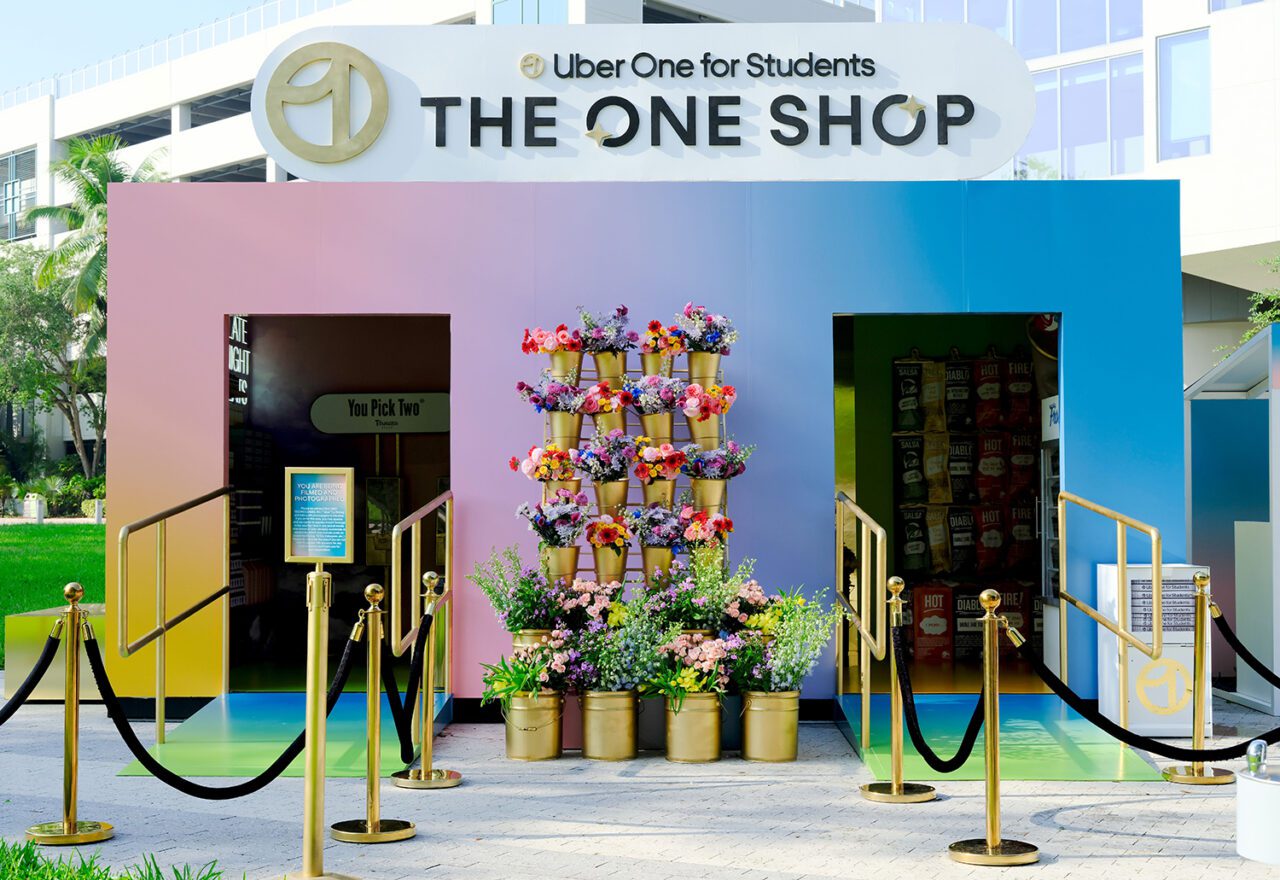
Brand College seal · sourceWhy brands like Draper James are launching college tours · sourceNine More Brands Popping up at College Campuses This Fall · sourceFive Brands Hosting College Campus Pop-ups and Tours this Fall · source