Admit rate has ranged 40%–59% over the last 5 years — notably volatile. Source: IPEDS via Urban Institute.
Acceptance & SAT from Common Data Set / IPEDS; net price, earnings & graduation from the U.S. Dept. of Education College Scorecard. Figures lag ~1–2 years — verify with the school.
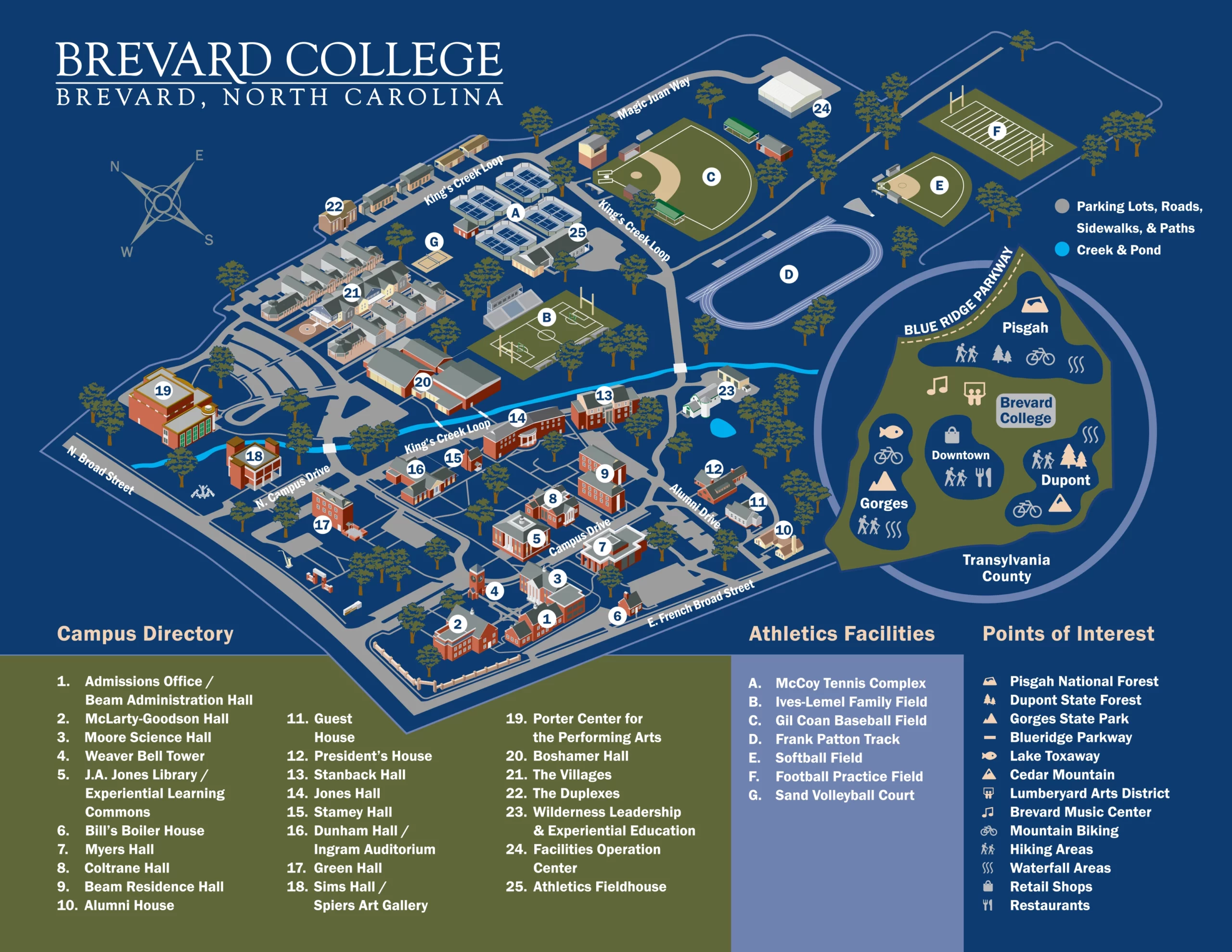
Brevard College is a small, private liberal arts school in the Blue Ridge Mountains that feels more like a rugged, tight-knit summer camp than a traditional campus. It’s a place where the average GPA and SAT scores are modest, the student body is majority male and heavily first-generation, and the focus is intensely personal—the 11:1 faculty ratio means professors work one-on-one with students. The school leans hard into its mountain-town identity, blending outdoor life with a curriculum that includes surprisingly modern twists like Artificial Intelligence Management and Data Analytics.
Admission requirements
Test-optional — scores considered if submitted
Required
High school transcript
Grade point average
College-prep program
Considered (not required)
Test scores (SAT/ACT)
Source: IPEDS Admissions survey (2022) via Urban Institute. Covers formal factors only — it does not reflect essays, extracurriculars, or other holistic criteria.
More details
Undergrad enrollment
815
In-state tuition
$32,280
Out-of-state tuition
$32,280
Graduation Rate
49%
Student-Faculty Ratio
11:1
Median Earnings (10yr)
$43,545
First-Generation Students
27%
First-Year Retention Rate
61%
Students in College Housing
86%
Outcomes & value
Outcomes & value
Median earnings (10 yr)
$43,545
Value (earnings ÷ net price)
1.9×
Median debt at graduation
$25,000
Graduation rate
49%
First-year retention
62%
Reducing loan balance (3 yr)
52%
Pell (lower-income) share
41%
First-gen share (among federal-aid recipients)
29%
Financial health
2.2 / 3.0Meets the federal financial-responsibility standard
U.S. Dept. of Education Financial Responsibility Composite Score (FY2022-23). Scale −1.0 to 3.0; ≥1.5 meets the standard. Reported for private nonprofit & for-profit institutions only — public universities are state-backed and not scored, so this is a stability signal, not a ranking.
Top-earning majors
Median earnings by field of study (highest credential), ~2 years after completion.
Criminal Justice and Corrections$38,289
Multi/Interdisciplinary Studies, Other$33,993
Business Administration, Management and Operations$32,391
Psychology, General$28,236
Parks, Recreation, and Leisure Studies$21,894
Source: U.S. Dept. of Education College Scorecard (field-of-study earnings). Figures cover graduates who received federal aid and lag ~2 years; not all programs report data.
On-campus criminal offenses classed as violent (murder/non-negligent manslaughter, rape, robbery, aggravated assault) for the most recent reported year. Source: U.S. Dept. of Education Campus Safety and Security (Clery Act). Counts reflect what’s reported to the school, and urban campuses often report more partly due to non-student incidents nearby — read alongside campus size and setting, not as a standalone safety verdict.
Climate
Pleasant days / yr
117
Summer high
81°F
Winter low
35°F
Annual rain
67.4"
Annual snow
6.2"
Natural-hazard risk
Relatively Low
Pleasant days counts days per year with a mean temperature of 55–75°F, a high at or below 90°F, a low at or above 45°F, and little precipitation — a transparent comfort measure, not a weighting we invented. Computed from Open-Meteo ERA5 daily history (2019–2023). Natural-hazard risk is the county’s composite rating from the FEMA National Risk Index.
Deep dive — research, future-scholar output & economic mobility▾
Research output
Institutional h-index
32
Scholarly works
162
Institutional research volume and impact from OpenAlex. The h-index reflects large research universities and will be low for teaching-focused liberal-arts colleges — not a measure of undergraduate quality.
Economic mobility
Mobility rate
0.7%
Bottom → top quintile
8%
From bottom quintile
8%
Mobility rate = the share of students who both start in the bottom household-income quintile and reach the top quintile; bottom → top is that chance conditional on starting at the bottom. Source: Opportunity Insights Mobility Report Cards (Chetty, Friedman, Saez, Turner & Yagan). Reflects 1980–82 birth cohorts, so it’s directional, not current.
Quick answers
What is the acceptance rate at Brevard College?
Brevard College's acceptance rate is approximately 42% (Brevard, NC), based on the most recent figures we compiled from public and primary sources.
What SAT score do you need for Brevard College?
Admitted students at Brevard College typically score 870–1220 on the SAT (the middle-50% range). Scores outside this band are still admitted, especially with strong applications.
How much does Brevard College cost?
At Brevard College, the average net price (after aid) is about $23,509 per year. Actual cost varies with financial aid and residency.
How many undergraduates attend Brevard College?
Brevard College enrolls approximately 815 undergraduate students.
Where is Brevard College located?
Brevard College is located in Brevard, NC.
Admissions
Brevard's admissions process is characterized as 'minimally difficult,' with an of 42%. The middle 50% SAT range for admitted students who submit scores is 970–1170, and the average unweighted GPA is 3.20. The school is and notably does not require a recommendation letter for first-year applicants. The student body skews male (57% identify as men, 40% as women, 3% as non-binary), and a significant 27% are college students. There is no information in the provided sources indicating that Brevard College has an Early Decision program, nor is there data on rate or whether demonstrated interest is considered in admissions.
Brevard's academic identity is built on intense personal attention—its student-faculty ratio is 11:1—and a curriculum that mixes traditional liberal arts with pragmatic, contemporary programs. The college emphasizes one-on-one faculty mentorship and 'excellence in teaching.' Popular majors include Business Administration and Management, General, and Criminal Justice/Law. The school also offers distinctive, modern minors and concentrations such as Artificial Intelligence Management, Social Media, and Data Analytics. High-impact educational practices are widely used: 99% of students participate in first-year experiences, 96% in learning communities, and 81% complete a senior capstone project. The focus extends to 'soft skills' like communication and leadership, which the college promotes as essential for employability in any technical field.
Earnings = median of students working ~10 years after entry; debt = median of graduates. Value divides 10-yr earnings by one year’s net price — read it as earnings per dollar of annual cost, not a full lifetime ROI; it favors lower-cost schools. Source: U.S. Dept. of Education College Scorecard. Figures lag ~2 years and reflect all students, not your intended major.
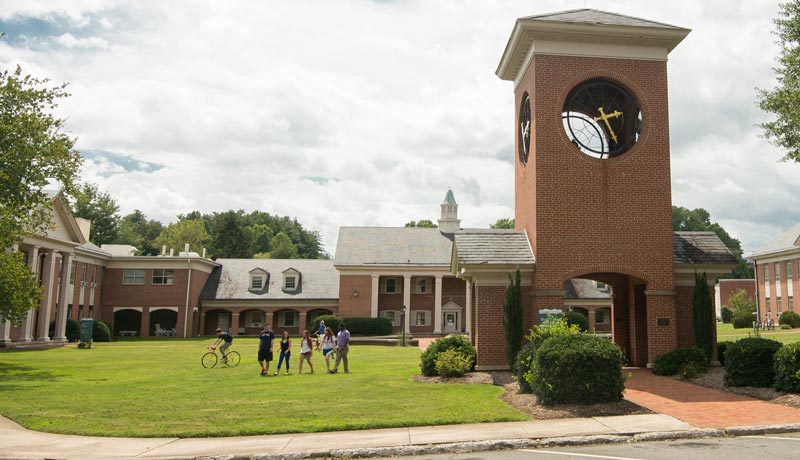
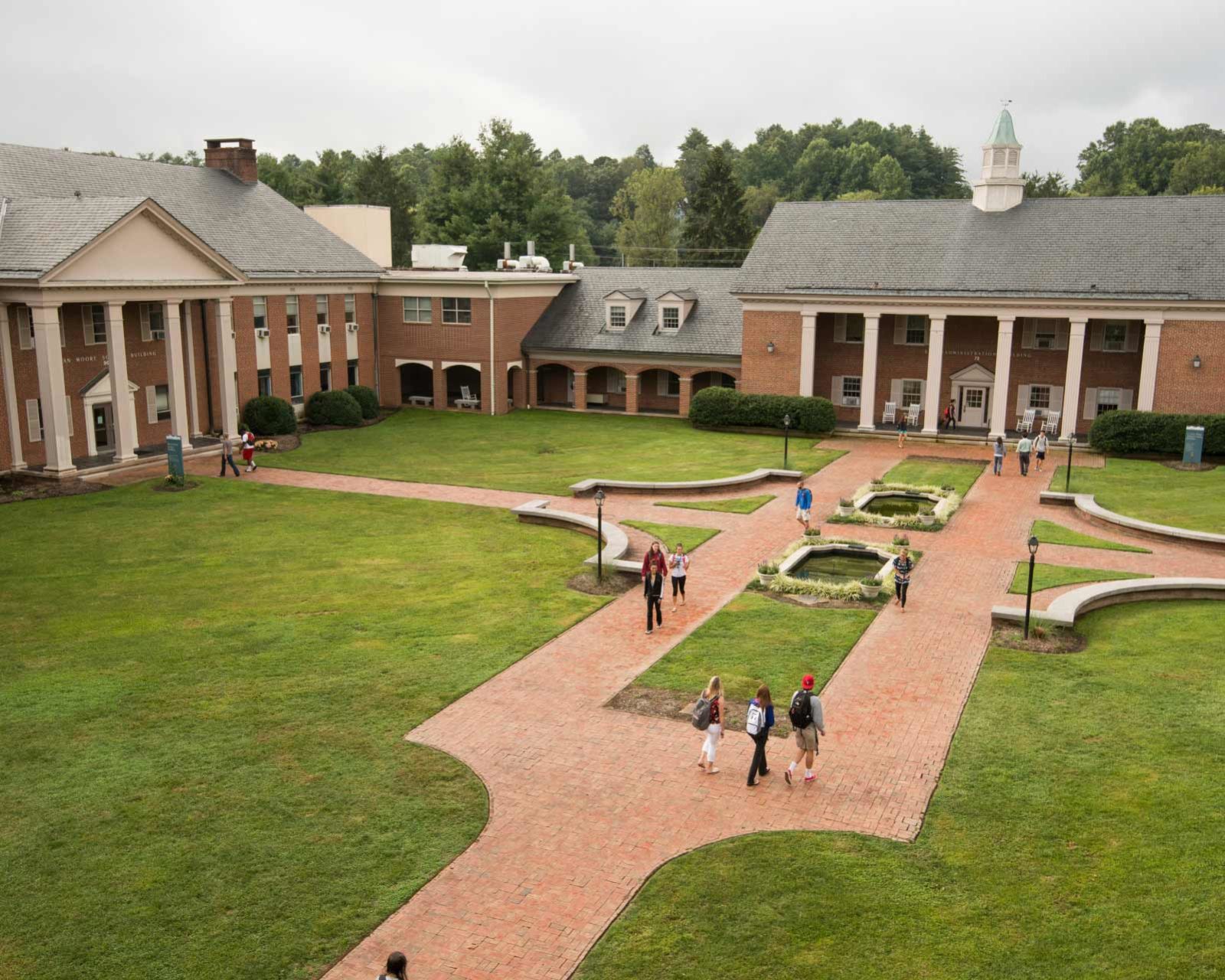
Life at Brevard is defined by its small, close-knit community and its spectacular mountain setting. The campus vibe is described as 'family-like,' with 86% of students living in college-owned, -operated, or -affiliated housing. The Office of Student Activities and Involvement fosters a calendar of social, cultural, intellectual, and recreational events. The college actively promotes a blend of 'academics, athletics, mountains, music & art' as the core of an ideal small-town living and learning environment. Student support services include counseling, spiritual and religious life, career services, and accessibility resources.
Graduation and retention are significant challenges for Brevard College. The first-to-second year retention rate is 61%. The overall graduation rate has been reported as low as 39%, placing the college 'in the bottom 20% nationwide,' with male students graduating at an even lower rate of 31%. The school has stated plans to grow and improve these rates, aiming to drive them up from a reported 40 percent. While the college has been ranked by U.S. News & World Report based on factors including graduation rates and post-graduate earnings, the specific ranking or earnings data is not detailed in the provided sources.
Brevard College is proactive in promoting affordability and aid. According to its own data, 100% of full-time, first-year undergraduates receive grant or scholarship aid. The average aid package is reported to be $27,000. The school provides a Calculator for families to estimate costs and encourages direct contact with the Financial Aid Office for accurate estimates. The financial aid application deadline is August 15. The college's catalog outlines that students must meet academic standards to maintain aid eligibility. The provided sources do not indicate that Brevard College has a 'no-loan' policy or that it meets 100% of demonstrated financial need for all admitted students.
Brevard College stands out for its unapologetically specific identity. It is not trying to be a prestigious, selective liberal arts college; instead, it offers a highly personalized, supportive environment for students who might be overlooked elsewhere—particularly students and those with solid but not stellar academic records. Its 11:1 faculty ratio and emphasis on one-on-one mentorship are its greatest academic assets. The curriculum is surprisingly forward-looking, grafting programs in AI Management and Data Analytics onto a traditional liberal arts core, which speaks to a pragmatic desire to enhance employability. Ultimately, its biggest draw is the complete package: a small, familial campus deeply integrated into the culture and outdoor lifestyle of the Blue Ridge Mountains. It’s a college for students who want their education to be an immersive adventure, both in the classroom and on the trail.
Brevard College seal · sourceBrevard College Campus Map | View & Download | Brevard College · sourceCampus Visit | The Right School for You | Brevard College · sourceUSDA Funds New Residence Hall - Brevard College · source