Loading…
← All schools
BridgeValley Community & Technical College
South Charleston, WVpublicwww.bridgevalley.edu/
Avg net price
$4,565
Earnings (10 yr)
$36,432
Acceptance & SAT from Common Data Set / IPEDS; net price, earnings & graduation from the U.S. Dept. of Education College Scorecard. Figures lag ~1–2 years — verify with the school.
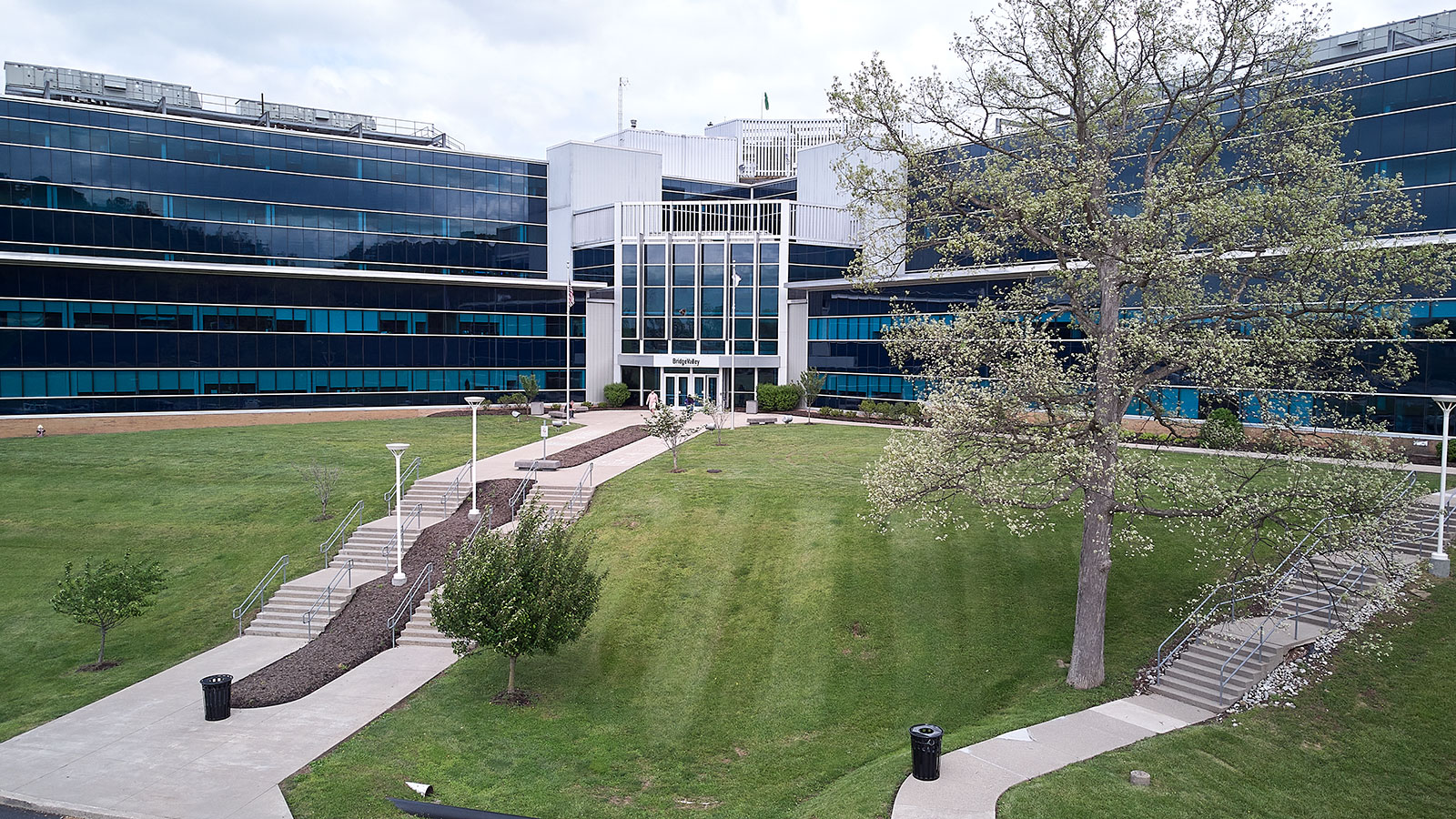
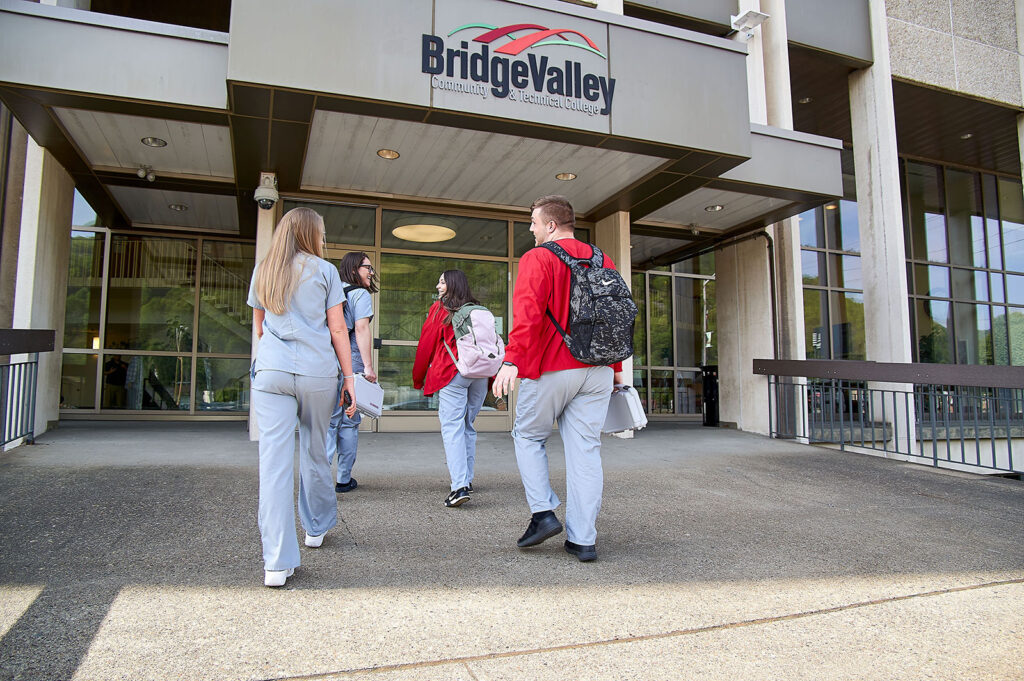
BridgeValley Community & Technical College is a West Virginia institution built on a no-frills, open-access promise: get in, get trained, get to work. With over 50 career-focused programs, from nursing to advanced manufacturing, it operates as a direct pipeline to the regional workforce, prioritizing practical skills and affordability over prestige. This is a college for doers, not dreamers, where the measure of success is a credential, a job, and a manageable debt load.
More details
- Undergrad enrollment
- 1,854
- In-state tuition
- $5,800
- Out-of-state tuition
- $12,428
- Programs Offered
- Over 50 degrees, diplomas & certificates
- 150% Graduation Rate
- 38.93%
- Median Federal Loan Debt at Graduation
- $5,256
- Median Earnings 1 Year After Graduation
- $36,427
Outcomes & value
Outcomes & value
- Median earnings (10 yr)
- $36,432
- Value (earnings ÷ net price)
- 8.0×
- Median debt at graduation
- $9,829
- Reducing loan balance (3 yr)
- 36%
- Pell (lower-income) share
- 47%
- First-gen share (among federal-aid recipients)
- 55%
Earnings = median of students working ~10 years after entry; debt = median of graduates. Value divides 10-yr earnings by one year’s net price — read it as earnings per dollar of annual cost, not a full lifetime ROI; it favors lower-cost schools. Source: U.S. Dept. of Education College Scorecard. Figures lag ~2 years and reflect all students, not your intended major.
Campus & location
Campus safety
- On-campus violent crimes (2024)
- 0
On-campus criminal offenses classed as violent (murder/non-negligent manslaughter, rape, robbery, aggravated assault) for the most recent reported year. Source: U.S. Dept. of Education Campus Safety and Security (Clery Act). Counts reflect what’s reported to the school, and urban campuses often report more partly due to non-student incidents nearby — read alongside campus size and setting, not as a standalone safety verdict.
Climate
- Pleasant days / yr
- 94
- Summer high
- 84°F
- Winter low
- 31°F
- Annual rain
- 48.6"
- Annual snow
- 12"
- Natural-hazard risk
- Relatively High
Pleasant days counts days per year with a mean temperature of 55–75°F, a high at or below 90°F, a low at or above 45°F, and little precipitation — a transparent comfort measure, not a weighting we invented. Computed from Open-Meteo ERA5 daily history (2019–2023). Natural-hazard risk is the county’s composite rating from the FEMA National Risk Index.
Deep dive — research, future-scholar output & economic mobility
Research output
- Institutional h-index
- 15
- Scholarly works
- 99
Institutional research volume and impact from OpenAlex. The h-index reflects large research universities and will be low for teaching-focused liberal-arts colleges — not a measure of undergraduate quality.
Quick answers
- How much does BridgeValley Community & Technical College cost?
- At BridgeValley Community & Technical College, the average net price (after aid) is about $4,565 per year. Actual cost varies with financial aid and residency.
- How many undergraduates attend BridgeValley Community & Technical College?
- BridgeValley Community & Technical College enrolls approximately 1,854 undergraduate students.
- Where is BridgeValley Community & Technical College located?
- BridgeValley Community & Technical College is located in South Charleston, WV.
Admissions
BridgeValley's admissions philosophy is defined by its open door. The college has an open admission policy, meaning there is no minimum GPA requirement for general admission. This is a foundational part of its mission to deliver accessible education. The is 100%, reflecting this policy. For the 1,717 students who applied, 1,717 were accepted, with 1,927 ultimately enrolling (the enrollment number exceeding the acceptance figure suggests it includes students from prior cycles or other pathways).
While the gate is open, students should note that specific programs may have their own requirements, and all applicants must review the admissions criteria for their specific student type (e.g., first-time, transfer, dual enrollment). The process is designed to be a starting point, not a barrier.
Academics
The academic engine at BridgeValley is purely practical. The college offers over 50 academic degrees, diplomas, and certificates organized through six divisions. This isn't a place for abstract theory; it's where you learn to weld, code, nurse, or manage a business. The catalog is a menu of direct-to-career pathways, emphasizing leading-edge technology and dynamic technical education.
Compare BridgeValley Community & Technical College
vs Elizabeth City State Universityvs Alcorn State Universityvs University of Arkansas at Pine Bluffvs Florida Polytechnic University
See colleges similar to BridgeValley Community & Technical College →Sources
- Common Data Set: Home
- Mission and Vision and Values - BridgeValley
- The Common Data Set: What It Is & How to Use It In College ...
- [PDF] Common Data Set 2023-2024 - Chestertown - Washington College
- Demystifying the Common Data Set - Top Tier Admissions
- BridgeValley Community - DFR Report PDF - Department of Education
- Admissions Frequently Asked Questions
- BridgeValley Community & Technical College
- BridgeValley Community & Technical College - South ...
- BridgeValley Community & Technical College Overview