Loading…
← All schools
Brighton Barber Institute
Hurst, TXprivate forprofitbrightonbarber.com
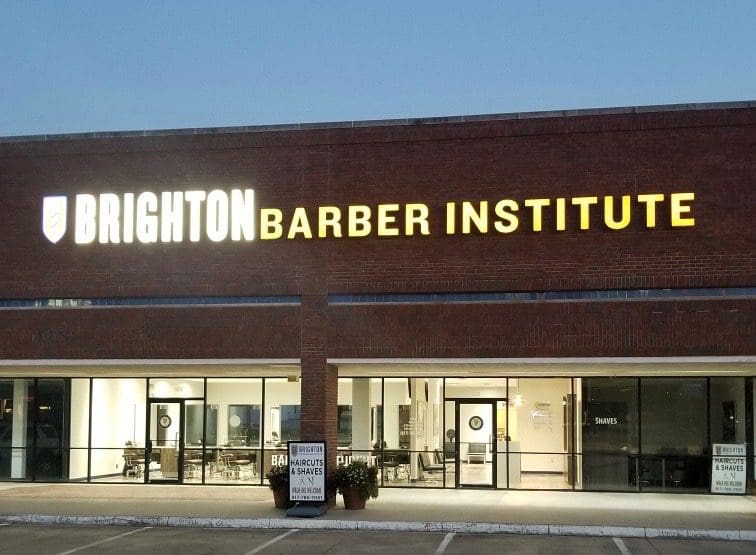
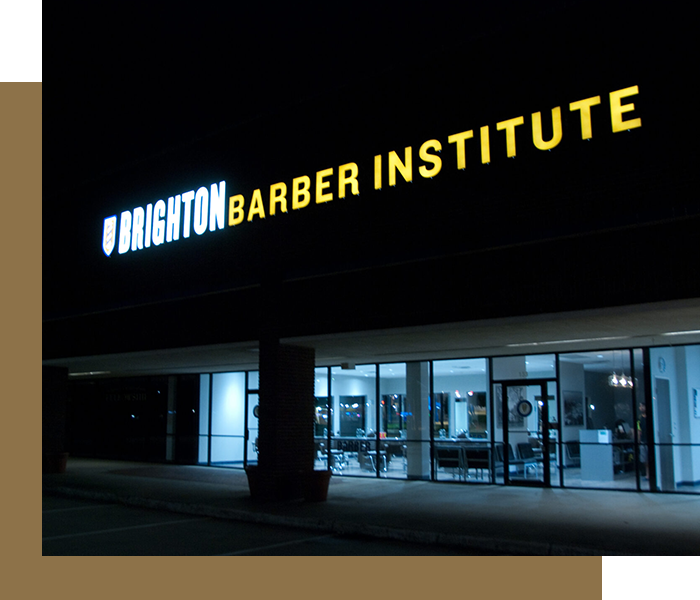
Brighton Barber Institute is not a traditional university but a hyper-focused, career-launching trade school in the Dallas-Fort Worth metroplex. Founded in 2017, it operates with the single-minded efficiency of a high-end barbershop, training a tiny cohort of students (total enrollment: 17) exclusively for the Texas Class A Barber license. Its identity is built on concrete, impressive outcomes: a 100% licensure rate, a 92% graduation rate, and a 95% job placement rate define its value proposition far more than any campus quad.
More details
- Undergrad enrollment
- 17
- Founded
- 2017
- Location
- Hurst, TX (DFW Metroplex)
- Licensure Rate
- 100%
- Graduation Rate
- 92%
- Institution Type
- Private, For-Profit Trade School
- Job Placement Rate
- 95%
- Gender Distribution
- 82.35% Male, 17.65% Female
- Program Flexibility
- Flexible/Rolling Start Dates, Part-Time Options
- Federal Aid Eligible
- Yes (Pell Grants, Loans)
- Single Major Offered
- Barbering/Barber
Outcomes & value
Outcomes & value
- Pell (lower-income) share
- 27%
Earnings = median of students working ~10 years after entry; debt = median of graduates. Value divides 10-yr earnings by one year’s net price — read it as earnings per dollar of annual cost, not a full lifetime ROI; it favors lower-cost schools. Source: U.S. Dept. of Education College Scorecard. Figures lag ~2 years and reflect all students, not your intended major.
Campus & location
Campus safety
- On-campus violent crimes (2024)
- 0
On-campus criminal offenses classed as violent (murder/non-negligent manslaughter, rape, robbery, aggravated assault) for the most recent reported year. Source: U.S. Dept. of Education Campus Safety and Security (Clery Act). Counts reflect what’s reported to the school, and urban campuses often report more partly due to non-student incidents nearby — read alongside campus size and setting, not as a standalone safety verdict.
Climate
- Pleasant days / yr
- 96
- Summer high
- 94°F
- Winter low
- 40°F
- Annual rain
- 35.8"
- Annual snow
- 1.3"
- Natural-hazard risk
- Relatively High
Pleasant days counts days per year with a mean temperature of 55–75°F, a high at or below 90°F, a low at or above 45°F, and little precipitation — a transparent comfort measure, not a weighting we invented. Computed from Open-Meteo ERA5 daily history (2019–2023). Natural-hazard risk is the county’s composite rating from the FEMA National Risk Index.
Quick answers
- How much does Brighton Barber Institute cost?
- At Brighton Barber Institute, the average net price (after aid) is about $30,320 per year. Actual cost varies with financial aid and residency.
- How many undergraduates attend Brighton Barber Institute?
- Brighton Barber Institute enrolls approximately 17 undergraduate students.
- Where is Brighton Barber Institute located?
- Brighton Barber Institute is located in Hurst, TX.
Admissions
The admissions process at Brighton Barber Institute is streamlined and pragmatic, reflecting its mission as a career-focused trade school. All applicants must apply for enrollment online. The institute appears to maintain an open admissions policy for qualified candidates, with one source noting an of 100%. The student body is small and predominantly male; recent data shows a total enrollment of 17 students, with 14 male (82.35%) and 3 female (17.65%). The institute does not require standardized test scores like the SAT or ACT for admission, as its focus is on vocational training. Eligible non-citizens, including DACA and undocumented students who completed high school or a GED within the United States, can apply. The process culminates in an orientation session for accepted students.
Academics
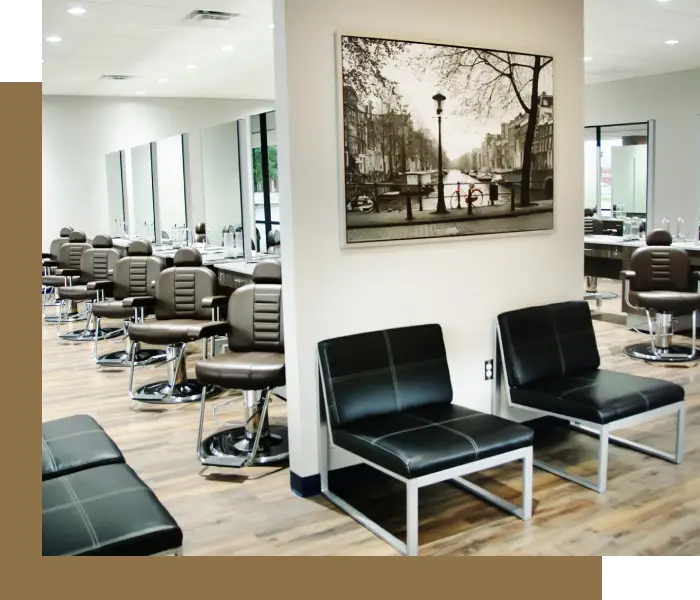
Academic life at BBI is singular and intensive. The institute offers just one major: Barbering/Barber. It describes itself as "the premier Barber school in DFW committed to training our students for a successful career in the grooming industry." The curriculum is laser-focused on preparing every student to pass the Texas Class A Barber licensing exam, a goal it achieves with a reported 100% success rate. Programs are designed for working students, offering flexible scheduling options. On average, about four students complete the program each year. The institute was established in 2017 to provide exemplary training and offers specific tracks including Class A Barber, Operator to Class A Barber, and Instructor programs. Its pedagogy is hands-on and professional, conducted in a modern facility.
Compare Brighton Barber Institute
See colleges similar to Brighton Barber Institute →Sources
- Common Data Set: Home
- The Common Data Set: What It Is & How to Use It In ...
- Common Data Set 2024-2025
- Common Data Set Guide: Use it to Find the Right College
- Where to find Common Data Set (CDS) for college ...
- Unlocking College Admissions: The Power of the Common ...
- Institution Data Profile - Brighton Barber Institute
- Class A Barber
- Student Distribution Statistics for Brighton Barber Institute
- Premier Barber Institute Admissions - BigFuture College Search
- Top of the Line Barber School