Loading…
← All schools
Bryan University
Springfield, MOprivate forprofitwww.bryanu.edu/
Avg net price
$20,053
Earnings (10 yr)
$28,725
Graduation rate
90%
Acceptance & SAT from Common Data Set / IPEDS; net price, earnings & graduation from the U.S. Dept. of Education College Scorecard. Figures lag ~1–2 years — verify with the school.
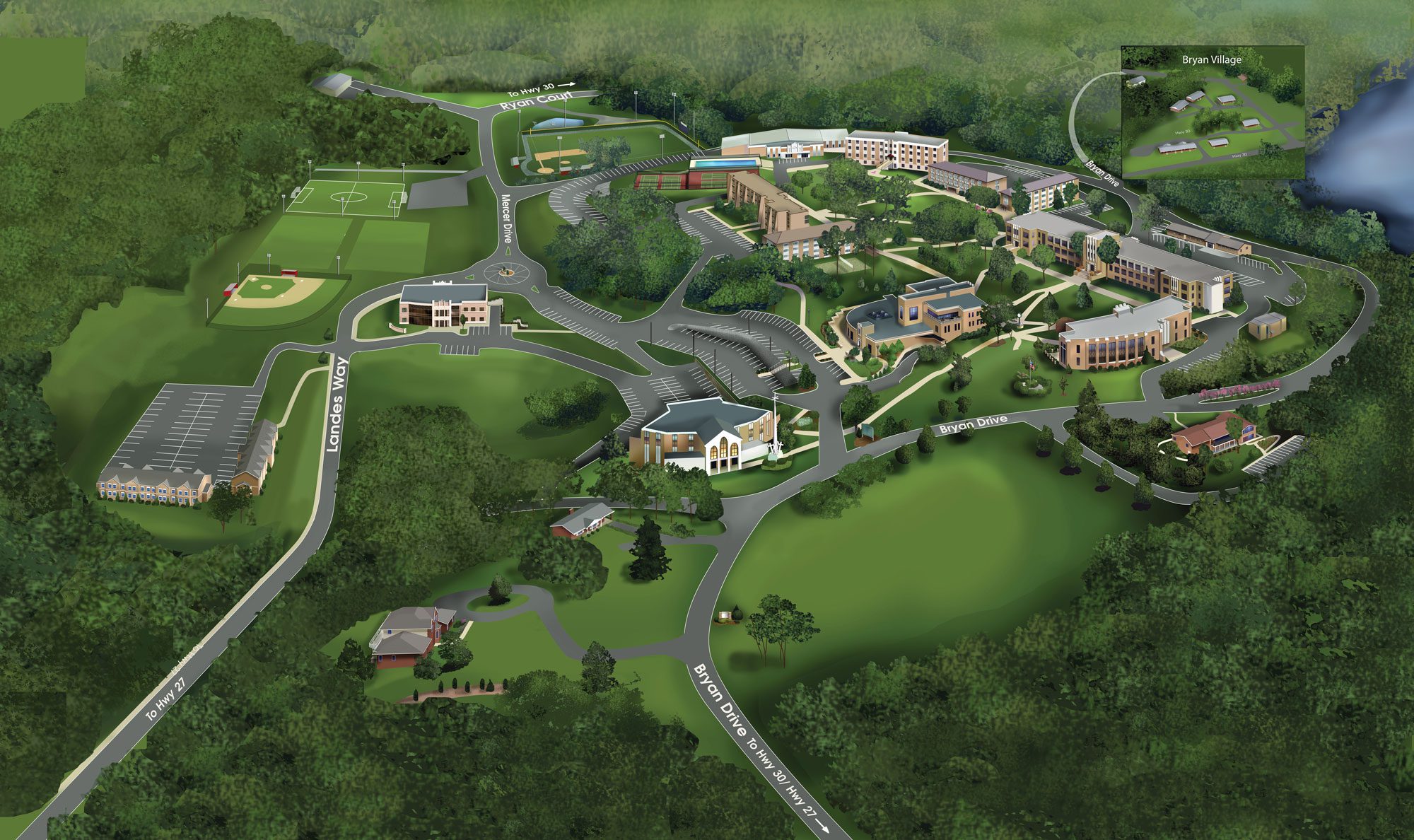
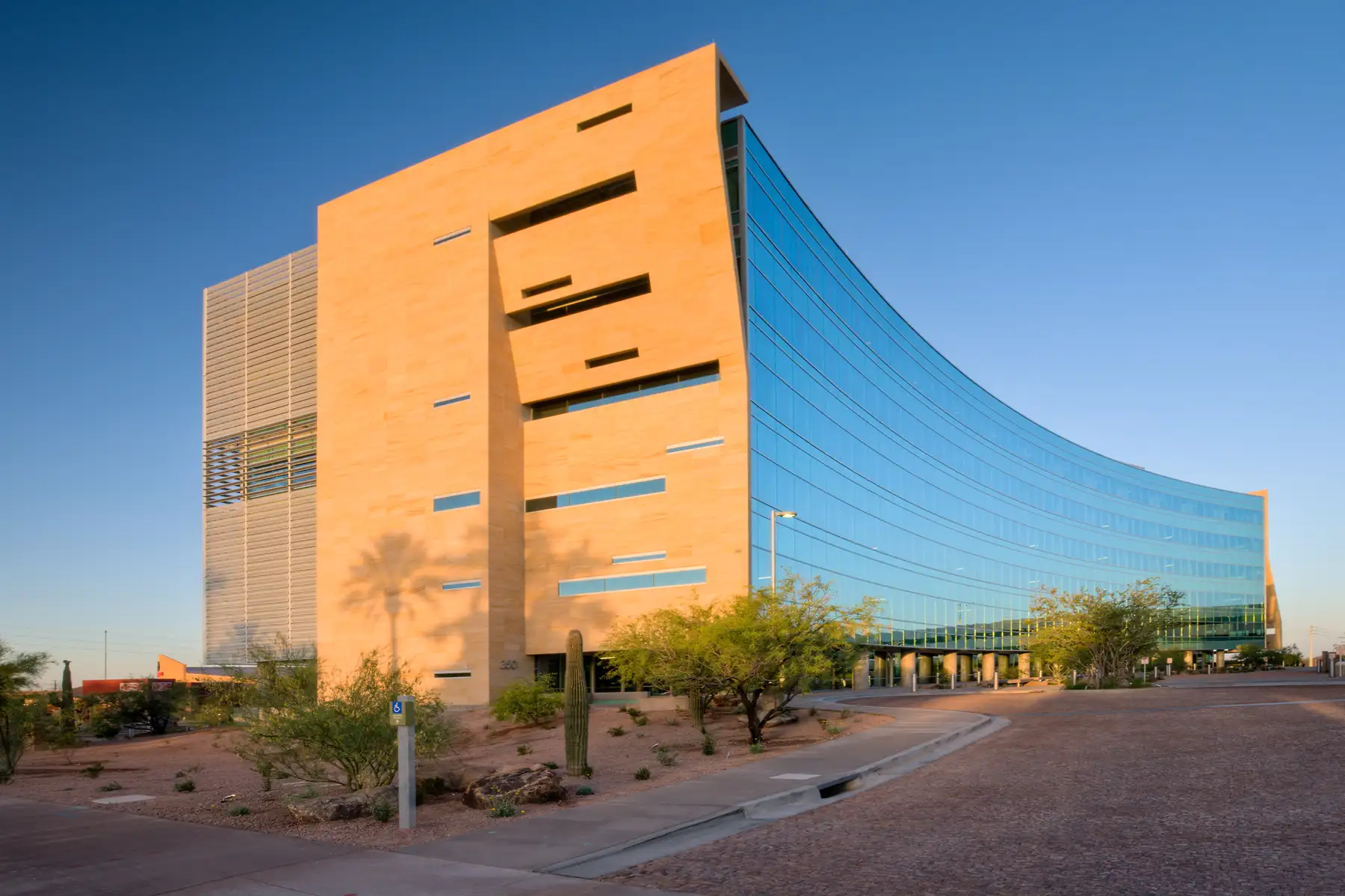
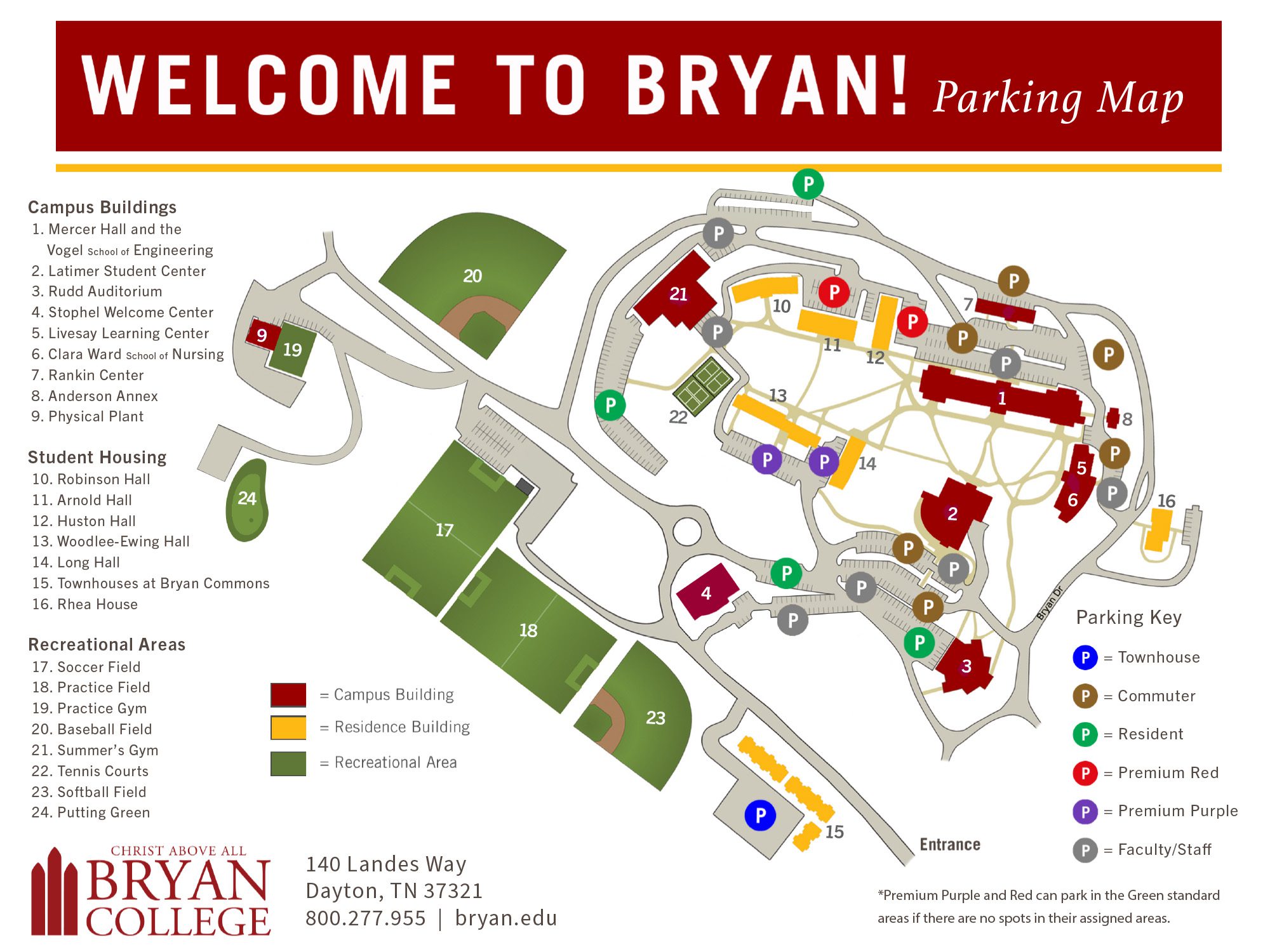
Bryan University operates on a distinct, bifurcated model: it's a small, private Christian residential college in Dayton, Tennessee, with a traditional liberal arts focus, and a separate, primarily online institution based in Tempe, Arizona (and Springfield, Missouri), offering career-oriented certificates and degrees. This creates a dual identity—one steeped in faith-based community and biblical worldview, the other in practical, skills-based online education aimed at direct career placement. Navigating its offerings requires careful attention to which 'Bryan' you're actually considering.
More details
- Undergrad enrollment
- 144
- In-state tuition
- $15,868
- Out-of-state tuition
- $15,868
- Graduation Rate
- 90%
- Median Earnings (10yr)
- $28,725
- Gender Distribution (Bryan College)
- 46.7% Male, 53.3% Female
- Primary Academic Focus (Bryan College)
- Business Majors (~70% of students)
- Student-Faculty Ratio (Bryan University)
- 25:1
Outcomes & value
Outcomes & value
- Median earnings (10 yr)
- $28,725
- Value (earnings ÷ net price)
- 1.4×
- Median debt at graduation
- $22,764
- Graduation rate
- 90%
- Reducing loan balance (3 yr)
- 18%
- Pell (lower-income) share
- 84%
- First-gen share (among federal-aid recipients)
- 60%
Earnings = median of students working ~10 years after entry; debt = median of graduates. Value divides 10-yr earnings by one year’s net price — read it as earnings per dollar of annual cost, not a full lifetime ROI; it favors lower-cost schools. Source: U.S. Dept. of Education College Scorecard. Figures lag ~2 years and reflect all students, not your intended major.
Financial health
1.8 / 3.0Meets the federal financial-responsibility standard
U.S. Dept. of Education Financial Responsibility Composite Score (FY2022-23). Scale −1.0 to 3.0; ≥1.5 meets the standard. Reported for private nonprofit & for-profit institutions only — public universities are state-backed and not scored, so this is a stability signal, not a ranking.
Top-earning majors
Median earnings by field of study (highest credential), ~2 years after completion.
- Business Administration, Management and Operations$28,309
- Health and Medical Administrative Services$25,967
Source: U.S. Dept. of Education College Scorecard (field-of-study earnings). Figures cover graduates who received federal aid and lag ~2 years; not all programs report data.
Compare on earnings: best colleges for Business
Campus & location
Campus safety
- On-campus violent crimes (2024)
- 0
- Per 1,000 students
- 0.00
On-campus criminal offenses classed as violent (murder/non-negligent manslaughter, rape, robbery, aggravated assault) for the most recent reported year. Source: U.S. Dept. of Education Campus Safety and Security (Clery Act). Counts reflect what’s reported to the school, and urban campuses often report more partly due to non-student incidents nearby — read alongside campus size and setting, not as a standalone safety verdict.
Climate
- Pleasant days / yr
- 83
- Summer high
- 87°F
- Winter low
- 29°F
- Annual rain
- 48.9"
- Annual snow
- 11.8"
- Natural-hazard risk
- Relatively Moderate
Pleasant days counts days per year with a mean temperature of 55–75°F, a high at or below 90°F, a low at or above 45°F, and little precipitation — a transparent comfort measure, not a weighting we invented. Computed from Open-Meteo ERA5 daily history (2019–2023). Natural-hazard risk is the county’s composite rating from the FEMA National Risk Index.
Quick answers
- How much does Bryan University cost?
- At Bryan University, the average net price (after aid) is about $20,053 per year. Actual cost varies with financial aid and residency.
- How many undergraduates attend Bryan University?
- Bryan University enrolls approximately 144 undergraduate students.
- Where is Bryan University located?
- Bryan University is located in Springfield, MO.
Admissions
The admissions landscape at Bryan is sharply divided between its two primary entities. For the residential Bryan College in Dayton, TN, the process is selective but accessible. Sources report an of 97.2%, characterizing it as "nearly open admissions." The college sets clear academic benchmarks, aiming for the 75th percentile or above in tested majors, with a minimal threshold at the 50th percentile. For applicants, a minimum ACT score of 18, an RSAT of 960, or a CLT score of 61 is cited as a baseline requirement. There is no available data on Early Decision or Early Action programs specific to Bryan College, and sources indicate that acceptance rate information for the online Bryan University is sometimes listed as "not available," though other sources report a 100% acceptance rate. The admissions point of contact for the online university is listed as [email protected]. While sources discuss the as a standard for admissions reporting, no specific CDS data for Bryan University (online) or Bryan College detailing factors like demonstrated interest is provided in the given snippets.
Compare Bryan University
See colleges similar to Bryan University →Sources
- Student Achievement and Institutional Data - Dayton
- Common Data Set | Office of Institutional Research
- Decoding the Common Data Set What You Need to Know for ...
- Common Data Set: Home
- Request Information | Bryan University Online©
- Common Data Set 2021-2022
- Bryan College SAT Scores and GPA
- Bryan University Admissions - BigFuture College Search
- Bryan University Tuition, Acceptance Rate, & Academics - Sallie
- Bryan University - Tempe & Online - Niche
- Bryan College - Degree Programs, Accreditation, Applying, Tuition ...