Loading…
← All schools
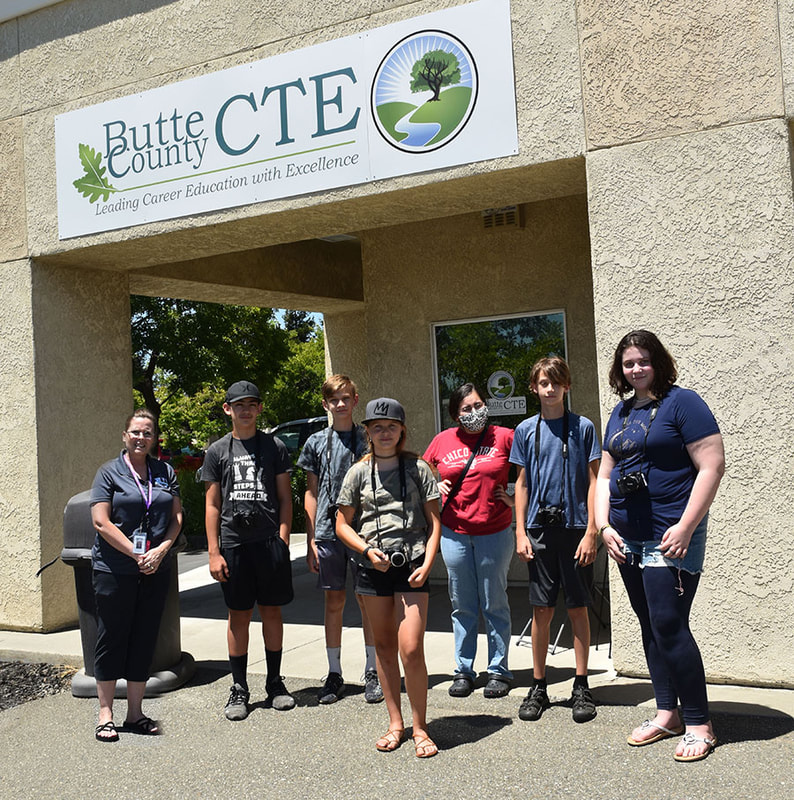
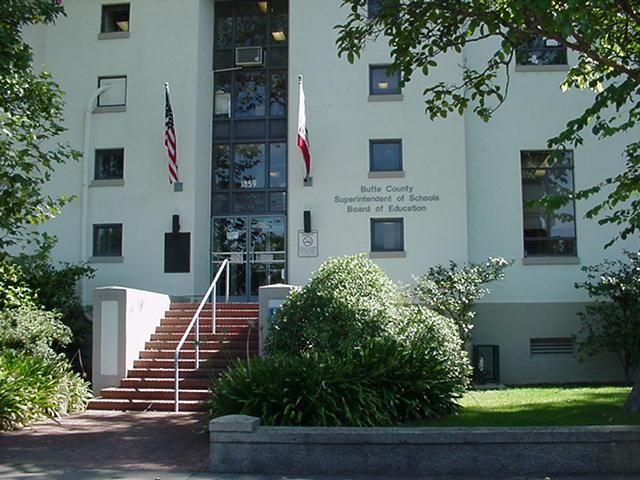
Butte County Regional Occupational Program
Chico, CApubliccte.bcoe.org/
Butte County Regional Occupational Program is a singular, no-nonsense institution that operates on a fundamentally different model than traditional colleges. It’s a direct pipeline to skilled trades and specific certifications, offering competency-based training in fields like phlebotomy and dental assisting with a 100% acceptance rate and a laser focus on immediate job readiness. Forget dorm life and football games; this is about hands-on skills, industry-standard equipment, and a fast track from the classroom to a paycheck.
More details
- Undergrad enrollment
- 41
- Popular Majors
- Phlebotomy Technician, Dental Assisting, Veterinary Assisting
- Student-Faculty Ratio
- 9:1
- First-Year Retention Rate
- 66.7%
- Graduation Rate (150% time)
- 87.5%
- % Students Receiving Grant Aid
- 89%
Outcomes & value
Outcomes & value
- Pell (lower-income) share
- 49%
Earnings = median of students working ~10 years after entry; debt = median of graduates. Value divides 10-yr earnings by one year’s net price — read it as earnings per dollar of annual cost, not a full lifetime ROI; it favors lower-cost schools. Source: U.S. Dept. of Education College Scorecard. Figures lag ~2 years and reflect all students, not your intended major.
Campus & location
Campus safety
- On-campus violent crimes (2024)
- 0
On-campus criminal offenses classed as violent (murder/non-negligent manslaughter, rape, robbery, aggravated assault) for the most recent reported year. Source: U.S. Dept. of Education Campus Safety and Security (Clery Act). Counts reflect what’s reported to the school, and urban campuses often report more partly due to non-student incidents nearby — read alongside campus size and setting, not as a standalone safety verdict.
Climate
- Pleasant days / yr
- 98
- Summer high
- 98°F
- Winter low
- 41°F
- Annual rain
- 27.6"
- Annual snow
- 2.2"
- Natural-hazard risk
- Relatively Moderate
Pleasant days counts days per year with a mean temperature of 55–75°F, a high at or below 90°F, a low at or above 45°F, and little precipitation — a transparent comfort measure, not a weighting we invented. Computed from Open-Meteo ERA5 daily history (2019–2023). Natural-hazard risk is the county’s composite rating from the FEMA National Risk Index.
Quick answers
- How much does Butte County Regional Occupational Program cost?
- At Butte County Regional Occupational Program, the average net price (after aid) is about $15,737 per year. Actual cost varies with financial aid and residency.
- How many undergraduates attend Butte County Regional Occupational Program?
- Butte County Regional Occupational Program enrolls approximately 41 undergraduate students.
- Where is Butte County Regional Occupational Program located?
- Butte County Regional Occupational Program is located in Chico, CA.
Admissions
The admissions process here is refreshingly straightforward and devoid of the high-stakes anxiety of four-year colleges. There is no , no essays about personal growth, and no SAT scores. Selection is based on an application and an interview, with program applications accessible online. The is universally reported as 100%, reflecting the program's mission to provide access to career education. There is no mention of Early Decision, demonstrated interest, or rates in the provided sources—this is a vocational program, not a selective liberal arts college. The focus is on a student's readiness and interest in the specific trade, not on building a diverse freshman class.
- Application Process: Application and interview.
- Acceptance Rate: 100%.
- Standardized Tests: Not required or considered.
- Early Decision: Not applicable.
- Demonstrated Interest: Not a factor.
Compare Butte County Regional Occupational Program
vs Oregon State University-Cascades Campusvs New Mexico Institute of Mining and Technologyvs University of Alaska Southeastvs University of Hawaii at Hilo
See colleges similar to Butte County Regional Occupational Program →Sources
- [PDF] 2025-2026 ROP Student Handbook - Butte County CTE - BCOE
- Data Feedback Reports - IPEDS - Department of Education
- Common Data Set: Home
- Butte County Regional Occupational Program - Niche
- District Profile: Butte County ROP - California Department of Education
- Butte County Regional Occupational Program - Ibex Insights
- Butte County Regional Occupational Program - Institution Data Profile
- [PDF] 2024-2025 Student Handbook - Butte County CTE - BCOE
- Butte County Regional Occupational Program - Scholarships.com
- Butte County Regional Occupational Program Admission and Test ...