Loading…
← All schools
California Barber and Beauty College
San Diego, CAprivate forprofitcaliforniabarberbeautycollege.com
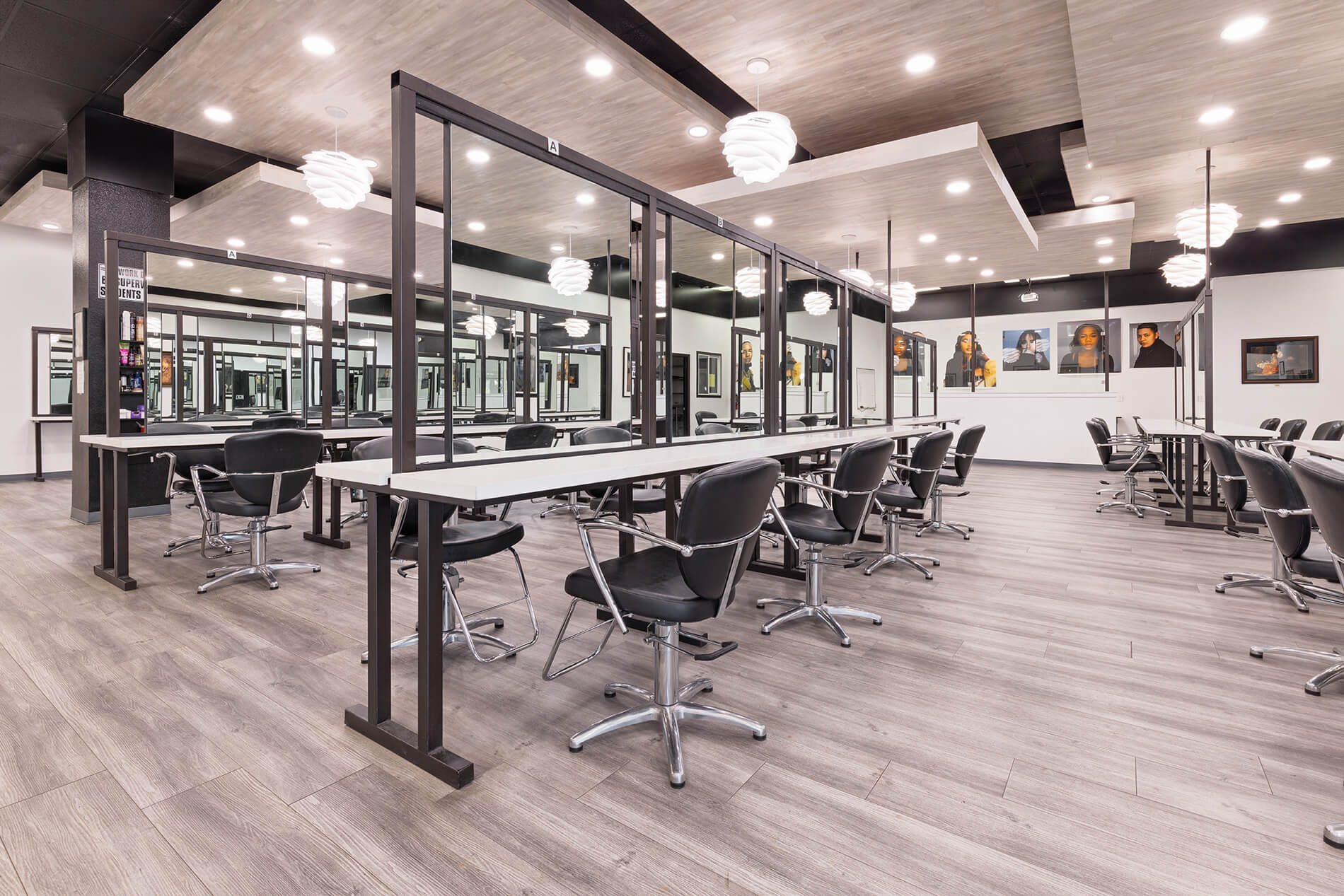
California Barber and Beauty College is a hyper-focused, single-purpose trade school in San Diego that exists to turn out licensed barbers, period. With an open-door admissions policy and a student body that is predominantly Hispanic, it operates with the no-nonsense efficiency of a vocational bootcamp. This isn't a place for a traditional college experience; it's a direct pipeline into a skilled trade, where success is measured by the state board exam pass rate and job placement, not by graduation ceremonies or campus clubs.
More details
- Undergrad enrollment
- 50
- Student Population
- 61 undergraduates
- Single Major Offered
- Barbering/Barber
- Graduation Rate (6-year)
- 59%
- Student-to-Faculty Ratio
- 25:1
- Demographic (Largest Group)
- 64% Hispanic or Latino
- State Board Written Exam Pass Rate
- 81%
Outcomes & value
Outcomes & value
- Pell (lower-income) share
- 63%
- First-gen share (among federal-aid recipients)
- 65%
Earnings = median of students working ~10 years after entry; debt = median of graduates. Value divides 10-yr earnings by one year’s net price — read it as earnings per dollar of annual cost, not a full lifetime ROI; it favors lower-cost schools. Source: U.S. Dept. of Education College Scorecard. Figures lag ~2 years and reflect all students, not your intended major.
Campus & location
Campus safety
- On-campus violent crimes (2024)
- 0
On-campus criminal offenses classed as violent (murder/non-negligent manslaughter, rape, robbery, aggravated assault) for the most recent reported year. Source: U.S. Dept. of Education Campus Safety and Security (Clery Act). Counts reflect what’s reported to the school, and urban campuses often report more partly due to non-student incidents nearby — read alongside campus size and setting, not as a standalone safety verdict.
Climate
- Pleasant days / yr
- 254
- Summer high
- 80°F
- Winter low
- 47°F
- Annual rain
- 12.8"
- Natural-hazard risk
- Very High
Pleasant days counts days per year with a mean temperature of 55–75°F, a high at or below 90°F, a low at or above 45°F, and little precipitation — a transparent comfort measure, not a weighting we invented. Computed from Open-Meteo ERA5 daily history (2019–2023). Natural-hazard risk is the county’s composite rating from the FEMA National Risk Index.
Quick answers
- How much does California Barber and Beauty College cost?
- At California Barber and Beauty College, the average net price (after aid) is about $11,391 per year. Actual cost varies with financial aid and residency.
- How many undergraduates attend California Barber and Beauty College?
- California Barber and Beauty College enrolls approximately 50 undergraduate students.
- Where is California Barber and Beauty College located?
- California Barber and Beauty College is located in San Diego, CA.
Admissions
The admissions process at California Barber and Beauty College is defined by its accessibility. The school maintains an open admission policy, with a reported of 100%. This means the primary barrier to entry is not academic competition, but a prospective student's commitment to pursuing the trade. The institution does not require or consider SAT or ACT scores for admission. The enrolled student population reflects the diverse, urban community of San Diego, with 64% of students identifying as Hispanic or Latino, 18% as White, and 12% as Asian. The process is streamlined and vocational: you apply to learn a skill, not to gain admission to a selective institution.
Academics
Academic life here is singular and intense: there is exactly one program of study. Every student is enrolled in the Barbering/Barber major, with the college awarding an average of 47 degrees in this field annually. The curriculum is designed to meet the California state licensing requirement, which involves a minimum of 1,000 hours of training, though some schools may require more. The student-to-faculty ratio is 25:1, suggesting a hands-on, workshop-style learning environment typical of trade schools. The institution has met national standards of educational performance established by an impartial nongovernmental accrediting agency. The entire academic model is a direct preparation for the state board licensing exam, with no electives, general education requirements, or alternative majors to consider.
Compare California Barber and Beauty College
vs Caltechvs New Mexico Institute of Mining and Technologyvs Westmont Collegevs Concordia University-Irvine
See colleges similar to California Barber and Beauty College →Sources
- Common Data Set | Pomona College in Claremont, California
- Common Data Set 2024-2025 - Office of Institutional Research
- Institution Data Profile - California Barber and Beauty College
- Common Data Set: Home
- California Barber and Beauty College
- Common Data Set 2024-2025 - Institutional Research Office
- California Barber and Beauty College - Niche
- California Barber And Beauty College Acceptance Rate, SAT, GPA ...
- California Barber And Beauty College Admissions - BigFuture
- California Barber and Beauty College