Loading…
← All schools
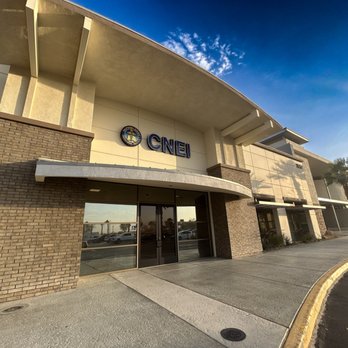
California Nurses Educational Institute
Rancho Mirage, CAprivate forprofitcnei.edu
Avg net price
$23,231
Earnings (10 yr)
$46,895
Acceptance & SAT from Common Data Set / IPEDS; net price, earnings & graduation from the U.S. Dept. of Education College Scorecard. Figures lag ~1–2 years — verify with the school.
California Nurses Educational Institute is not a traditional university but a private, for-profit vocational school laser-focused on funneling students into specific healthcare jobs. With an open admission policy and a curriculum built around short-term, state-approved certifications, CNEI operates as a pragmatic, no-frills pipeline into the nursing workforce of the Coachella Valley. Its identity is defined by accessibility, speed, and direct career outcomes, not by campus life or a broad liberal arts education.
More details
- Undergrad enrollment
- 200
- Popular Majors
- Licensed Practical/Vocational Nurse Training, Nursing Assistant, Health Aides
- Placement Rate (CNA, 2024)
- 78% employed in field
- Median Earnings 1yr After Graduation
- $44,319
- Median Earnings 5yrs After Graduation
- $46,829
Outcomes & value
Outcomes & value
- Median earnings (10 yr)
- $46,895
- Value (earnings ÷ net price)
- 2.0×
- Median debt at graduation
- $16,941
- Reducing loan balance (3 yr)
- 40%
- Pell (lower-income) share
- 57%
- First-gen share (among federal-aid recipients)
- 58%
Earnings = median of students working ~10 years after entry; debt = median of graduates. Value divides 10-yr earnings by one year’s net price — read it as earnings per dollar of annual cost, not a full lifetime ROI; it favors lower-cost schools. Source: U.S. Dept. of Education College Scorecard. Figures lag ~2 years and reflect all students, not your intended major.
Financial health
2.3 / 3.0Meets the federal financial-responsibility standard
U.S. Dept. of Education Financial Responsibility Composite Score (FY2022-23). Scale −1.0 to 3.0; ≥1.5 meets the standard. Reported for private nonprofit & for-profit institutions only — public universities are state-backed and not scored, so this is a stability signal, not a ranking.
Campus & location
Campus safety
- On-campus violent crimes (2024)
- 0
On-campus criminal offenses classed as violent (murder/non-negligent manslaughter, rape, robbery, aggravated assault) for the most recent reported year. Source: U.S. Dept. of Education Campus Safety and Security (Clery Act). Counts reflect what’s reported to the school, and urban campuses often report more partly due to non-student incidents nearby — read alongside campus size and setting, not as a standalone safety verdict.
Climate
- Pleasant days / yr
- 145
- Summer high
- 106°F
- Winter low
- 52°F
- Annual rain
- 8.7"
- Natural-hazard risk
- Very High
Pleasant days counts days per year with a mean temperature of 55–75°F, a high at or below 90°F, a low at or above 45°F, and little precipitation — a transparent comfort measure, not a weighting we invented. Computed from Open-Meteo ERA5 daily history (2019–2023). Natural-hazard risk is the county’s composite rating from the FEMA National Risk Index.
Quick answers
- How much does California Nurses Educational Institute cost?
- At California Nurses Educational Institute, the average net price (after aid) is about $23,231 per year. Actual cost varies with financial aid and residency.
- How many undergraduates attend California Nurses Educational Institute?
- California Nurses Educational Institute enrolls approximately 200 undergraduate students.
- Where is California Nurses Educational Institute located?
- California Nurses Educational Institute is located in Rancho Mirage, CA.
Admissions
CNEI operates on an open admission policy, meaning it accepts virtually all applicants who have completed high school or its equivalent. Multiple sources confirm its is 100%, a stark contrast to the selective admissions of traditional four-year colleges. There is no mention of standardized test scores (SAT/ACT) being required or reported for admission. The application deadline is rolling, allowing for continuous enrollment. The process is designed for accessibility, not selectivity, targeting career-changers and local residents seeking a fast track into healthcare.
- Acceptance Rate: 100% (open admission)
- Application Deadline: Rolling
- Standardized Tests: Not reported/required
The institute's model is about filling seats in its vocational programs, not curating a competitive applicant pool. This fundamentally shapes the student body, which is comprised of those seeking specific, practical credentials.
Academics
Compare California Nurses Educational Institute
vs The College of Idahovs Northwest Nazarene Universityvs University of Alaska Southeastvs Arizona Christian University
See colleges similar to California Nurses Educational Institute →Sources
- [PDF] Common Data Set 2022-2023 | Scripps College
- Common Data Set: Home
- Common Data Set - GradGPT
- Common Data Set | Pomona College in Claremont, California
- Decoding the Common Data Set What You Need to Know for Your ...
- Common Data Set | Office of Decision Support | UNLV Information ...
- California Nurses Educational Institute - College Decoded
- California Nurses Educational Institute Statistics | Overgrad
- CNI College Admissions & Acceptance - Niche
- California Nurses Educational Institute
- [PDF] On-time Completion Rates (Graduation Rates) Students Completing ...