Loading…
← All schools
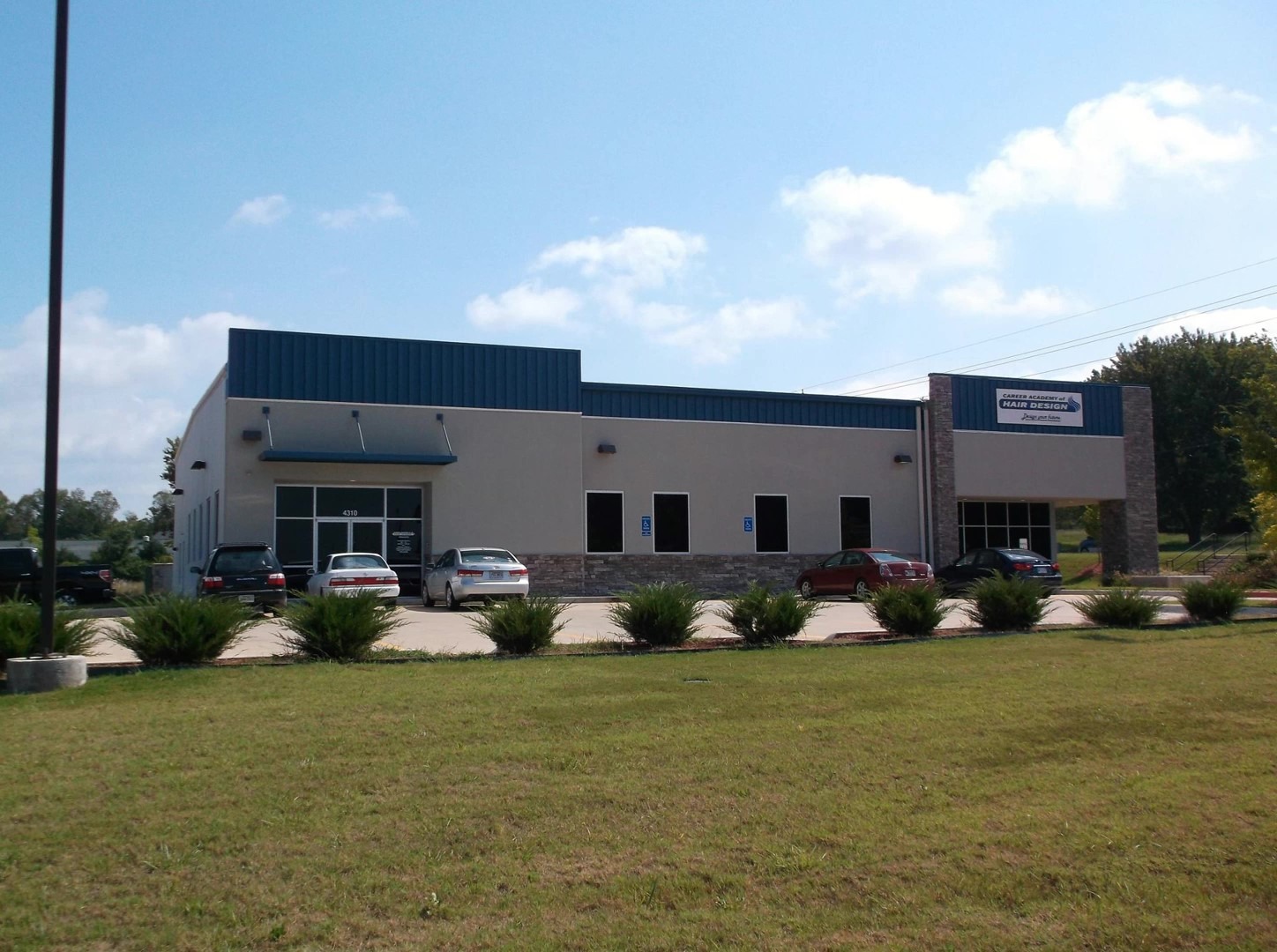
Career Academy of Hair Design
Springdale, ARprivate forprofitwww.beautynwa.com/
Avg net price
$12,728
Earnings (10 yr)
$21,567
Acceptance & SAT from Common Data Set / IPEDS; net price, earnings & graduation from the U.S. Dept. of Education College Scorecard. Figures lag ~1–2 years — verify with the school.
Career Academy of Hair Design is a singular, purpose-built institution where the admissions process is refreshingly straightforward and the curriculum is laser-focused on a single outcome: launching careers in the beauty industry. This is not a liberal arts college; it's a trade school with a modern, practical ethos, serving a diverse student body in Northwest Arkansas. Students come here for a direct, hands-on education in cosmetology and related fields, graduating in under a year into a specific, skilled trade.
More details
- Undergrad enrollment
- 245
- Popular Majors
- Cosmetology
- Graduation Rate
- 73%
- Median Earnings (10yr)
- $21,567
- First-Year Retention Rate
- 59%
- Students Receiving Grant/Scholarship Aid
- 81%
Outcomes & value
Outcomes & value
- Median earnings (10 yr)
- $21,567
- Value (earnings ÷ net price)
- 1.7×
- Median debt at graduation
- $6,365
- Reducing loan balance (3 yr)
- 37%
- Pell (lower-income) share
- 69%
- First-gen share (among federal-aid recipients)
- 61%
Earnings = median of students working ~10 years after entry; debt = median of graduates. Value divides 10-yr earnings by one year’s net price — read it as earnings per dollar of annual cost, not a full lifetime ROI; it favors lower-cost schools. Source: U.S. Dept. of Education College Scorecard. Figures lag ~2 years and reflect all students, not your intended major.
Financial health
3.0 / 3.0Meets the federal financial-responsibility standard
U.S. Dept. of Education Financial Responsibility Composite Score (FY2022-23). Scale −1.0 to 3.0; ≥1.5 meets the standard. Reported for private nonprofit & for-profit institutions only — public universities are state-backed and not scored, so this is a stability signal, not a ranking.
Campus & location
Campus safety
- On-campus violent crimes (2024)
- 0
On-campus criminal offenses classed as violent (murder/non-negligent manslaughter, rape, robbery, aggravated assault) for the most recent reported year. Source: U.S. Dept. of Education Campus Safety and Security (Clery Act). Counts reflect what’s reported to the school, and urban campuses often report more partly due to non-student incidents nearby — read alongside campus size and setting, not as a standalone safety verdict.
Climate
- Pleasant days / yr
- 84
- Summer high
- 88°F
- Winter low
- 32°F
- Annual rain
- 51.3"
- Annual snow
- 8.4"
- Natural-hazard risk
- Relatively Moderate
Pleasant days counts days per year with a mean temperature of 55–75°F, a high at or below 90°F, a low at or above 45°F, and little precipitation — a transparent comfort measure, not a weighting we invented. Computed from Open-Meteo ERA5 daily history (2019–2023). Natural-hazard risk is the county’s composite rating from the FEMA National Risk Index.
Quick answers
- How much does Career Academy of Hair Design cost?
- At Career Academy of Hair Design, the average net price (after aid) is about $12,728 per year. Actual cost varies with financial aid and residency.
- How many undergraduates attend Career Academy of Hair Design?
- Career Academy of Hair Design enrolls approximately 245 undergraduate students.
- Where is Career Academy of Hair Design located?
- Career Academy of Hair Design is located in Springdale, AR.
Admissions
The admissions philosophy at Career Academy of Hair Design is defined by accessibility and a focus on basic eligibility over academic competition. The school has an open admission policy, meaning all applicants who meet the foundational requirements are accepted. This results in a 100% acceptance rate. The gatekeepers are not test scores or GPAs—SAT/ACT scores are not part of the policy—but rather legal and practical prerequisites: applicants must be at least 17 years old and be a U.S. citizen or permanent resident, with approved documentation to verify both. The process is a direct conduit for anyone, regardless of prior academic record, who is serious about entering the beauty profession. The enrolled student population reflects this open-door approach, with a diverse mix that includes 63.3% White, 19.2% Hispanic or Latino, and 7.76% Black or African American students.
Academics
Academic life here is intensely concentrated and vocational. The school offers . On average, about with this degree annually. The program encompasses the full spectrum of beauty services, with practical training in . The curriculum is designed for speed and efficiency, with programs structured so students can . This focus is reflected in the school's outcomes: the , while the . The workload is hands-on and practical, geared entirely toward mastering the technical skills required for state licensure and immediate employment in salons, spas, and barbershops.
Compare Career Academy of Hair Design
vs Inter American University of Puerto Rico-Fajardovs Florida Polytechnic Universityvs Livingstone Collegevs EDP University of Puerto Rico Inc-San Juan
See colleges similar to Career Academy of Hair Design →Sources
- Enrollment - Career Academy Of Hair Design
- Career Academy of Hair Design - IPEDS - Department of Education
- Career Academy of Hair Design - Data USA
- [PDF] Financial Aid - Career Academy Of Hair Design
- Career Academy of Hair Design Graduate Rate, Income, & More
- Career Academy of Hair Design - Ibex Insights
- Career Academy of Hair Design - Niche
- Career Academy Of Hair Design Springdale Admission - Testbook
- Net Price Calculator for Career Academy of Hair Design
- Duy Anh, Author at Career Academy Of Hair Design