Loading…
← All schools
Carver Career Center
Charleston, WVpublicwww.carvercareercenter.edu/
Avg net price
$6,941
Earnings (10 yr)
$33,739
Acceptance & SAT from Common Data Set / IPEDS; net price, earnings & graduation from the U.S. Dept. of Education College Scorecard. Figures lag ~1–2 years — verify with the school.
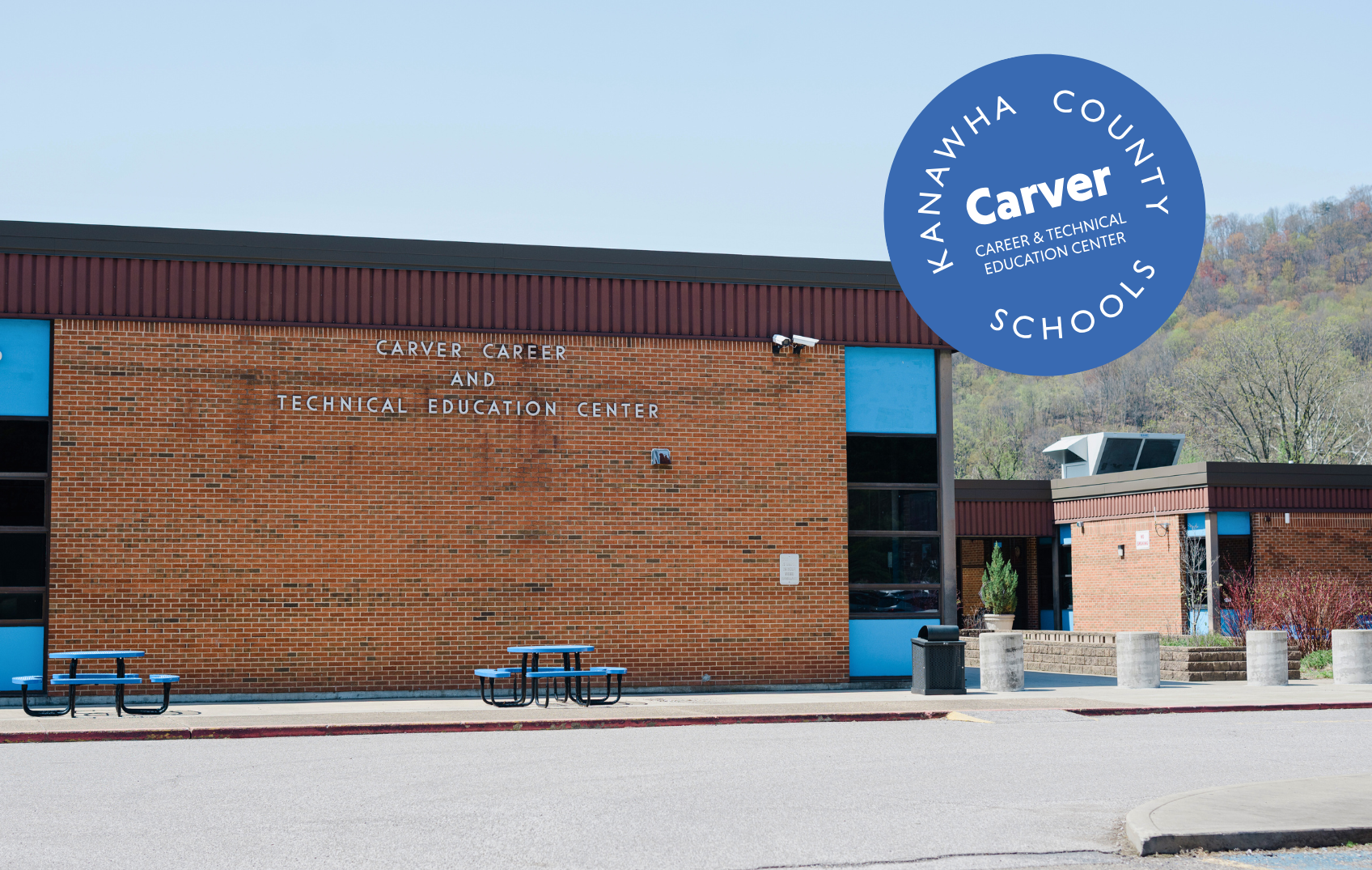
Carver Career Center isn't a traditional college; it's a hyper-focused, public career and technical education center in Charleston, West Virginia, that operates with the directness of a trade school. With an open-door admissions policy, it channels students—both high school and adult learners—into a tight roster of hands-on programs like cosmetology, respiratory therapy, and culinary arts, aiming for swift, affordable entry into the workforce. Its identity is defined by practical skill-building, strong local employer ties, and a mission to deliver tangible career outcomes without the frills of a residential campus.
More details
- Undergrad enrollment
- 169
- Top Major
- Cosmetology
- Application Fee
- $100
- Graduation Rate
- 85.4%
- Institutional Control
- Public
- Student-Faculty Ratio
- 15:1
- Median Earnings (10yr)
- $33,739
Outcomes & value
Outcomes & value
- Median earnings (10 yr)
- $33,739
- Value (earnings ÷ net price)
- 4.9×
- Pell (lower-income) share
- 74%
- First-gen share (among federal-aid recipients)
- 60%
Earnings = median of students working ~10 years after entry; debt = median of graduates. Value divides 10-yr earnings by one year’s net price — read it as earnings per dollar of annual cost, not a full lifetime ROI; it favors lower-cost schools. Source: U.S. Dept. of Education College Scorecard. Figures lag ~2 years and reflect all students, not your intended major.
Campus & location
Campus safety
- On-campus violent crimes (2024)
- 0
On-campus criminal offenses classed as violent (murder/non-negligent manslaughter, rape, robbery, aggravated assault) for the most recent reported year. Source: U.S. Dept. of Education Campus Safety and Security (Clery Act). Counts reflect what’s reported to the school, and urban campuses often report more partly due to non-student incidents nearby — read alongside campus size and setting, not as a standalone safety verdict.
Climate
- Pleasant days / yr
- 94
- Summer high
- 85°F
- Winter low
- 33°F
- Annual rain
- 51"
- Annual snow
- 13.9"
- Natural-hazard risk
- Relatively High
Pleasant days counts days per year with a mean temperature of 55–75°F, a high at or below 90°F, a low at or above 45°F, and little precipitation — a transparent comfort measure, not a weighting we invented. Computed from Open-Meteo ERA5 daily history (2019–2023). Natural-hazard risk is the county’s composite rating from the FEMA National Risk Index.
Quick answers
- How much does Carver Career Center cost?
- At Carver Career Center, the average net price (after aid) is about $6,941 per year. Actual cost varies with financial aid and residency.
- How many undergraduates attend Carver Career Center?
- Carver Career Center enrolls approximately 169 undergraduate students.
- Where is Carver Career Center located?
- Carver Career Center is located in Charleston, WV.
Admissions
Carver Career Center maintains a 100% open admissions policy, meaning it accepts all applicants who meet basic eligibility requirements for its programs. There is no selective screening based on grades or test scores in the traditional collegiate sense; the school's own materials state that admissions and test score data are only presented for institutions that do not have an open admission policy. The application fee is $100. The admissions process is program-specific: prospective students must take their chosen program's entrance exam and achieve the minimum score for entry or meet other individual program requirements before being accepted. This model reflects the school's mission as a career and technical education center, where readiness for specific skilled trades is the primary gatekeeper, not academic pedigree. The institution provides admission assistance, support, and orientation services expressly for adult learners.
Academics
Academic life at Carver is narrowly channeled and intensely practical. The center offers just two distinct undergraduate degrees, concentrated into majors within two broad fields of study. The most popular programs dominate the landscape: Cosmetology and Related Personal Grooming Services is the top major, with 25 graduates reported, followed by Respiratory Care Therapy (14 graduates), Barbering (13 graduates), Culinary Arts and Food Service (13 graduates), and Surgical Technologist programs. This creates a campus culture deeply immersed in hands-on, technical skill development. The student-faculty ratio is 15:1, allowing for direct supervision in lab and shop settings. The school's primary strength, as noted by observers, is providing affordable education with strong local employer relationships, a hallmark of trade schools. It is currently applying for reaffirmation of accreditation with the Commission of the Council on Occupational Education.
Compare Carver Career Center
vs University of Science and Arts of Oklahomavs Florida Polytechnic Universityvs University of Arkansas at Pine Bluffvs United States Coast Guard Academy
See colleges similar to Carver Career Center →Sources
- Common Data Set: Home
- Common Data Set 2024-2025
- Carver Career Center in Charleston, WV - Education
- Carver Career Center - DFR Report PDF
- Common Data Set Explorer 2026: Compare 100 Colleges
- Carver Career and Technical Education Center | Home
- Carver Career Center
- Carver Career Center Statistics
- Carver Career Center Admissions Statistics
- Carver Career Center
- Carver Career Center (Top-Ranked Community College for 2026)