Loading…
← All schools
Catawba College
Salisbury, NCprivate nonprofitwww.catawba.edu/
Acceptance
75%
SAT 25–75
1030–1300
Avg net price
$17,879
Earnings (10 yr)
$48,793
Graduation rate
47%
Admit rate has ranged 50%–78% over the last 5 years — notably volatile. Source: IPEDS via Urban Institute.
Acceptance & SAT from Common Data Set / IPEDS; net price, earnings & graduation from the U.S. Dept. of Education College Scorecard. Figures lag ~1–2 years — verify with the school.
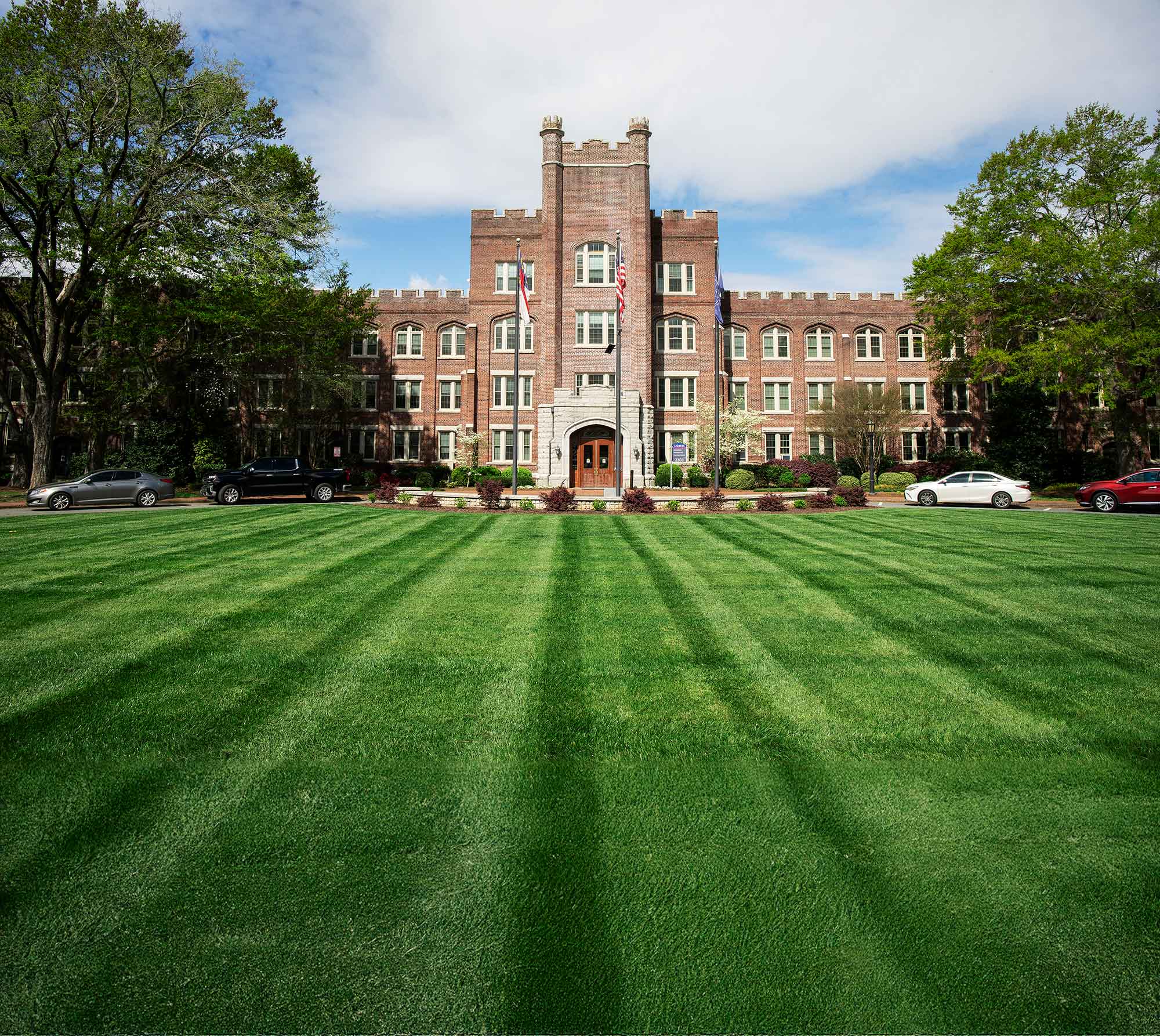
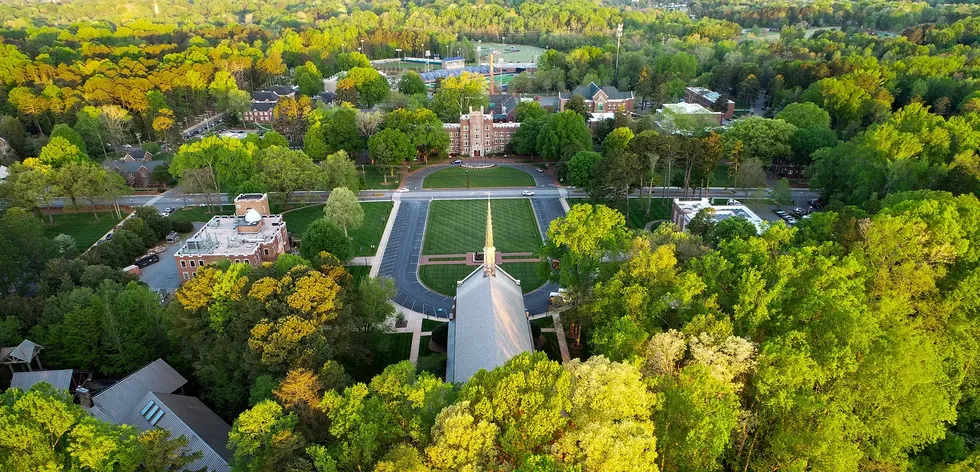
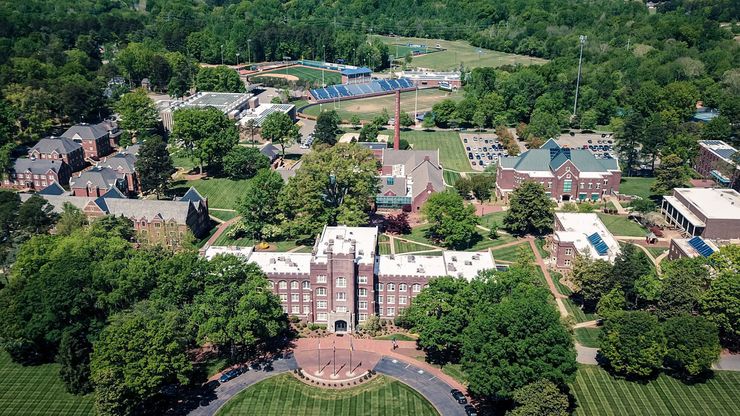
Catawba College is a small, private liberal arts college in Salisbury, North Carolina, that stakes its identity on a practical, hands-on education. With a notably accessible admissions process, it leans heavily into business, exercise science, and the performing arts, wrapping its academics in a tight-knit, residential campus culture where over 80% of students live on campus. The school’s pitch is straightforward: a nurturing, personalized environment that delivers solid career outcomes—97% of graduates are employed or in grad school within a year—without the cutthroat competition or sticker shock of more selective institutions.
Admission requirements
Test-optional — scores considered if submitted
Required
- High school transcript
- Grade point average
- College-prep program
- TOEFL (non-native English)
Considered (not required)
- Class rank
- Letters of recommendation
- Test scores (SAT/ACT)
- Demonstrated competencies
Source: IPEDS Admissions survey (2022) via Urban Institute. Covers formal factors only — it does not reflect essays, extracurriculars, or other holistic criteria.
More details
- Undergrad enrollment
- 1,235
- In-state tuition
- $34,300
- Out-of-state tuition
- $34,300
- Graduation Rate
- 47%
- On-Campus Living
- >80%
- Median Earnings (10yr)
- $48,793
- Average Financial Aid Package
- $27,098
- Post-Graduation Success (1 yr)
- 97% employed or in grad school
Outcomes & value
Outcomes & value
- Median earnings (10 yr)
- $48,793
- Value (earnings ÷ net price)
- 2.7×
- Median debt at graduation
- $25,000
- Graduation rate
- 47%
- First-year retention
- 77%
- Reducing loan balance (3 yr)
- 58%
- Pell (lower-income) share
- 41%
- First-gen share (among federal-aid recipients)
- 30%
Financial health
3.0 / 3.0Meets the federal financial-responsibility standard
U.S. Dept. of Education Financial Responsibility Composite Score (FY2022-23). Scale −1.0 to 3.0; ≥1.5 meets the standard. Reported for private nonprofit & for-profit institutions only — public universities are state-backed and not scored, so this is a stability signal, not a ranking.
Top-earning majors
Median earnings by field of study (highest credential), ~2 years after completion.
- Business Administration, Management and Operations$48,198
- Teacher Education and Professional Development, Specific Levels and Methods$34,259
- Communication and Media Studies$33,993
- Biology, General$26,739
- Sports, Kinesiology, and Physical Education/Fitness$26,121
- Teacher Education and Professional Development, Specific Subject Areas
Campus & location
Campus safety
- On-campus violent crimes (2024)
- 4
- Per 1,000 students
- 2.97
On-campus criminal offenses classed as violent (murder/non-negligent manslaughter, rape, robbery, aggravated assault) for the most recent reported year. Source: U.S. Dept. of Education Campus Safety and Security (Clery Act). Counts reflect what’s reported to the school, and urban campuses often report more partly due to non-student incidents nearby — read alongside campus size and setting, not as a standalone safety verdict.
Climate
- Pleasant days / yr
- 101
- Summer high
- 87°F
- Winter low
- 36°F
- Annual rain
- 45.5"
- Annual snow
- 2.9"
- Natural-hazard risk
- Relatively Moderate
Pleasant days counts days per year with a mean temperature of 55–75°F, a high at or below 90°F, a low at or above 45°F, and little precipitation — a transparent comfort measure, not a weighting we invented. Computed from Open-Meteo ERA5 daily history (2019–2023). Natural-hazard risk is the county’s composite rating from the FEMA National Risk Index.
Deep dive — research, future-scholar output & economic mobility
Research output
- Institutional h-index
- 39
- Scholarly works
- 540
Institutional research volume and impact from OpenAlex. The h-index reflects large research universities and will be low for teaching-focused liberal-arts colleges — not a measure of undergraduate quality.
Economic mobility
- Mobility rate
- 1.3%
- Bottom → top quintile
- 22%
- From bottom quintile
- 6%
Mobility rate = the share of students who both start in the bottom household-income quintile and reach the top quintile; bottom → top is that chance conditional on starting at the bottom. Source: Opportunity Insights Mobility Report Cards (Chetty, Friedman, Saez, Turner & Yagan). Reflects 1980–82 birth cohorts, so it’s directional, not current.
Quick answers
- What is the acceptance rate at Catawba College?
- Catawba College's acceptance rate is approximately 75% (Salisbury, NC), based on the most recent figures we compiled from public and primary sources.
- What SAT score do you need for Catawba College?
- Admitted students at Catawba College typically score 1030–1300 on the SAT (the middle-50% range). Scores outside this band are still admitted, especially with strong applications.
- How much does Catawba College cost?
- At Catawba College, the average net price (after aid) is about $17,879 per year. Actual cost varies with financial aid and residency.
- How many undergraduates attend Catawba College?
- Catawba College enrolls approximately 1,235 undergraduate students.
- Where is Catawba College located?
- Catawba College is located in Salisbury, NC.
Admissions
Catawba College operates with a notably accessible admissions process, accepting about three-quarters of its applicants. The process is , allowing students to choose whether to submit SAT or ACT scores. For those who do submit, the middle 50% of admitted students score between 1030 and 1300 on the SAT and between 17 and 25 on the ACT. Academically, admitted first-year students typically present a weighted GPA in the 3.11 to 4.04 range. The college accepts the Common Application, and while the outlines various decision factors, the specific importance of demonstrated interest is not detailed in the provided sources. The admissions office notes that applicants agree to accept an offer of admission and, if admitted, to withdraw applications from other colleges, indicating a binding commitment for some admission plans.
Compare Catawba College
vs Virginia Wesleyan Universityvs University of Mount Olivevs Gardner-Webb Universityvs Maryville College
See colleges similar to Catawba College →Sources
- Institutional Research - Catawba College
- [PDF] Common Data Set 2025-2026 | Catawba College
- Common Data Set: Home
- Catawba College - Profile, Rankings and Data | US News Best ...
- Office of Institutional Research & Analytics | College of the Holy Cross
- Common Data Set: Your Key to Smarter College Decisions - nextfour
- Catawba College Admissions - BigFuture College Search
- Catawba College SAT Scores and GPA
- First-Year Students - Catawba College
- Catawba College Admissions & Acceptance - Niche
- Catawba College Acceptance Rate - Admissions Chances & Data