Loading…
← All schools
Central Pennsylvania Institute of Science and Technology
Pleasant Gap, PApublicwww.cpi.edu/
Acceptance
96%
Avg net price
$9,857
Earnings (10 yr)
$41,677
Admit rate has ranged 78%–95% over the last 5 years — notably volatile, though the latest figure above (96%) falls outside that window. Source: IPEDS via Urban Institute.
Acceptance & SAT from Common Data Set / IPEDS; net price, earnings & graduation from the U.S. Dept. of Education College Scorecard. Figures lag ~1–2 years — verify with the school.
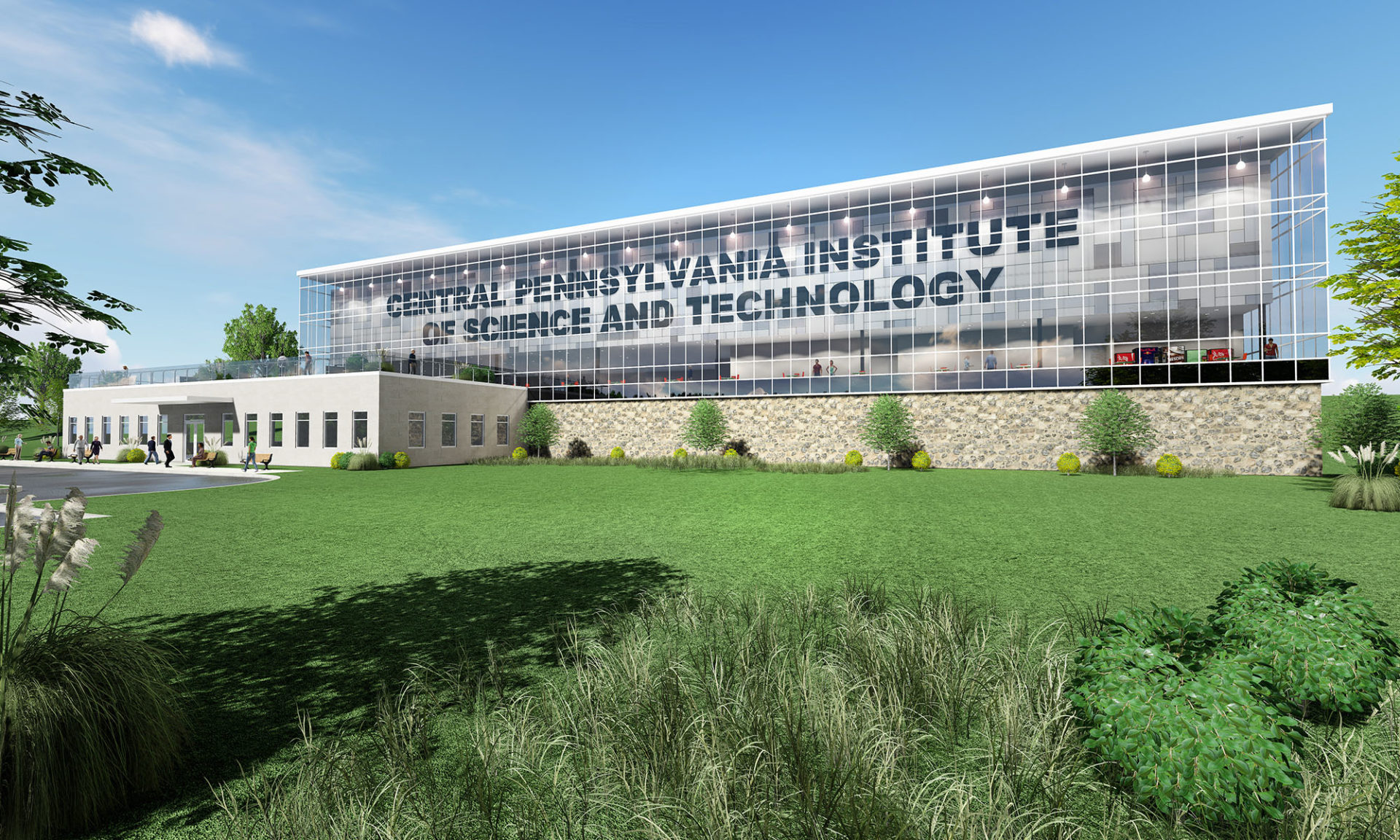
The Central Pennsylvania Institute of Science and Technology (CPI) is a singularly focused, open-access trade school where the campus workshops are the main event. This isn't a place for theoretical debates; it's a 32-acre proving ground in Pleasant Gap where students get their hands dirty in well-equipped labs to master practical, in-demand trades like petroleum technology, heavy vehicle mechanics, and practical nursing. With an acceptance rate that welcomes nearly all comers, CPI operates on a straightforward bargain: affordable, concentrated training that leads directly to skilled work, evidenced by a strong on-time completion rate and solid median earnings for graduates.
Admission requirements
Test-blind — scores not considered
Required
- High school transcript
Source: IPEDS Admissions survey (2022) via Urban Institute. Covers formal factors only — it does not reflect essays, extracurriculars, or other holistic criteria.
More details
- Undergrad enrollment
- 171
- Campus Size
- 32 acres
- Median Earnings (10yr)
- $41,677
- On-Time Graduation Rate
- 88%
Outcomes & value
Outcomes & value
- Median earnings (10 yr)
- $41,677
- Value (earnings ÷ net price)
- 4.2×
- Median debt at graduation
- $9,454
- Reducing loan balance (3 yr)
- 61%
- Pell (lower-income) share
- 56%
- First-gen share (among federal-aid recipients)
- 55%
Earnings = median of students working ~10 years after entry; debt = median of graduates. Value divides 10-yr earnings by one year’s net price — read it as earnings per dollar of annual cost, not a full lifetime ROI; it favors lower-cost schools. Source: U.S. Dept. of Education College Scorecard. Figures lag ~2 years and reflect all students, not your intended major.
Campus & location
Campus safety
- On-campus violent crimes (2024)
- 0
On-campus criminal offenses classed as violent (murder/non-negligent manslaughter, rape, robbery, aggravated assault) for the most recent reported year. Source: U.S. Dept. of Education Campus Safety and Security (Clery Act). Counts reflect what’s reported to the school, and urban campuses often report more partly due to non-student incidents nearby — read alongside campus size and setting, not as a standalone safety verdict.
Climate
- Pleasant days / yr
- 90
- Summer high
- 82°F
- Winter low
- 24°F
- Annual rain
- 39.8"
- Annual snow
- 28.9"
- Natural-hazard risk
- Relatively Low
Pleasant days counts days per year with a mean temperature of 55–75°F, a high at or below 90°F, a low at or above 45°F, and little precipitation — a transparent comfort measure, not a weighting we invented. Computed from Open-Meteo ERA5 daily history (2019–2023). Natural-hazard risk is the county’s composite rating from the FEMA National Risk Index.
Quick answers
- What is the acceptance rate at Central Pennsylvania Institute of Science and Technology?
- Central Pennsylvania Institute of Science and Technology's acceptance rate is approximately 96% (Pleasant Gap, PA), based on the most recent figures we compiled from public and primary sources.
- How much does Central Pennsylvania Institute of Science and Technology cost?
- At Central Pennsylvania Institute of Science and Technology, the average net price (after aid) is about $9,857 per year. Actual cost varies with financial aid and residency.
- How many undergraduates attend Central Pennsylvania Institute of Science and Technology?
- Central Pennsylvania Institute of Science and Technology enrolls approximately 171 undergraduate students.
- Where is Central Pennsylvania Institute of Science and Technology located?
- Central Pennsylvania Institute of Science and Technology is located in Pleasant Gap, PA.
Admissions
Admission to CPI is defined by its remarkably high and a process stripped of the barriers common at four-year colleges. The institute reports an acceptance rate of 96%, which is significantly higher than the Pennsylvania state average of 81% for similar institutions. This open-access philosophy means the door is wide open for most applicants, shifting the strategic focus from competitive admission to ensuring the program is the right fit for the student's career goals. Notably, CPI does not require SAT or ACT scores as part of its application process. The process appears straightforward, with the institute offering resources on 'How to Apply' directly through its website and a financial aid office ready to assist prospective students.
Compare Central Pennsylvania Institute of Science and Technology
vs SUNY College at Potsdamvs Lincoln Universityvs University of Science and Arts of Oklahomavs University of Minnesota-Morris
See colleges similar to Central Pennsylvania Institute of Science and Technology →Sources
- Central Pennsylvania Institute of Science and Technology ...
- Common Data Set: Home
- [PDF] Common Data Set 2024-2025 - Fashion Institute of Technology
- Central Pennsylvania Institute of Science and Technology - Data USA
- Is there a common data set for graduate schools? - Facebook
- Common Data Set | Office of Planning, Assessment, and ... - opair
- Central Pennsylvania Institute of Science & Technology - Niche
- Central Pennsylvania Institute of Science and Technology
- Central Pennsylvania Institute of Science and Technology Overview