Loading…
← All schools
Central Susquehanna Intermediate Unit LPN Career
Milton, PApublicwww.csiu.org/lpn
Acceptance
67%
Avg net price
$16,779
Earnings (10 yr)
$49,686
Admit rate has ranged 63%–84% over the last 5 years — notably volatile. Source: IPEDS via Urban Institute.
Acceptance & SAT from Common Data Set / IPEDS; net price, earnings & graduation from the U.S. Dept. of Education College Scorecard. Figures lag ~1–2 years — verify with the school.
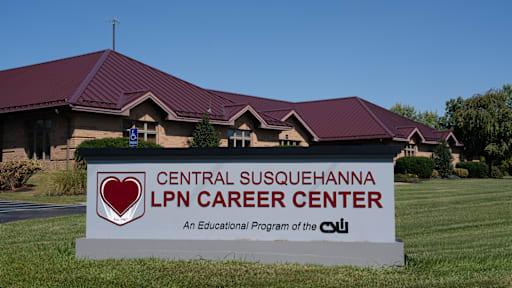
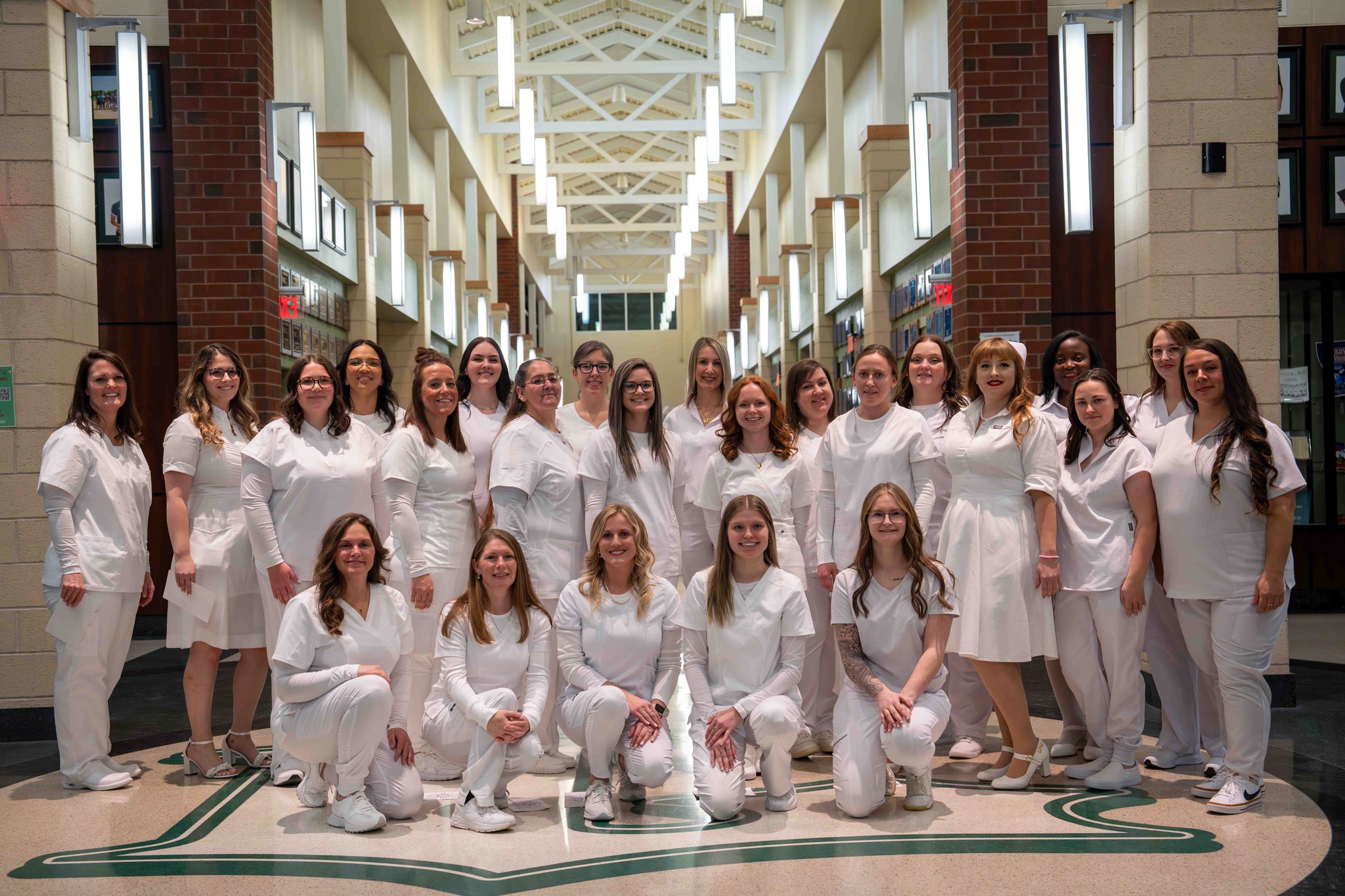
The Central Susquehanna LPN Career Center is a hyper-focused, no-frills trade school in Milton, Pennsylvania, with a single, clear mission: turn out licensed practical nurses in as little as 12 months. This isn't a traditional college campus; it's a career launchpad where the curriculum is laser-targeted, the faculty are experienced nurses, and success is measured in NCLEX-PN pass rates and job offers. For students seeking a direct, efficient, and local path into the healthcare workforce, it offers a pragmatic alternative to the liberal arts experience.
Admission requirements
Test-blind — scores not considered
Required
- High school transcript
- Letters of recommendation
Considered (not required)
- Grade point average
Source: IPEDS Admissions survey (2022) via Urban Institute. Covers formal factors only — it does not reflect essays, extracurriculars, or other holistic criteria.
More details
- Undergrad enrollment
- 98
- Single Major
- Licensed Practical Nurse Training
- Application Fee
- $75
- Job Placement Rate
- Over 93%
- Standardized Tests
- Not required
- Median Earnings (10yr)
- $49,686
- Program Length Options
- 12 or 23 months
- Student-to-Faculty Ratio
- 13:1
- First-Year Retention Rate
- 71%
Outcomes & value
Outcomes & value
- Median earnings (10 yr)
- $49,686
- Value (earnings ÷ net price)
- 3.0×
- Median debt at graduation
- $12,034
- Reducing loan balance (3 yr)
- 64%
- Pell (lower-income) share
- 58%
- First-gen share (among federal-aid recipients)
- 48%
Earnings = median of students working ~10 years after entry; debt = median of graduates. Value divides 10-yr earnings by one year’s net price — read it as earnings per dollar of annual cost, not a full lifetime ROI; it favors lower-cost schools. Source: U.S. Dept. of Education College Scorecard. Figures lag ~2 years and reflect all students, not your intended major.
Campus & location
Campus safety
- On-campus violent crimes (2024)
- 0
On-campus criminal offenses classed as violent (murder/non-negligent manslaughter, rape, robbery, aggravated assault) for the most recent reported year. Source: U.S. Dept. of Education Campus Safety and Security (Clery Act). Counts reflect what’s reported to the school, and urban campuses often report more partly due to non-student incidents nearby — read alongside campus size and setting, not as a standalone safety verdict.
Climate
- Pleasant days / yr
- 89
- Summer high
- 84°F
- Winter low
- 26°F
- Annual rain
- 43.4"
- Annual snow
- 25.1"
- Natural-hazard risk
- Relatively Low
Pleasant days counts days per year with a mean temperature of 55–75°F, a high at or below 90°F, a low at or above 45°F, and little precipitation — a transparent comfort measure, not a weighting we invented. Computed from Open-Meteo ERA5 daily history (2019–2023). Natural-hazard risk is the county’s composite rating from the FEMA National Risk Index.
Quick answers
- What is the acceptance rate at Central Susquehanna Intermediate Unit LPN Career?
- Central Susquehanna Intermediate Unit LPN Career's acceptance rate is approximately 67% (Milton, PA), based on the most recent figures we compiled from public and primary sources.
- How much does Central Susquehanna Intermediate Unit LPN Career cost?
- At Central Susquehanna Intermediate Unit LPN Career, the average net price (after aid) is about $16,779 per year. Actual cost varies with financial aid and residency.
- How many undergraduates attend Central Susquehanna Intermediate Unit LPN Career?
- Central Susquehanna Intermediate Unit LPN Career enrolls approximately 98 undergraduate students.
- Where is Central Susquehanna Intermediate Unit LPN Career located?
- Central Susquehanna Intermediate Unit LPN Career is located in Milton, PA.
Admissions
Admissions at the LPN Career Center is a straightforward, vocational-focused process. The program is described as "somewhat competitive" with an of 67%. It does not require admission test scores like the SAT for entry. The application itself carries a $75 fee. The process emphasizes practical readiness, requiring prospective students to submit not just an application but also complete student clearances, which are essential for clinical placements in healthcare. The center offers two program tracks, allowing students to train in either a condensed 12-month format or a more extended 23-month schedule, providing flexibility for those balancing other commitments.
Academics
Academic life here is singular and intensive: the only major offered is Licensed Practical Nurse Training. The program is designed for depth, not breadth, combining classroom instruction, hands-on labs, and real-world clinical experiences. The student-to-faculty ratio is a supportive 13:1, which is crucial for mastering clinical skills. The curriculum is a year-long immersion aimed squarely at preparing students to pass the NCLEX-PN licensing exam and step directly into a nursing role. Retention data suggests a 71% rate of students continuing from their first to second year, indicating the program's demanding nature. Faculty are highlighted as experienced, bringing practical knowledge from the field directly into the classroom.
Compare Central Susquehanna Intermediate Unit LPN Career
vs Lincoln Universityvs Thaddeus Stevens College of Technologyvs SUNY College of Environmental Science and Forestryvs St. Mary's College of Maryland
See colleges similar to Central Susquehanna Intermediate Unit LPN Career →Sources
- Choose the LPN Career Center
- Central Susquehanna Intermediate Unit LPN Career
- Central Susquehanna Intermediate Unit LPN Career - Niche
- Central Susquehanna Intermediate Unit LPN Career - Sallie
- Central Susquehanna Intermediate Unit LPN Career - MeetYourClass
- Central Susquehanna LPN Career Center: Home
- Central Susquehanna Intermediate Unit LPN Career Admissions
- Central Susquehanna Intermediate Unit LPN Career Admission
- Central Susquehanna Intermediate Unit LPN Career - My Future
- Central Susquehanna Intermediate Unit LPN Career Academics