Loading…
← All schools
Chester Career College
CHESTER, VAprivate forprofitchestercareercollege.edu/
Avg net price
$24,259
Earnings (10 yr)
$32,650
Acceptance & SAT from Common Data Set / IPEDS; net price, earnings & graduation from the U.S. Dept. of Education College Scorecard. Figures lag ~1–2 years — verify with the school.
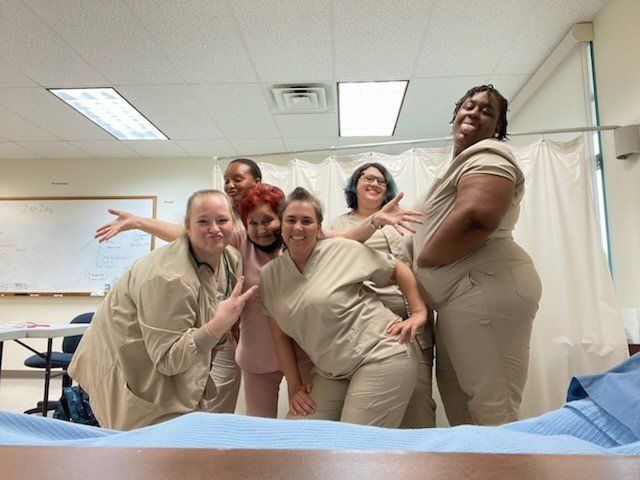
Chester Career College is a small, intensely practical trade school in suburban Virginia that operates on a simple, no-frills premise: get students trained and into the workforce, fast. With an open admissions policy and a laser focus on healthcare and cosmetology programs, it serves a predominantly Black, local student body looking for a direct path to a career. This is not a traditional college experience, but a focused training ground where outcomes are measured in job readiness, not campus life.
More details
- Undergrad enrollment
- 79
- Top Major
- Practical Nursing, Vocational Nursing and Nursing Assistants
- Application Fee
- $25
- First-Year Retention
- 80.0%
- Student-Faculty Ratio
- 14:1
- Graduation Rate (6-yr)
- 63%
- Median Earnings (10yr)
- $32,650
Outcomes & value
Outcomes & value
- Median earnings (10 yr)
- $32,650
- Value (earnings ÷ net price)
- 1.3×
- Median debt at graduation
- $19,879
- Reducing loan balance (3 yr)
- 24%
- Pell (lower-income) share
- 54%
- First-gen share (among federal-aid recipients)
- 45%
Earnings = median of students working ~10 years after entry; debt = median of graduates. Value divides 10-yr earnings by one year’s net price — read it as earnings per dollar of annual cost, not a full lifetime ROI; it favors lower-cost schools. Source: U.S. Dept. of Education College Scorecard. Figures lag ~2 years and reflect all students, not your intended major.
Financial health
2.4 / 3.0Meets the federal financial-responsibility standard
U.S. Dept. of Education Financial Responsibility Composite Score (FY2022-23). Scale −1.0 to 3.0; ≥1.5 meets the standard. Reported for private nonprofit & for-profit institutions only — public universities are state-backed and not scored, so this is a stability signal, not a ranking.
Campus & location
Campus safety
- On-campus violent crimes (2024)
- 0
On-campus criminal offenses classed as violent (murder/non-negligent manslaughter, rape, robbery, aggravated assault) for the most recent reported year. Source: U.S. Dept. of Education Campus Safety and Security (Clery Act). Counts reflect what’s reported to the school, and urban campuses often report more partly due to non-student incidents nearby — read alongside campus size and setting, not as a standalone safety verdict.
Climate
- Pleasant days / yr
- 107
- Summer high
- 88°F
- Winter low
- 36°F
- Annual rain
- 33.6"
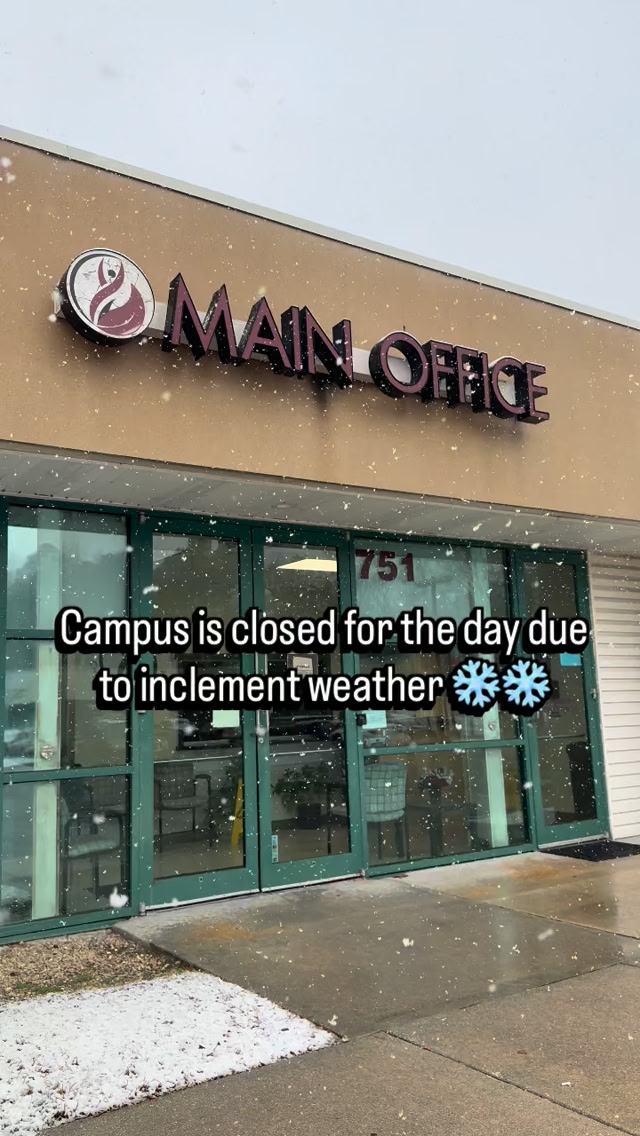
- Annual snow
- 4.6"
- Natural-hazard risk
- Relatively Moderate
Pleasant days counts days per year with a mean temperature of 55–75°F, a high at or below 90°F, a low at or above 45°F, and little precipitation — a transparent comfort measure, not a weighting we invented. Computed from Open-Meteo ERA5 daily history (2019–2023). Natural-hazard risk is the county’s composite rating from the FEMA National Risk Index.
Quick answers
- How much does Chester Career College cost?
- At Chester Career College, the average net price (after aid) is about $24,259 per year. Actual cost varies with financial aid and residency.
- How many undergraduates attend Chester Career College?
- Chester Career College enrolls approximately 79 undergraduate students.
- Where is Chester Career College located?
- Chester Career College is located in CHESTER, VA.
Admissions
The gate is wide open at Chester Career College, which operates on a 100% open admissions policy—meaning every applicant who completes the basic requirements is accepted. There's no talk of SAT scores, class rank, or essays; the process is purely procedural. Prospective students must complete an application, pay a $25 fee, submit to a background check, and provide official transcripts. The admissions representatives, as the school describes them, are there to assist in choosing a career path, not to evaluate candidacy. This results in an of 100%, making it one of the most accessible post-secondary options in the region. The student body is small, with total enrollment hovering around 79 students as of 2024, split between 56 full-time and 23 part-time attendees.
Academics
Academics here are stripped down to their vocational core. The college offers just seven programs, all funneling students toward specific technical careers. The standout major is Practical Nursing, Vocational Nursing and Nursing Assistants, which anchors the curriculum. Other programs span healthcare and cosmetology, as detailed in the college catalog. The approach is intensely focused: instructors are described as 'incredible,' and the goal is to build both technical knowledge and workplace readiness. With a student-faculty ratio of 14:1, instruction is likely hands-on and personal, geared toward mastering a trade rather than exploring a liberal arts curriculum. The college's own materials emphasize that its programs are designed to 'help you succeed in your chosen career path'—a mission statement that leaves no room for academic exploration outside of job training.
Compare Chester Career College
See colleges similar to Chester Career College →Sources
- Become a Student | Admissions Requirements
- Chester Career College in CHESTER, VA - Education
- Chester Career College
- Chester Career College
- Macalester College 2020-21 Common Data Set
- Chester Career College Accreditation Statistics
- Chester Career College
- Chester Career College - Tuition and Acceptance Rate
- Chester Career College Admissions - BigFuture College Search
- Chester Career College Acceptance Rates & Admissions ...