Loading…
← All schools
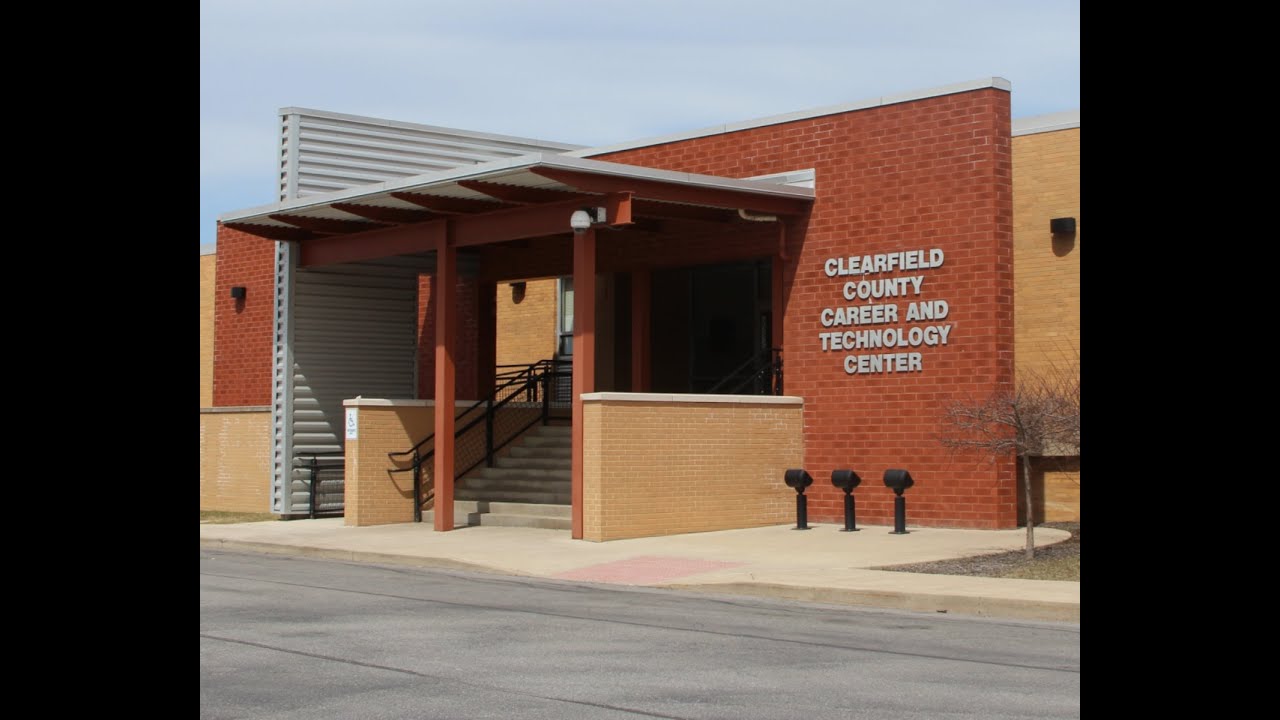
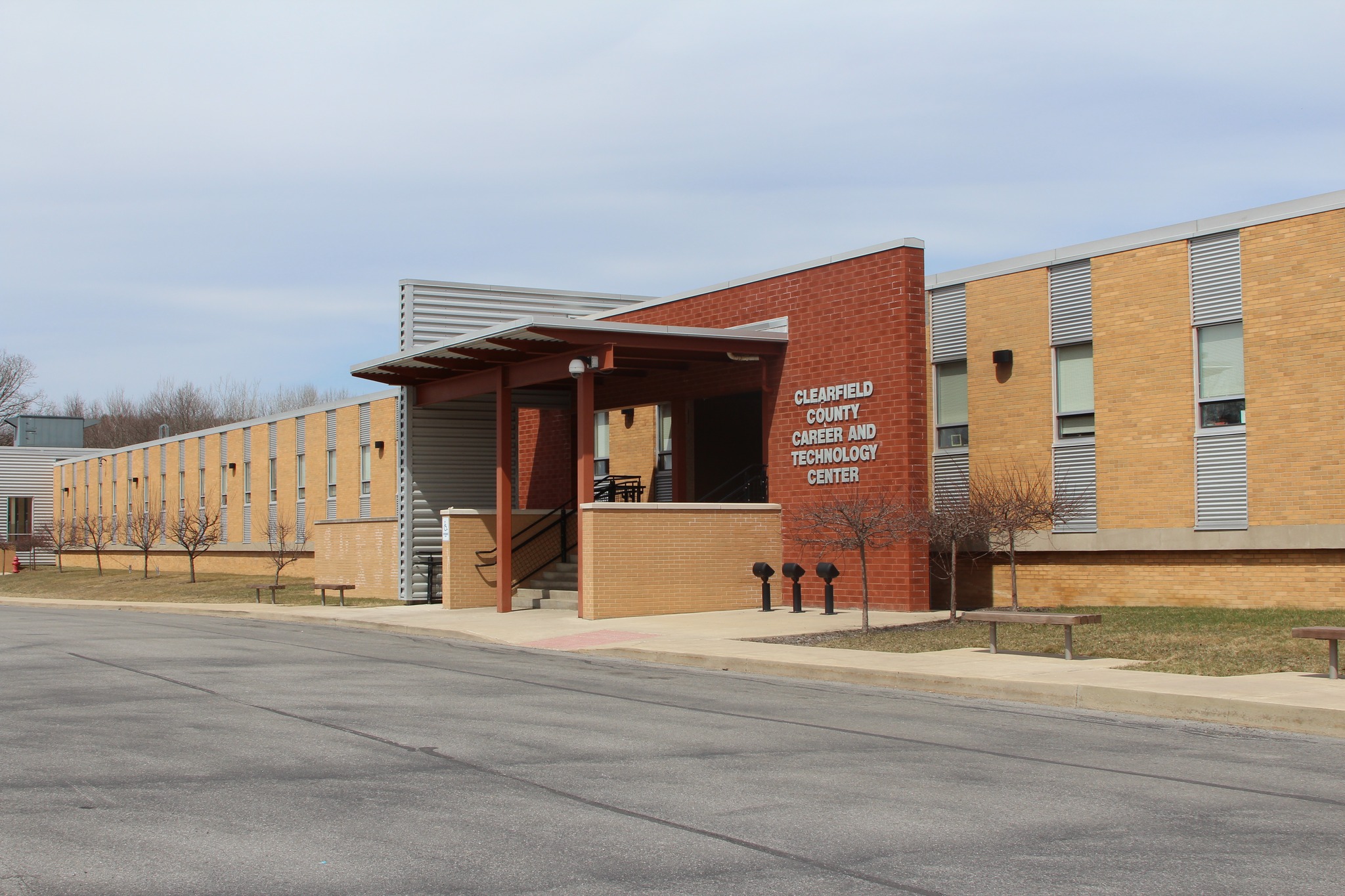
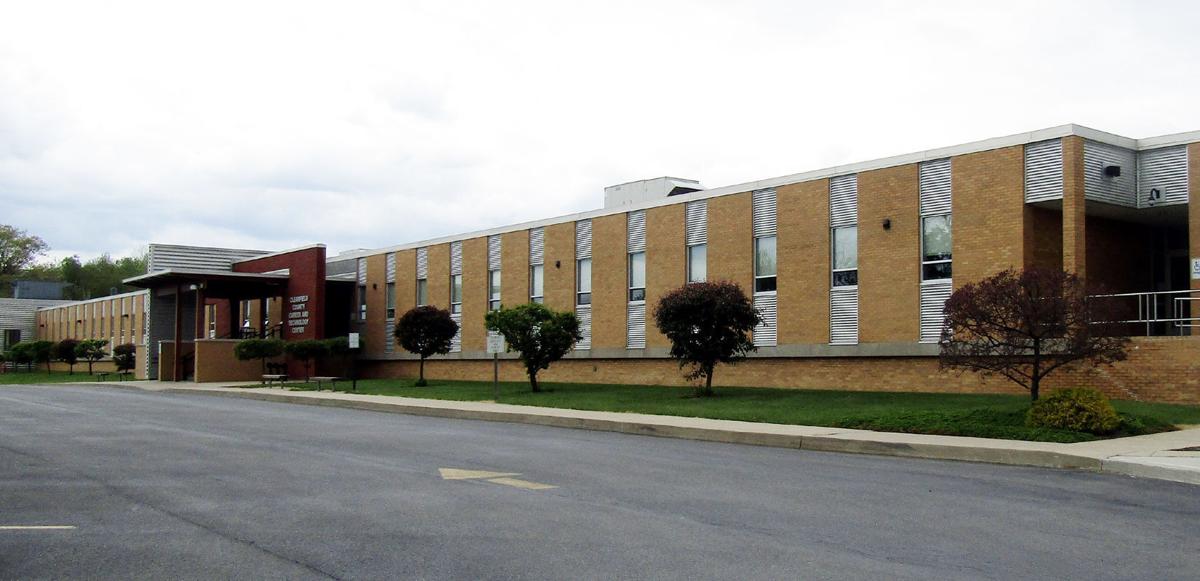
Clearfield County Career and Technology Center
Clearfield, PApublicccctc.edu/
Avg net price
$14,460
Earnings (10 yr)
$41,559
Acceptance & SAT from Common Data Set / IPEDS; net price, earnings & graduation from the U.S. Dept. of Education College Scorecard. Figures lag ~1–2 years — verify with the school.
The Clearfield County Career and Technology Center (CCCTC) is a singular institution that operates less like a traditional college and more like a direct pipeline to the skilled trades and technical workforce of Pennsylvania. It is a place of pure, unpretentious practicality, where education is measured in certifications earned, hands-on skills mastered, and immediate job readiness. Forget ivy-covered halls; here, the classrooms are fully-equipped shops, and success is defined by a graduate's ability to step directly into a well-paying career.
More details
- Undergrad enrollment
- 31
- Graduation Rate
- 82%
- Student-Faculty Ratio
- 6-to-1
- Median Earnings (10yr)
- $41,559
- First-Year Retention Rate
- 63%
- Financial Aid Participation
- 53% of beginning undergraduates receive grant/scholarship aid
Outcomes & value
Outcomes & value
- Median earnings (10 yr)
- $41,559
- Value (earnings ÷ net price)
- 2.9×
- Median debt at graduation
- $8,750
- Reducing loan balance (3 yr)
- 55%
- Pell (lower-income) share
- 49%
- First-gen share (among federal-aid recipients)
- 63%
Earnings = median of students working ~10 years after entry; debt = median of graduates. Value divides 10-yr earnings by one year’s net price — read it as earnings per dollar of annual cost, not a full lifetime ROI; it favors lower-cost schools. Source: U.S. Dept. of Education College Scorecard. Figures lag ~2 years and reflect all students, not your intended major.
Campus & location
Campus safety
- On-campus violent crimes (2024)
- 0
On-campus criminal offenses classed as violent (murder/non-negligent manslaughter, rape, robbery, aggravated assault) for the most recent reported year. Source: U.S. Dept. of Education Campus Safety and Security (Clery Act). Counts reflect what’s reported to the school, and urban campuses often report more partly due to non-student incidents nearby — read alongside campus size and setting, not as a standalone safety verdict.
Climate
- Pleasant days / yr
- 92
- Summer high
- 81°F
- Winter low
- 24°F
- Annual rain
- 45.5"
- Annual snow
- 33.2"
- Natural-hazard risk
- Relatively Low
Pleasant days counts days per year with a mean temperature of 55–75°F, a high at or below 90°F, a low at or above 45°F, and little precipitation — a transparent comfort measure, not a weighting we invented. Computed from Open-Meteo ERA5 daily history (2019–2023). Natural-hazard risk is the county’s composite rating from the FEMA National Risk Index.
Quick answers
- How much does Clearfield County Career and Technology Center cost?
- At Clearfield County Career and Technology Center, the average net price (after aid) is about $14,460 per year. Actual cost varies with financial aid and residency.
- How many undergraduates attend Clearfield County Career and Technology Center?
- Clearfield County Career and Technology Center enrolls approximately 31 undergraduate students.
- Where is Clearfield County Career and Technology Center located?
- Clearfield County Career and Technology Center is located in Clearfield, PA.
Admissions
Admission to CCCTC is defined by its open-access, career-focused mission rather than competitive selectivity. Multiple sources characterize its process as having a 100% , indicating it is designed to be accessible to students seeking career-technical education. The school's own admissions page directs prospective high school students to contact their school guidance counselor or apply online, framing entry as a straightforward process of seeking entry into a specific program. There is no mention of standardized test scores like the SAT or ACT being a factor, nor is there any indication of an Early Decision or Early Action process—this is an institution where the primary gatekeeper is a student's commitment to a hands-on career path, not a GPA cutoff.
- Acceptance Rate: Reported as 100% by multiple external sources.
- Process: For high school students, the recommended path is to work through their school guidance counselor.
Academics
Academics at CCCTC are synonymous with career-technical training. The institution's core mission is to "provide quality career-technical education programs and services that prepare youth and adults for success." This is executed through a model that blends teacher-led classroom instruction with hands-on learning in fully-equipped shops, creating a simulated work environment. The student-to-faculty ratio is an intimate 6-to-1, allowing for significant individual attention and mentorship. The program structure appears focused on certificates and direct workforce entry, with one source noting it offers a Bachelor's Degree, though this is atypical for a career center and may refer to a specific articulated program. The atmosphere is one of applied learning, where theory is immediately put into practice on real-world equipment.
Compare Clearfield County Career and Technology Center
vs United States Coast Guard Academyvs Lincoln Universityvs SUNY College at Potsdamvs Coppin State University
See colleges similar to Clearfield County Career and Technology Center →Sources
- Common Data Set - Institutional Research & Planning
- Common Data Set: Home
- Common Data Set Explorer 2026: Compare 100 Colleges
- Common Data Set - Analytics & Institutional Effectiveness
- Decoding the Common Data Set What You Need to Know for ...
- Admissions
- Clearfield County Career & Technology Center
- Clearfield County Career and Technology Center | Class of 2030 ...
- Clearfield County Career and Technology Center
- Clearfield County Career & Technology Center
- Lancaster County Career and Technology Center SAT Scores ...