Loading…
← All schools
Collectiv Hair Dressing Academy-Collectiv Academy-Dallas
Dallas, TXprivate forprofitcollectivacademy.com
Avg net price
$18,663
Earnings (10 yr)
$29,334
Acceptance & SAT from Common Data Set / IPEDS; net price, earnings & graduation from the U.S. Dept. of Education College Scorecard. Figures lag ~1–2 years — verify with the school.
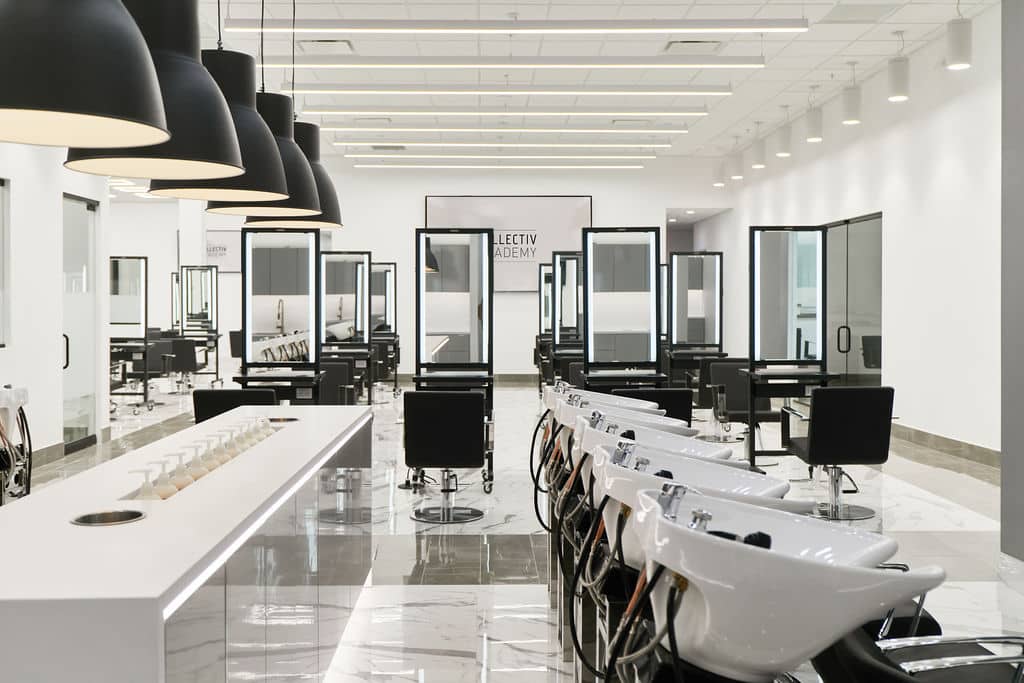
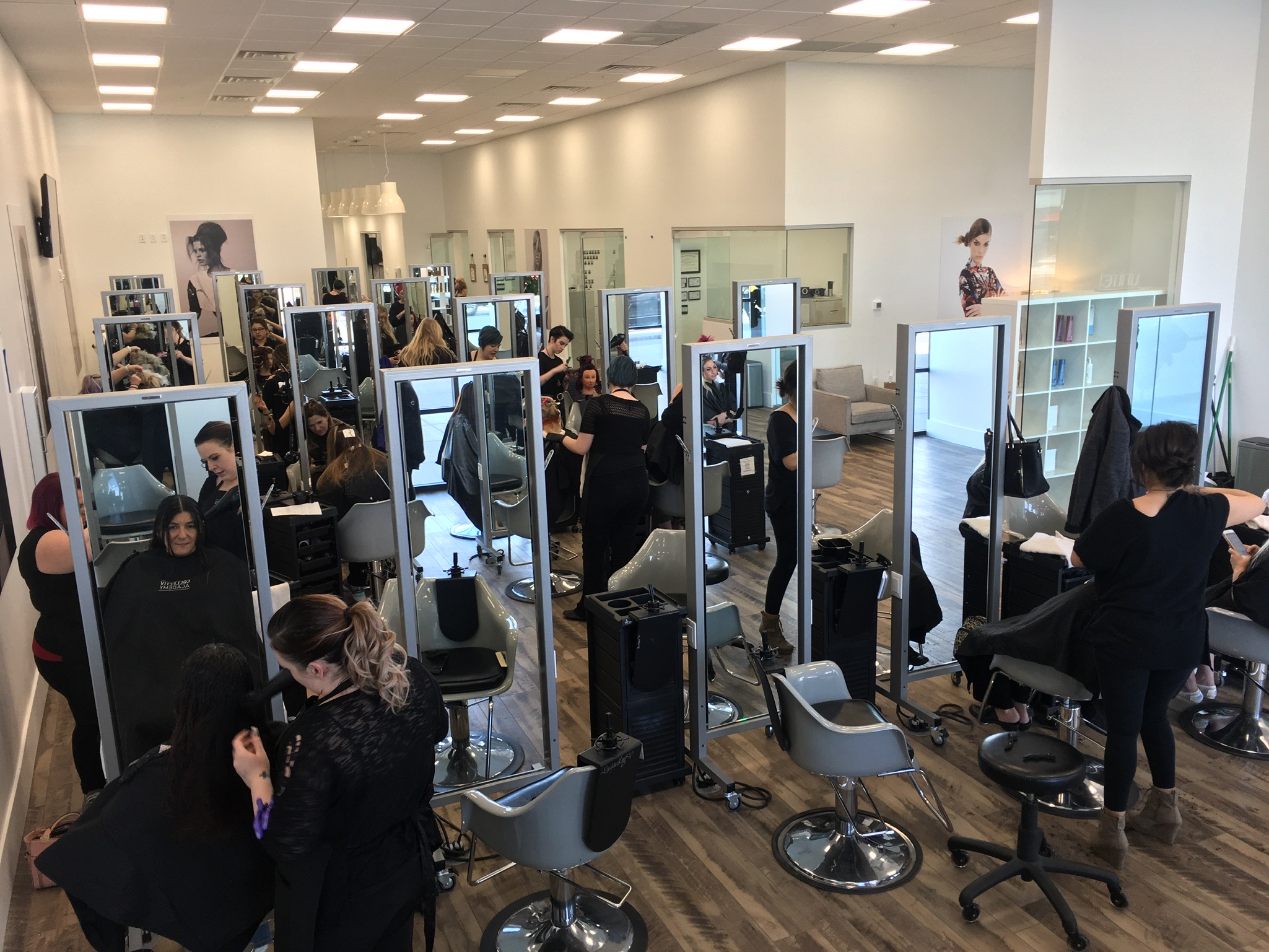
COLLECTIV Academy is a private, for-profit beauty school in Dallas that operates with a singular focus: to train serious, career-minded stylists and estheticians. It’s a place where the admissions gate is wide open—acceptance is universal—but the professional standards are high, enforced through a strict dress code and an intensive, hands-on curriculum. This is not a traditional liberal arts college; it's a trade school with a sleek, modern aesthetic, designed to fast-track students into the beauty industry, though graduate earnings data suggests the financial runway after graduation can be short.
More details
- Undergrad enrollment
- 319
- Popular Majors
- Esthetician and Skin Care, Cosmetology
- Institution Type
- Private, For-Profit
- Average Grant Aid
- $5,857
- Average Annual Loan Amount
- $7,261
- % Students Receiving Grant Aid
- 68%
- Median Earnings 1 Year After Graduation
- $18,106 per year
Outcomes & value
Outcomes & value
- Median earnings (10 yr)
- $29,334
- Value (earnings ÷ net price)
- 1.6×
- Median debt at graduation
- $10,540
- Reducing loan balance (3 yr)
- 56%
- Pell (lower-income) share
- 62%
Earnings = median of students working ~10 years after entry; debt = median of graduates. Value divides 10-yr earnings by one year’s net price — read it as earnings per dollar of annual cost, not a full lifetime ROI; it favors lower-cost schools. Source: U.S. Dept. of Education College Scorecard. Figures lag ~2 years and reflect all students, not your intended major.
Campus & location
Campus safety
- On-campus violent crimes (2024)
- 0
On-campus criminal offenses classed as violent (murder/non-negligent manslaughter, rape, robbery, aggravated assault) for the most recent reported year. Source: U.S. Dept. of Education Campus Safety and Security (Clery Act). Counts reflect what’s reported to the school, and urban campuses often report more partly due to non-student incidents nearby — read alongside campus size and setting, not as a standalone safety verdict.
Climate
- Pleasant days / yr
- 97
- Summer high
- 94°F
- Winter low
- 40°F
- Annual rain
- 41.9"
- Annual snow
- 1.6"
- Natural-hazard risk
- Very High
Pleasant days counts days per year with a mean temperature of 55–75°F, a high at or below 90°F, a low at or above 45°F, and little precipitation — a transparent comfort measure, not a weighting we invented. Computed from Open-Meteo ERA5 daily history (2019–2023). Natural-hazard risk is the county’s composite rating from the FEMA National Risk Index.
Quick answers
- How much does Collectiv Hair Dressing Academy-Collectiv Academy-Dallas cost?
- At Collectiv Hair Dressing Academy-Collectiv Academy-Dallas, the average net price (after aid) is about $18,663 per year. Actual cost varies with financial aid and residency.
- How many undergraduates attend Collectiv Hair Dressing Academy-Collectiv Academy-Dallas?
- Collectiv Hair Dressing Academy-Collectiv Academy-Dallas enrolls approximately 319 undergraduate students.
- Where is Collectiv Hair Dressing Academy-Collectiv Academy-Dallas located?
- Collectiv Hair Dressing Academy-Collectiv Academy-Dallas is located in Dallas, TX.
Admissions
The admissions philosophy at COLLECTIV Academy is one of open access. The school reports a 100% , indicating that the primary barrier to entry is a student's decision to apply and meet basic requirements, not a competitive selection process. Standardized test scores like the SAT or ACT are not part of the admissions equation; data for these metrics is explicitly listed as 'Not Available.' The process is straightforward: prospective students are directed to visit the school's website for application details and enrollment information. The academy does accept transfer students from other cosmetology programs, but these are evaluated on a strict case-by-case basis. While the school is open to all applicants, it immediately sets a professional tone. Admitted students must adhere to a formal dress code designed to 'set a standard of excellence,' where good hygiene is mandatory and hair must be styled.
Compare Collectiv Hair Dressing Academy-Collectiv Academy-Dallas
vs Livingstone Collegevs Florida Polytechnic Universityvs Dillard Universityvs Huston-Tillotson University
See colleges similar to Collectiv Hair Dressing Academy-Collectiv Academy-Dallas →Sources
- Collectiv Hair Dressing Academy-Collectiv Academy-Dallas
- [PDF] Student Catalog - COLLECTIV Academy
- Beauty School Financial Aid at Collectiv Academy
- Collectiv Hair Dressing Academy-Collectiv Academy-Dallas - Niche
- Collectiv Hair Dressing Academy-Collectiv Academy-Dallas
- Collectiv Hair Dressing Academy-Collectiv Academy-Dallas
- [PDF] Live Vol 7.1 CA Student Catalog TX _1000 Cos and Esti_3 day_Live ...
- Collectiv Hair Dressing Academy-Collectiv Academy-Dallas
- Collectiv Hair Dressing Academy-Collectiv Academy-Dallas