Loading…
← All schools
Commonwealth of Puerto Rico Department of Education-PRAMI
Fajardo, PRpublicprami-fajardo.wixsite.com
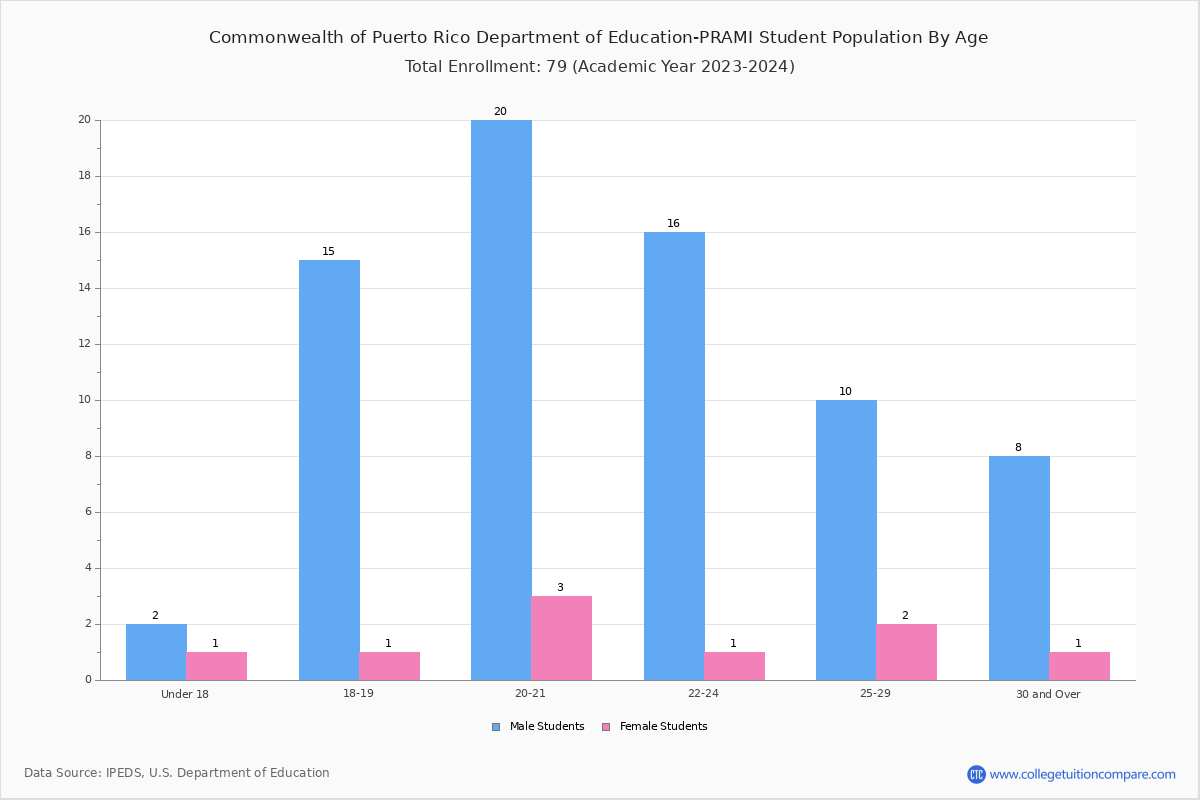
Commonwealth of Puerto Rico Department of Education-PRAMI is a tiny, hyper-specialized public institution in Fajardo that operates on a radically different model than a traditional college. With an open admission policy and a microscopic student body of fewer than 80, it functions as a direct pipeline into the skilled trades, awarding 100% of its degrees in mechanic and repair technologies. This is a school defined by its singular, practical focus and its role within the local Puerto Rican economy, not by campus life or academic breadth.
More details
- Undergrad enrollment
- 79
- In-state tuition
- $4,100
- Out-of-state tuition
- $4,100
- Primary Focus
- Mechanic & Repair Technologies (100% of degrees)
- Graduation Rate
- 43%
- Average Grant Aid
- $1,908
- Students with Loans
- 0%
- Median Earnings (10yr)
- $26,293
- First-Year Retention Rate
- 38%
- Students Receiving Grant Aid
- 100%
Outcomes & value
Outcomes & value
- Median earnings (10 yr)
- $26,293
- Pell (lower-income) share
- —
- First-gen share (among federal-aid recipients)
- 42%
Earnings = median of students working ~10 years after entry; debt = median of graduates. Value divides 10-yr earnings by one year’s net price — read it as earnings per dollar of annual cost, not a full lifetime ROI; it favors lower-cost schools. Source: U.S. Dept. of Education College Scorecard. Figures lag ~2 years and reflect all students, not your intended major.
Campus & location
Campus safety
- On-campus violent crimes (2024)
- 0
On-campus criminal offenses classed as violent (murder/non-negligent manslaughter, rape, robbery, aggravated assault) for the most recent reported year. Source: U.S. Dept. of Education Campus Safety and Security (Clery Act). Counts reflect what’s reported to the school, and urban campuses often report more partly due to non-student incidents nearby — read alongside campus size and setting, not as a standalone safety verdict.
Climate
- Pleasant days / yr
- 16
- Summer high
- 83°F
- Winter low
- 73°F
- Annual rain
- 55.6"
Pleasant days counts days per year with a mean temperature of 55–75°F, a high at or below 90°F, a low at or above 45°F, and little precipitation — a transparent comfort measure, not a weighting we invented. Computed from Open-Meteo ERA5 daily history (2019–2023).
Quick answers
- How many undergraduates attend Commonwealth of Puerto Rico Department of Education-PRAMI?
- Commonwealth of Puerto Rico Department of Education-PRAMI enrolls approximately 79 undergraduate students.
- Where is Commonwealth of Puerto Rico Department of Education-PRAMI located?
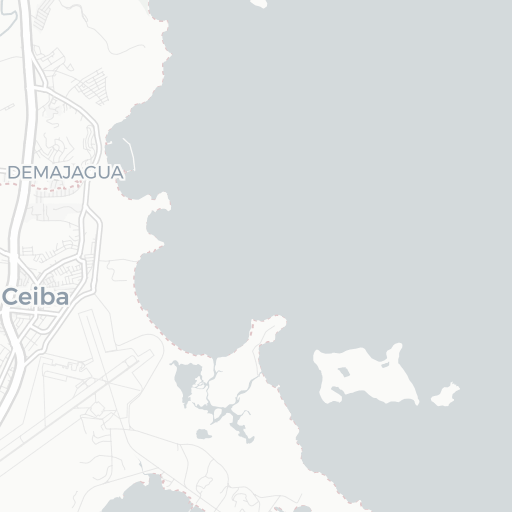
- Commonwealth of Puerto Rico Department of Education-PRAMI is located in Fajardo, PR.
Admissions
PRAMI's admissions process is the antithesis of selective. The institution has an open admission policy, meaning all applicants who apply are accepted. There is no competitive barrier to entry, which aligns with its mission as a public, vocational training center. The entire student body is exceptionally small, with total enrollment figures reported between 79 and 81 students, and 100% of those students are enrolled full-time. The school does not appear to utilize or report on early decision programs, and with an open-door policy, factors like demonstrated interest are rendered irrelevant. This is an institution designed for immediate, local access to career-specific education.
Academics
Academic life at PRAMI is not about exploration or a liberal arts core; it is a laser-focused, immersive training program. The institution's primary and exclusive focus is on mechanic and repair technologies, with 100% of all degrees awarded in this field. There is no data available on popular undergraduate majors outside of this singular category, underscoring the school's narrow vocational purpose. The student-faculty ratio is not reported, suggesting a practical, hands-on instructional model rather than a traditional seminar-based one. The graduation rate is 43%, a figure that reflects the challenges and attrition common in intensive, skills-based programs where students may enter the workforce before formally completing credentials.
Compare Commonwealth of Puerto Rico Department of Education-PRAMI
vs University of Puerto Rico-Humacaovs Florida Polytechnic Universityvs University of Puerto Rico-Carolinavs University of Puerto Rico at Ponce
See colleges similar to Commonwealth of Puerto Rico Department of Education-PRAMI →Sources
- Commonwealth of Puerto Rico Department of Education-PRAMI
- Commonwealth of Puerto Rico Department of Education-PRAMI
- Commonwealth of Puerto Rico Department of Education-PRAMI
- Puerto Rico - Digest State Dashboard - Department of Education
- CDS-2024-2025-TEMPLATE.pdf
- Commonwealth of Puerto Rico Department of Education-PRAMI
- Commonwealth of Puerto Rico Department of Education-PRAMI
- Commonwealth of Puerto Rico Department of Education-PRAMI
- Commonwealth of Puerto Rico Department of Education-PRAMI ...