Loading…
← All schools
Contra Costa Medical Career College
Antioch, CAprivate forprofitwww.ccmcc.edu/
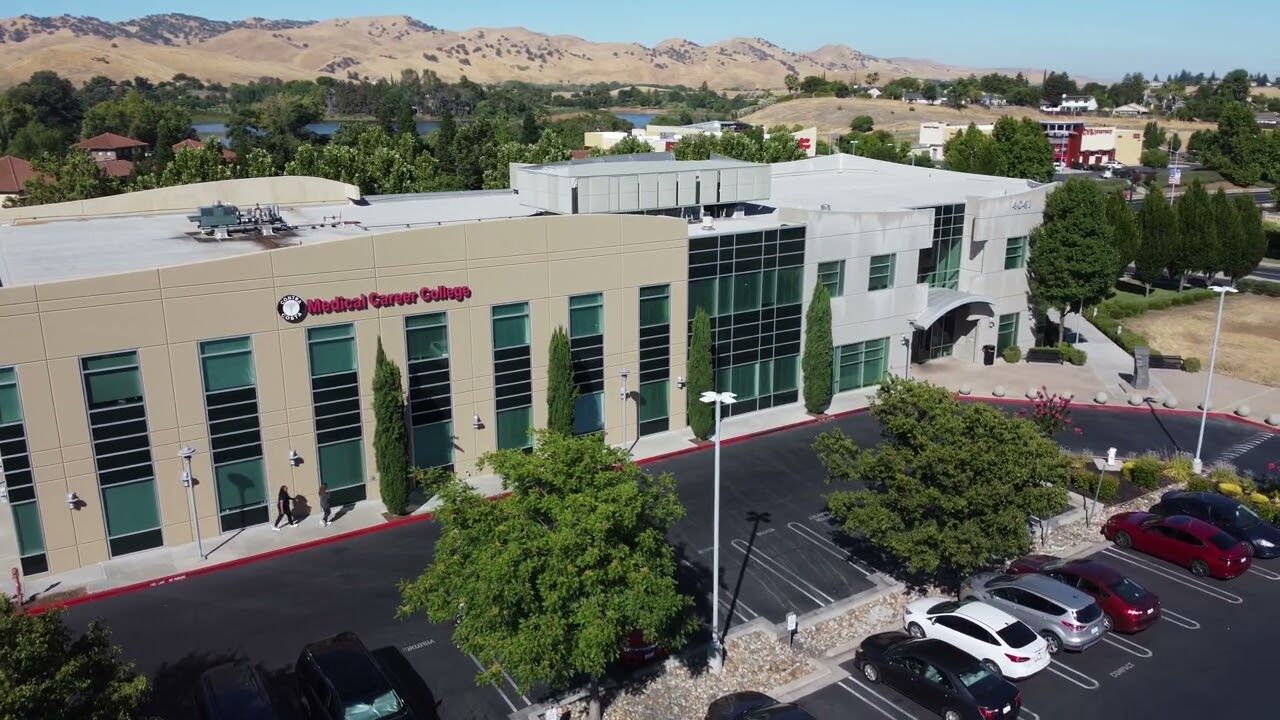
Contra Costa Medical Career College is a hyper-focused, for-profit trade school in Antioch, California, with a singular mission: funneling students directly into entry-level healthcare support roles. It operates on an open-admissions model, accepting virtually all applicants, and its entire academic identity is built around short-term, hands-on certificates for medical assisting, phlebotomy, and ultrasound technology. The vibe is pragmatic and career-obsessed, with a campus life defined more by clinical practice and community service than traditional collegiate activities.
More details
- Undergrad enrollment
- 556
- Graduation Rate
- 75.0%
- Most Popular Major
- Medical Assistant
Outcomes & value
Outcomes & value
- Median debt at graduation
- $6,333
- Pell (lower-income) share
- 26%
Earnings = median of students working ~10 years after entry; debt = median of graduates. Value divides 10-yr earnings by one year’s net price — read it as earnings per dollar of annual cost, not a full lifetime ROI; it favors lower-cost schools. Source: U.S. Dept. of Education College Scorecard. Figures lag ~2 years and reflect all students, not your intended major.
Financial health
2.3 / 3.0Meets the federal financial-responsibility standard
U.S. Dept. of Education Financial Responsibility Composite Score (FY2022-23). Scale −1.0 to 3.0; ≥1.5 meets the standard. Reported for private nonprofit & for-profit institutions only — public universities are state-backed and not scored, so this is a stability signal, not a ranking.
Campus & location
Campus safety
- On-campus violent crimes (2024)
- 0
On-campus criminal offenses classed as violent (murder/non-negligent manslaughter, rape, robbery, aggravated assault) for the most recent reported year. Source: U.S. Dept. of Education Campus Safety and Security (Clery Act). Counts reflect what’s reported to the school, and urban campuses often report more partly due to non-student incidents nearby — read alongside campus size and setting, not as a standalone safety verdict.
Climate
- Pleasant days / yr
- 179
- Summer high
- 87°F
- Winter low
- 43°F
- Annual rain
- 18"
- Natural-hazard risk
- Very High
Pleasant days counts days per year with a mean temperature of 55–75°F, a high at or below 90°F, a low at or above 45°F, and little precipitation — a transparent comfort measure, not a weighting we invented. Computed from Open-Meteo ERA5 daily history (2019–2023). Natural-hazard risk is the county’s composite rating from the FEMA National Risk Index.
Quick answers
- How many undergraduates attend Contra Costa Medical Career College?
- Contra Costa Medical Career College enrolls approximately 556 undergraduate students.
- Where is Contra Costa Medical Career College located?
- Contra Costa Medical Career College is located in Antioch, CA.
Admissions
The admissions philosophy at Contra Costa Medical Career College is defined by accessibility, not selectivity. The institution has an open admissions policy, meaning most students can apply as long as they meet basic requirements such as having a high school diploma or equivalent. This is reflected in its 100% acceptance rate. The process is streamlined for career-changers and those seeking a fast track into the healthcare workforce, with no mention of standardized test scores or a of extracurriculars in the provided sources. The total enrollment was 556 students in 2024, with a full-time enrollment component also noted.
Academics
Academics are not about exploration or a broad liberal arts foundation; they are a direct pipeline to specific technical jobs. The curriculum is exclusively dedicated to allied health certificates. According to Niche data, the most popular majors are:
- Medical Assistant (202 graduates)
- Phlebotomy Technician (186 graduates)
Compare Contra Costa Medical Career College
See colleges similar to Contra Costa Medical Career College →Sources
- Contra Costa Medical Career College - Sallie
- Contra Costa Medical Career College | Data USA
- Contra Costa Medical Career College Statistics | Overgrad
- Contra Costa Medical Career College - DFR Report HTML
- Common Data Set: Home
- Admissions - Contra Costa Medical Career College
- Contra Costa Medical Career College
- Contra Costa Medical Career College
- Contra Costa Medical Career College: Home
- Contra Costa Medical Career College Majors & Degrees - Niche
- Is Contra Costa Medical Career College accredited? - Facebook