Admit rate has ranged 56%–89% over the last 5 years — notably volatile. Source: IPEDS via Urban Institute.
Acceptance & SAT from Common Data Set / IPEDS; net price, earnings & graduation from the U.S. Dept. of Education College Scorecard. Figures lag ~1–2 years — verify with the school.
Converse University is a small, historic liberal arts institution in Spartanburg, South Carolina, that has evolved from a women's college into a coeducational university while retaining an intimate, community-focused feel. Its identity is anchored by a surprisingly robust and specialized set of arts programs—including a conservatory-style School of Music and notable musical theatre and dance offerings—operating within a broader liberal arts framework. The vibe is less about cutthroat competition and more about personalized attention, with a low student-faculty ratio fostering close mentorship and a campus described as welcoming and vintage.
Admission requirements
Test-optional — scores considered if submitted
Required
High school transcript
Grade point average
TOEFL (non-native English)
Considered (not required)
Test scores (SAT/ACT)
Source: IPEDS Admissions survey (2022) via Urban Institute. Covers formal factors only — it does not reflect essays, extracurriculars, or other holistic criteria.
More details
Undergrad enrollment
1,173
In-state tuition
$25,240
Out-of-state tuition
$25,240
No-Loan Policy
No
Graduation Rate
62%
Meets Full Need
No
Demonstrated Interest
Not considered
Median Earnings (10yr)
$40,867
First-Year Retention Rate
80%
Outcomes & value
Outcomes & value
Median earnings (10 yr)
$40,867
Value (earnings ÷ net price)
1.8×
Median debt at graduation
$27,000
Graduation rate
62%
First-year retention
80%
Reducing loan balance (3 yr)
59%
Pell (lower-income) share
40%
First-gen share (among federal-aid recipients)
32%
Financial health
2.2 / 3.0Meets the federal financial-responsibility standard
U.S. Dept. of Education Financial Responsibility Composite Score (FY2022-23). Scale −1.0 to 3.0; ≥1.5 meets the standard. Reported for private nonprofit & for-profit institutions only — public universities are state-backed and not scored, so this is a stability signal, not a ranking.
Top-earning majors
Median earnings by field of study (highest credential), ~2 years after completion.
Business Administration, Management and Operations$33,993
Design and Applied Arts$30,409
Psychology, General$25,194
Source: U.S. Dept. of Education College Scorecard (field-of-study earnings). Figures cover graduates who received federal aid and lag ~2 years; not all programs report data.
On-campus criminal offenses classed as violent (murder/non-negligent manslaughter, rape, robbery, aggravated assault) for the most recent reported year. Source: U.S. Dept. of Education Campus Safety and Security (Clery Act). Counts reflect what’s reported to the school, and urban campuses often report more partly due to non-student incidents nearby — read alongside campus size and setting, not as a standalone safety verdict.
Climate
Pleasant days / yr
105
Summer high
88°F
Winter low
38°F
Annual rain
48"
Annual snow
2.2"
Natural-hazard risk
Relatively Moderate
Pleasant days counts days per year with a mean temperature of 55–75°F, a high at or below 90°F, a low at or above 45°F, and little precipitation — a transparent comfort measure, not a weighting we invented. Computed from Open-Meteo ERA5 daily history (2019–2023). Natural-hazard risk is the county’s composite rating from the FEMA National Risk Index.
Quick answers
What is the acceptance rate at Converse University?
Converse University's acceptance rate is approximately 68% (Spartanburg, SC), based on the most recent figures we compiled from public and primary sources.
What SAT score do you need for Converse University?
Admitted students at Converse University typically score 1010–1250 on the SAT (the middle-50% range). Scores outside this band are still admitted, especially with strong applications.
How much does Converse University cost?
At Converse University, the average net price (after aid) is about $23,283 per year. Actual cost varies with financial aid and residency.
How many undergraduates attend Converse University?
Converse University enrolls approximately 1,173 undergraduate students.
Where is Converse University located?
Converse University is located in Spartanburg, SC.
Admissions
Converse operates as a moderately selective institution, offering a pathway for a broad range of students while still valuing strong academic performance. The admissions process is holistic, evaluating an applicant's academic and personal qualifications, including high school GPA, curriculum rigor, and other factors. While test scores are not required, submitting them can be beneficial; the middle 50% SAT range for admitted students who do submit scores is 1010–1250, and the average GPA of incoming students is a solid 3.89. The university does not appear to have a binding Early Decision program, and sources indicate it does not consider demonstrated interest as a formal factor in admissions decisions. The process is designed to be accessible, with a focus on identifying students who will thrive in Converse's collaborative, close-knit environment.
Earnings = median of students working ~10 years after entry; debt = median of graduates. Value divides 10-yr earnings by one year’s net price — read it as earnings per dollar of annual cost, not a full lifetime ROI; it favors lower-cost schools. Source: U.S. Dept. of Education College Scorecard. Figures lag ~2 years and reflect all students, not your intended major.
Academics
Academically, Converse presents a blend of traditional liberal arts and distinctive, hands-on professional programs. The university offers more than 40 undergraduate majors supported by minors and career tracks, with over 100 total degree programs including graduate options. Popular majors include Business Administration, Biology, and Human Development, reflecting a practical orientation. However, the academic soul of Converse is arguably found in its arts divisions. It houses a dedicated School of Music and offers specialized, often conservatory-style programs in Musical Theatre and Dance. This creates a unique dynamic where rigorous artistic training exists within a broader liberal arts context. A significant selling point is the low student-faculty ratio, which the university highlights as enabling unique opportunities for student-faculty research and close mentorship, a defining feature of the Converse academic experience.
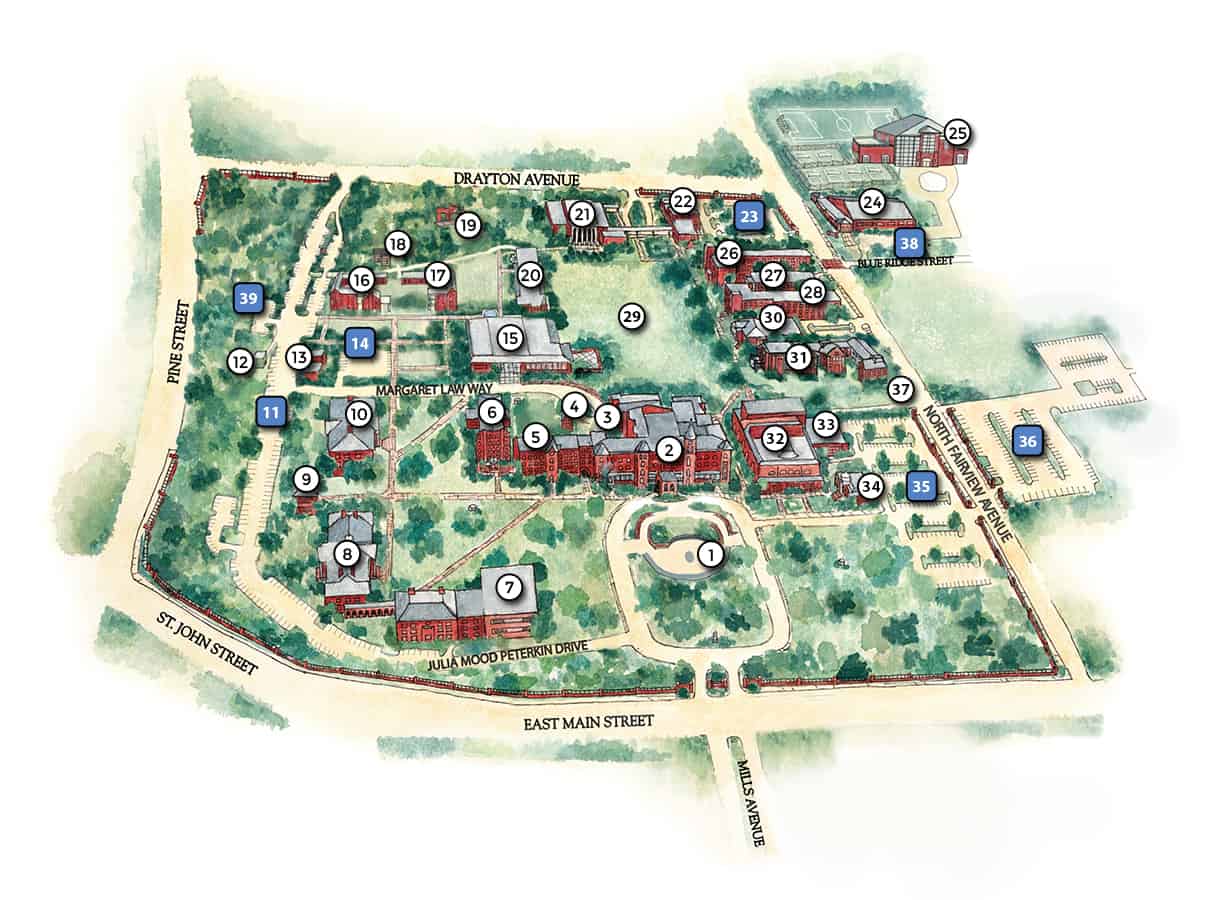
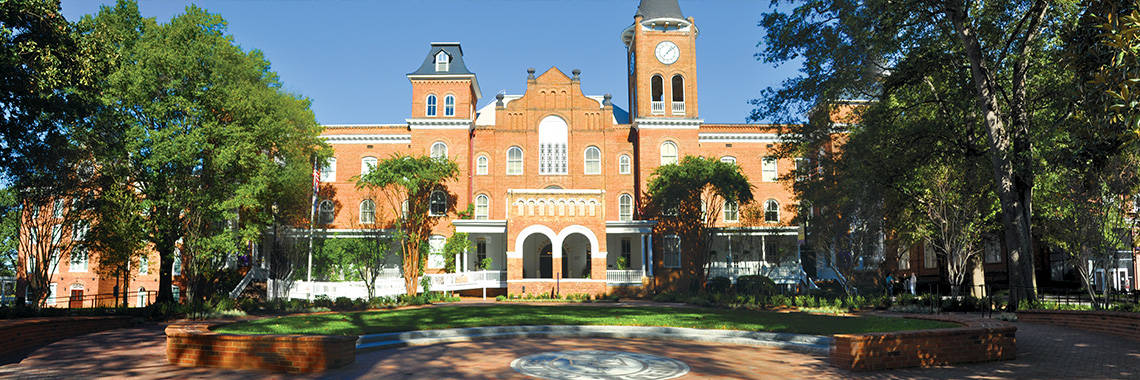
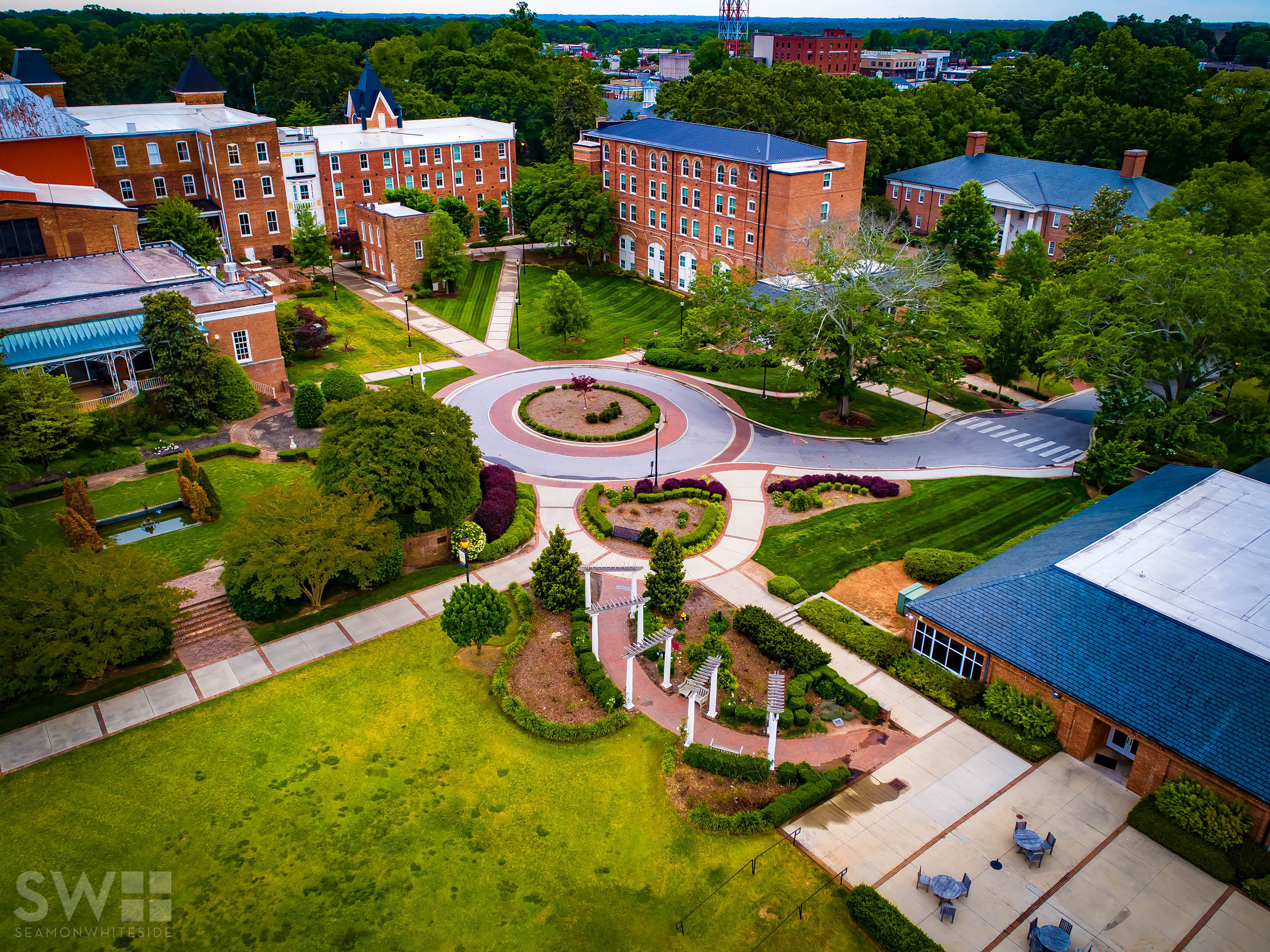
Life at Converse is defined by its small, residential campus community in Spartanburg. With a total undergraduate enrollment of about 1,165 students, the environment is intimate and interconnected. The campus itself is frequently described as historic, with a vintage feel, well-kept grounds, and a generally welcoming atmosphere. Student life extends learning beyond the classroom through a focus on community, shared experiences, and a culture of belonging that the university aims to ignite. Students can engage through various clubs, organizations, and athletics. The residential nature of the campus means that for most undergraduates, their social and academic lives are deeply intertwined within this small, collaborative setting, fostering strong peer connections.
Post-graduation outcomes for Converse alumni show a trajectory of growing earning potential. Starting salaries for graduates typically average in the $35,000-$40,000 range. This climbs to a median of approximately $38,500 ten years after entry, with other sources citing a median 10-year earnings figure of $40,867. The university reports a graduation rate of 57% for students entering in Fall 2019 who graduated within 150% of normal time (6 years). The first-year retention rate—a key indicator of student satisfaction and academic fit—is reported at 80%. These figures paint a picture of a university where many students persist and find their footing, with alumni earnings showing steady growth in the years following graduation.
Converse is a private university, and like most, it leverages institutional aid to make attendance feasible. The average —the cost after grants and scholarships are applied—is a critical figure for families. Sources report this average net price variably between $19,061 and $23,735 per year, with a high percentage (96%) of full-time beginning undergraduates receiving grant or scholarship aid. The university offers a range of endowed academic scholarships for incoming first-year students, from $10,000 to $22,000, based on academic merit. It's important to note that while Converse provides scholarships and grants (which do not need to be repaid), its financial aid materials clearly state that loans are also part of aid packages and will need to be repaid. The university does not advertise a "no-loan" policy for low-income students, which is a policy typically associated with wealthier, more highly-endowed institutions.
Converse University stands out for its compelling, almost dual-identity: it's a small, comprehensive liberal arts university that also functions as a serious training ground for artists. Few schools of its size and selectivity can boast a dedicated School of Music alongside strong musical theatre and dance programs, offering a level of specialization more commonly found at large conservatories. This creates a unique campus culture where the intensity of the arts studio or rehearsal hall coexists with the close-knit, mentorship-driven model of a liberal arts college. It’s not for the student seeking anonymity or a massive research university experience. Instead, it’s for the student who wants their professors to know their name, who thrives in a collaborative (not cutthroat) environment, and who may be looking for a rigorous artistic education without forgoing a broader liberal arts foundation. Its historic, welcoming campus in Spartanburg serves as the physical home for this distinctive blend of the creative and the collegiate.