Loading…
← All schools
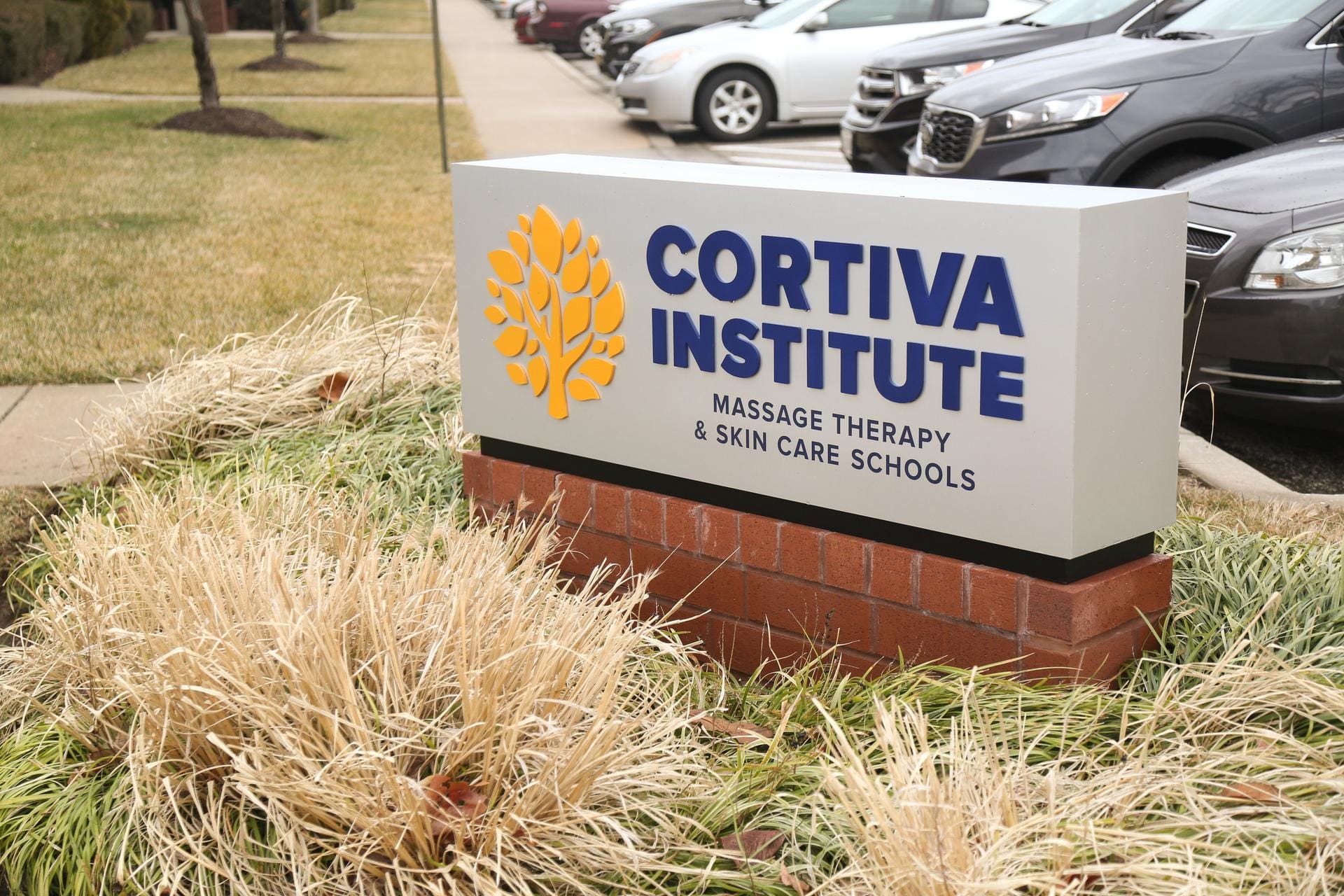
Cortiva Institute
Maitland, FLprivate forprofitwww.cortiva.edu/
Avg net price
$28,407
Earnings (10 yr)
$27,193
Acceptance & SAT from Common Data Set / IPEDS; net price, earnings & graduation from the U.S. Dept. of Education College Scorecard. Figures lag ~1–2 years — verify with the school.
Cortiva Institute is a national chain of for-profit career colleges laser-focused on fast-track training for the hands-on wellness and beauty trades. With campuses across the country, including its location in suburban Maitland, Florida, it operates more like a vocational boot camp than a traditional college, offering open admissions and accelerated programs in massage therapy, skincare, and cosmetology. The culture is intensely practical, built around small class sizes and a mission to quickly propel students—many of whom are career-changers or first-generation students—into licensed professions, though this path comes with significant financial and academic intensity that demands clear-eyed evaluation.
More details
- Undergrad enrollment
- 159
- Top Majors
- Massage Therapy, Skincare, Cosmetology
- Campus Setting
- Suburban (Maitland, FL)
- Retention Rate
- 25%
- Institution Type
- For-Profit Trade School
- Student-Faculty Ratio
- 22:1
- Median Earnings (10yr)
- $27,193
Outcomes & value
Outcomes & value
- Median earnings (10 yr)
- $27,193
- Value (earnings ÷ net price)
- 1.0×
- Median debt at graduation
- $7,521
- Reducing loan balance (3 yr)
- 43%
- Pell (lower-income) share
- 52%
- First-gen share (among federal-aid recipients)
- 42%
Earnings = median of students working ~10 years after entry; debt = median of graduates. Value divides 10-yr earnings by one year’s net price — read it as earnings per dollar of annual cost, not a full lifetime ROI; it favors lower-cost schools. Source: U.S. Dept. of Education College Scorecard. Figures lag ~2 years and reflect all students, not your intended major.
Financial health
2.4 / 3.0Meets the federal financial-responsibility standard
U.S. Dept. of Education Financial Responsibility Composite Score (FY2022-23). Scale −1.0 to 3.0; ≥1.5 meets the standard. Reported for private nonprofit & for-profit institutions only — public universities are state-backed and not scored, so this is a stability signal, not a ranking.
Campus & location
Climate
- Pleasant days / yr
- 134
- Summer high
- 89°F
- Winter low
- 54°F
- Annual rain
- 53.9"
- Natural-hazard risk
- Relatively High
Pleasant days counts days per year with a mean temperature of 55–75°F, a high at or below 90°F, a low at or above 45°F, and little precipitation — a transparent comfort measure, not a weighting we invented. Computed from Open-Meteo ERA5 daily history (2019–2023). Natural-hazard risk is the county’s composite rating from the FEMA National Risk Index.
Quick answers
- How much does Cortiva Institute cost?
- At Cortiva Institute, the average net price (after aid) is about $28,407 per year. Actual cost varies with financial aid and residency.
- How many undergraduates attend Cortiva Institute?
- Cortiva Institute enrolls approximately 159 undergraduate students.
- Where is Cortiva Institute located?
- Cortiva Institute is located in Maitland, FL.
Admissions
Cortiva Institute practices an open admissions policy, meaning it accepts virtually all applicants who meet its basic requirements. Sources for its Arlington and Maitland campuses list a 100% , reflecting its mission to provide accessible career training rather than engage in selective screening. The institute does not publish or consider standardized test scores like the SAT or ACT for admissions, and metrics such as GPA are not highlighted as barriers. The process is driven by capacity, with applicants encouraged to enroll well before their desired start date because class sizes are intentionally limited to ensure individualized instruction. There is no mention of Early Decision programs or a strategic emphasis on demonstrated interest; the admissions dynamic is purely functional, centered on filling cohort seats for its rolling start dates.
Academics
The academic model is singular and streamlined: Cortiva Institute is a trade school, not a liberal arts college. Its programs are concentrated exclusively in the personal care and wellness fields. The most specialized majors are Personal & Culinary Services and Health, with the flagship program being Massage Therapy/Therapeutic Massage. Other offerings include skincare (Facial Treatment Specialist) and cosmetology. The environment is hands-on and vocational from day one. The student-to-faculty ratio is reported at 22:1 or 23:1, supporting the institute's promise of personalized, direct instruction. An Academic Resource Center provides industry-related books, videos, and computer access, but the curriculum is narrowly focused on practical skills and state licensure requirements. A critical academic metric is the retention rate, which a source notes is 25%, indicating significant challenges in keeping students enrolled through the completion of their accelerated programs.
Compare Cortiva Institute
vs Livingstone Collegevs Florida Polytechnic Universityvs United States Coast Guard Academyvs Dillard University
See colleges similar to Cortiva Institute →Sources
- Common Data Set: Home
- Common Data Set 2025-2026
- Decoding the Common Data Set What You Need to Know for ...
- How To Use a Common Data Set
- Common Data Set: Your Key to Smarter College Decisions
- Common Data Set
- Cortiva Institute - Arlington
- Cortiva Institute Pompano Beach Admissions - BigFuture
- Cortiva Institute Statistics
- Cortiva Institute Maitland Admissions - BigFuture
- Academic Data for Cortiva Institute