Loading…
← All schools
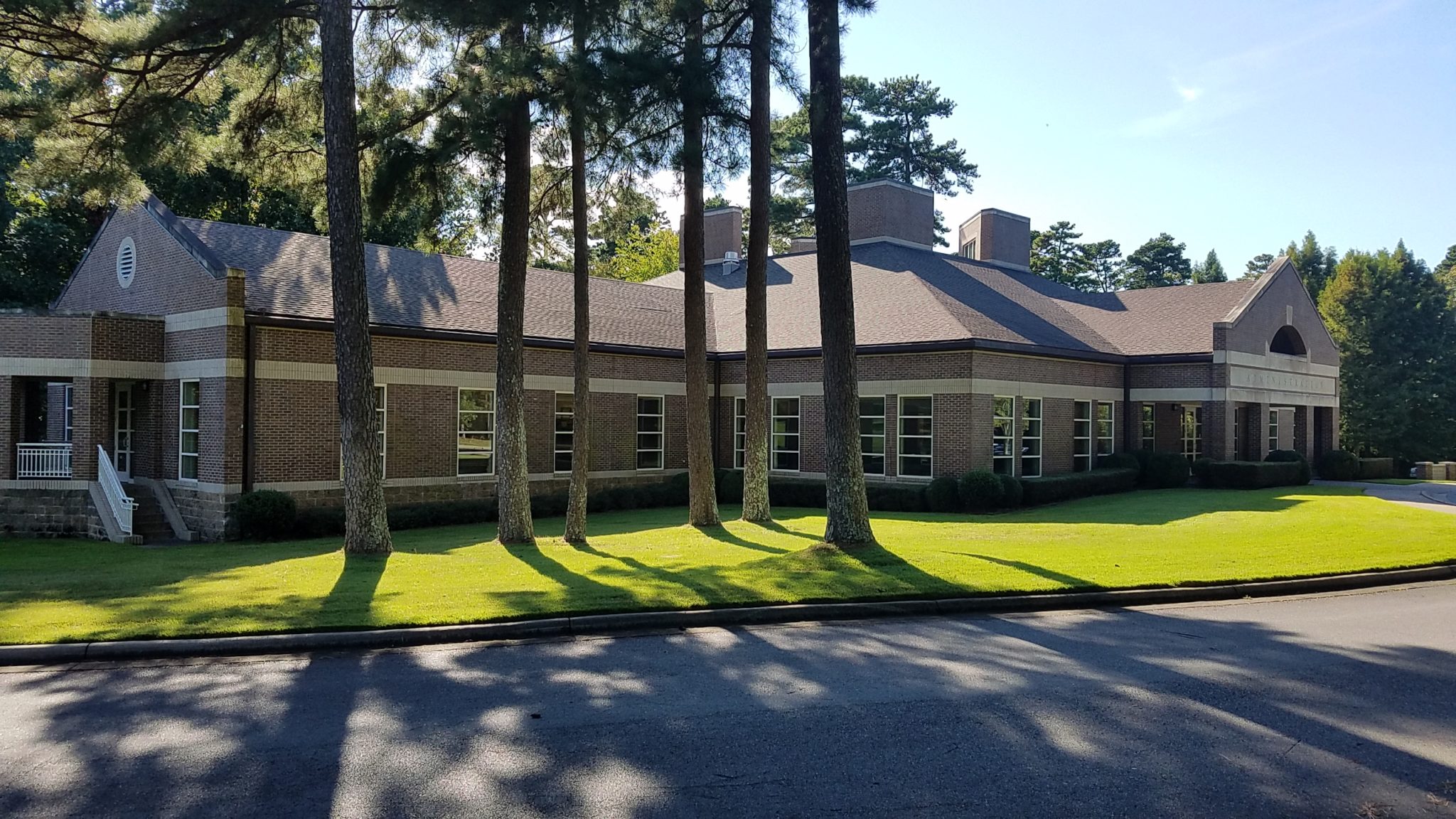
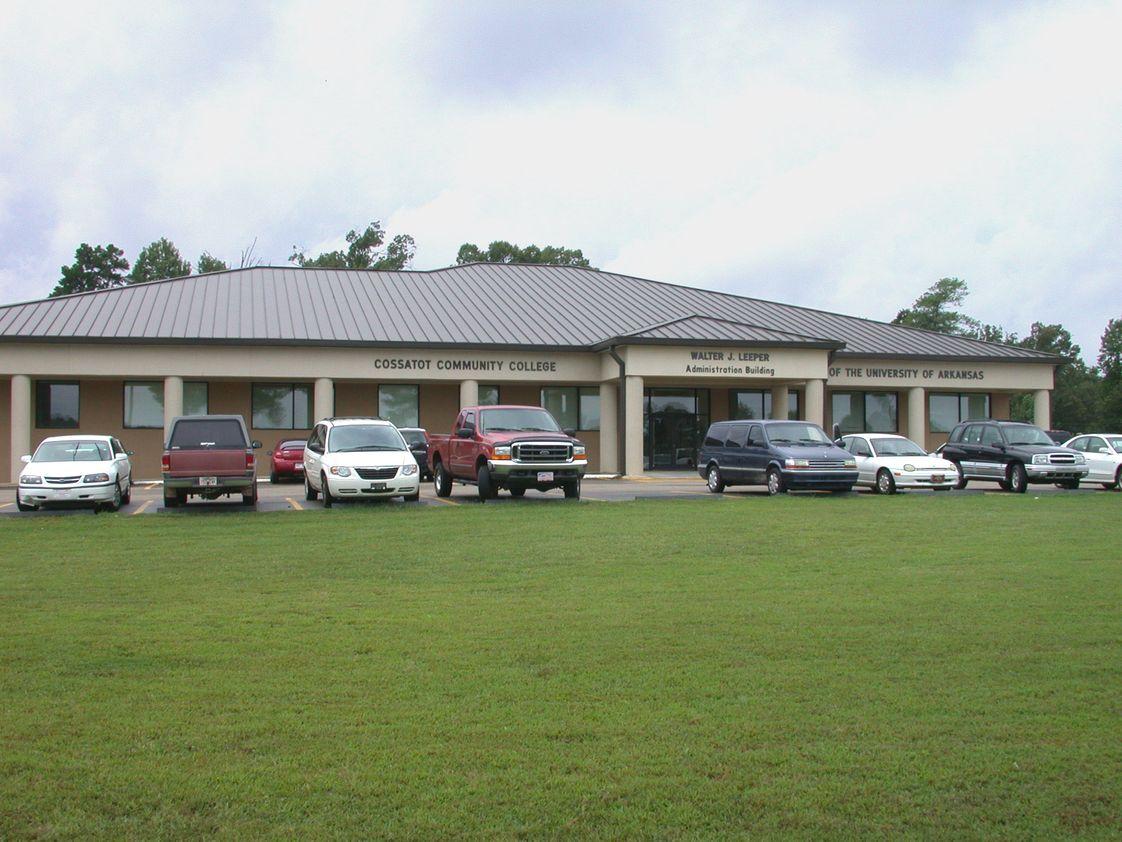
Cossatot Community College of the University of Arkansas
De Queen, ARpublicwww.cccua.edu/index.html
Avg net price
$4,385
Earnings (10 yr)
$33,775
Acceptance & SAT from Common Data Set / IPEDS; net price, earnings & graduation from the U.S. Dept. of Education College Scorecard. Figures lag ~1–2 years — verify with the school.
UA Cossatot is a rural Arkansas community college that operates on a radically different axis than the selective-university arms race. Its mission is pure access: an open-door policy, a laser focus on workforce-ready certificates and associate degrees, and a dogged commitment to affordability, including a pioneering push for textbook-free courses. This isn't a stepping stone trying to be something else; it's a purpose-built engine for economic mobility in southwest Arkansas, with a graduation rate that punches well above its weight class for the sector.
More details
- Undergrad enrollment
- 772
- In-state tuition
- $4,200
- Out-of-state tuition
- $5,070
- Popular Majors
- Liberal Arts, Health Services, Vocational Nursing
- Graduation Rate
- 54%
- Student Body Size
- ~1,312
- Median Earnings (10yr)
- $33,775
- Textbook-Free Course Leader
- Yes
Outcomes & value
Outcomes & value
- Median earnings (10 yr)
- $33,775
- Value (earnings ÷ net price)
- 7.7×
- Pell (lower-income) share
- 32%
- First-gen share (among federal-aid recipients)
- 59%
Earnings = median of students working ~10 years after entry; debt = median of graduates. Value divides 10-yr earnings by one year’s net price — read it as earnings per dollar of annual cost, not a full lifetime ROI; it favors lower-cost schools. Source: U.S. Dept. of Education College Scorecard. Figures lag ~2 years and reflect all students, not your intended major.
Campus & location
Campus safety
- On-campus violent crimes (2024)
- 0
On-campus criminal offenses classed as violent (murder/non-negligent manslaughter, rape, robbery, aggravated assault) for the most recent reported year. Source: U.S. Dept. of Education Campus Safety and Security (Clery Act). Counts reflect what’s reported to the school, and urban campuses often report more partly due to non-student incidents nearby — read alongside campus size and setting, not as a standalone safety verdict.
Climate
- Pleasant days / yr
- 80
- Summer high
- 92°F
- Winter low
- 37°F
- Annual rain
- 58.7"
- Annual snow
- 2.5"
- Natural-hazard risk
- Relatively Low
Pleasant days counts days per year with a mean temperature of 55–75°F, a high at or below 90°F, a low at or above 45°F, and little precipitation — a transparent comfort measure, not a weighting we invented. Computed from Open-Meteo ERA5 daily history (2019–2023). Natural-hazard risk is the county’s composite rating from the FEMA National Risk Index.
Deep dive — research, future-scholar output & economic mobility
Economic mobility
- Mobility rate
- 2.9%
- Bottom → top quintile
- 9%
- From bottom quintile
- 31%
Mobility rate = the share of students who both start in the bottom household-income quintile and reach the top quintile; bottom → top is that chance conditional on starting at the bottom. Source: Opportunity Insights Mobility Report Cards (Chetty, Friedman, Saez, Turner & Yagan). Reflects 1980–82 birth cohorts, so it’s directional, not current.
Quick answers
- How much does Cossatot Community College of the University of Arkansas cost?
- At Cossatot Community College of the University of Arkansas, the average net price (after aid) is about $4,385 per year. Actual cost varies with financial aid and residency.
- How many undergraduates attend Cossatot Community College of the University of Arkansas?
- Cossatot Community College of the University of Arkansas enrolls approximately 772 undergraduate students.
- Where is Cossatot Community College of the University of Arkansas located?
- Cossatot Community College of the University of Arkansas is located in De Queen, AR.
Admissions
UA Cossatot's admissions philosophy is defined by its open door. Multiple sources confirm the school has an open admissions policy, with Niche and Petersons both reporting a 100% acceptance rate. The process is designed for accessibility, not filtration. Applicants must submit a transcript of their high school record, and the college accepts placement test scores from ACCUPLACER, ACT, or SAT for course placement purposes. There is no mention of an Early Decision or Early Action process in any provided source pertaining to Cossatot; the discussions of Early Decision rates in the sources refer exclusively to selective four-year institutions and are not applicable here. Similarly, the concept of 'demonstrated interest'—a tracked metric for some private colleges—is irrelevant in an open-admissions context. The college serves a student body of approximately 1,312 students and ranks within the top 20% of community colleges in Arkansas.
Compare Cossatot Community College of the University of Arkansas
vs Florida Polytechnic Universityvs United States Coast Guard Academyvs University of Arkansas at Pine Bluffvs Alcorn State University
See colleges similar to Cossatot Community College of the University of Arkansas →Sources
- Common Data Set - Office of Strategic Analytics & Insights
- the 2024-2025 Common Data Set collection!
- Common Data Set: Home
- Where to find Common Data Set (CDS) for college ...
- Common Data Set
- Common Data Set | Office of Assessment and Decision Support
- Cossatot Community College of the University of Arkansas
- Cossatot Community College of the University of Arkansas
- Cossatot Community College of the University of Arkansas
- Apply to UA Cossatot Community College | Admissions