Loading…
← All schools
De Anza College
Cupertino, CApublicdeanza.edu
Avg net price
$6,642
Earnings (10 yr)
$56,596
Acceptance & SAT from Common Data Set / IPEDS; net price, earnings & graduation from the U.S. Dept. of Education College Scorecard. Figures lag ~1–2 years — verify with the school.
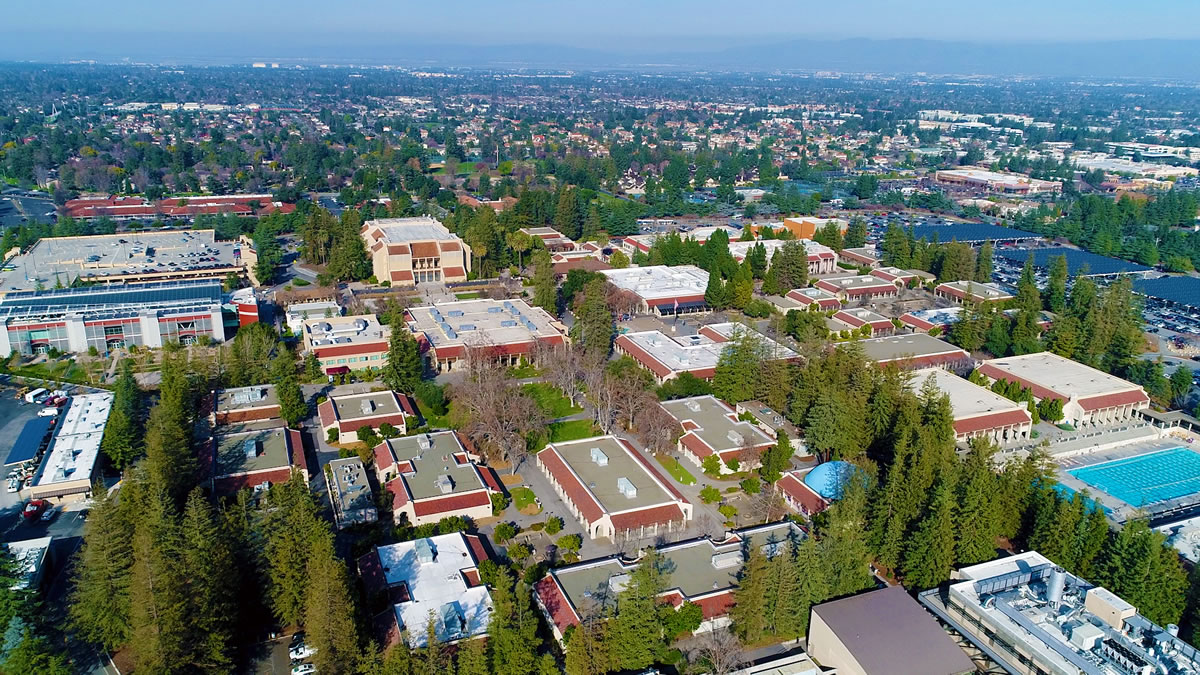
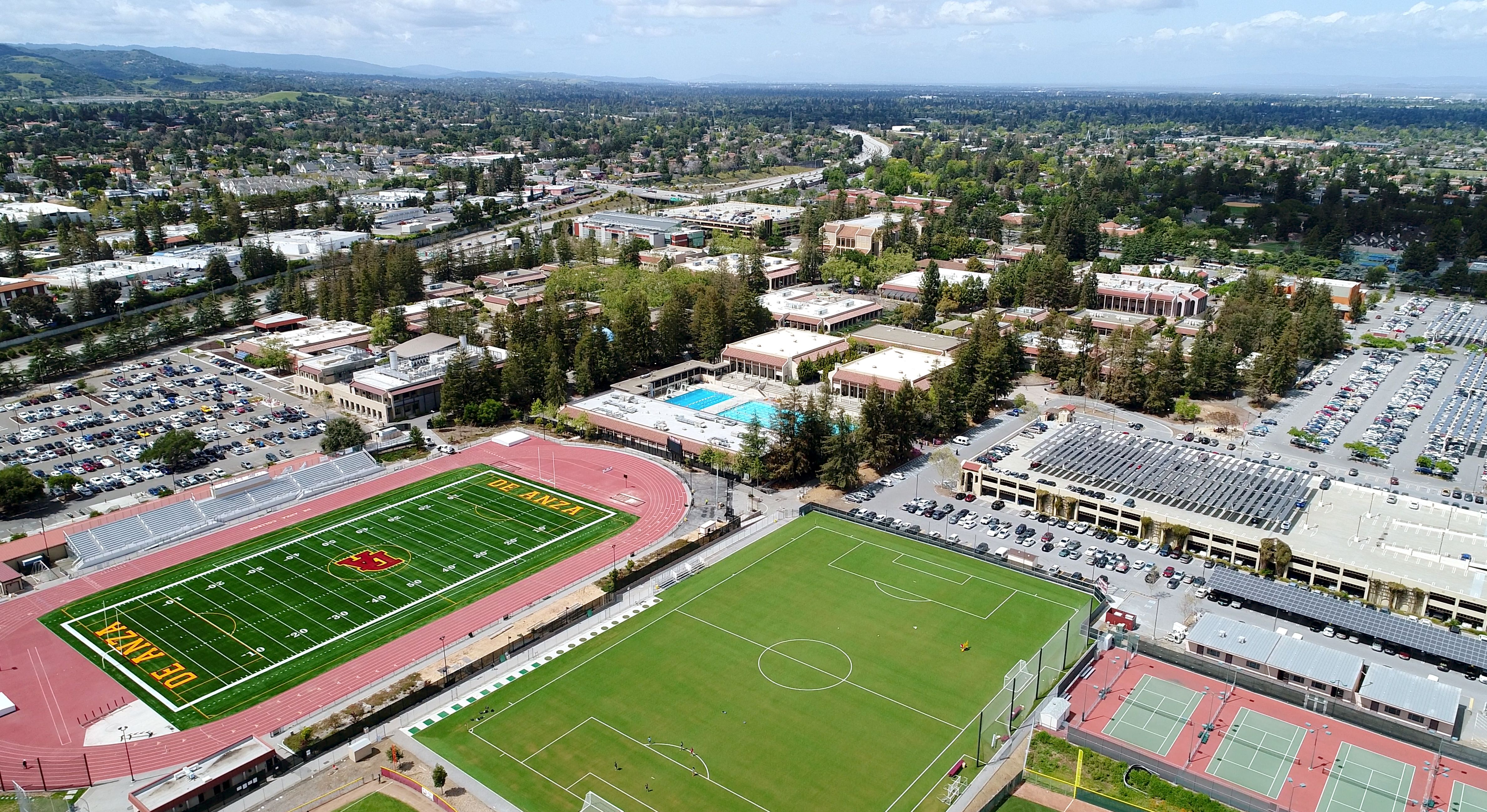
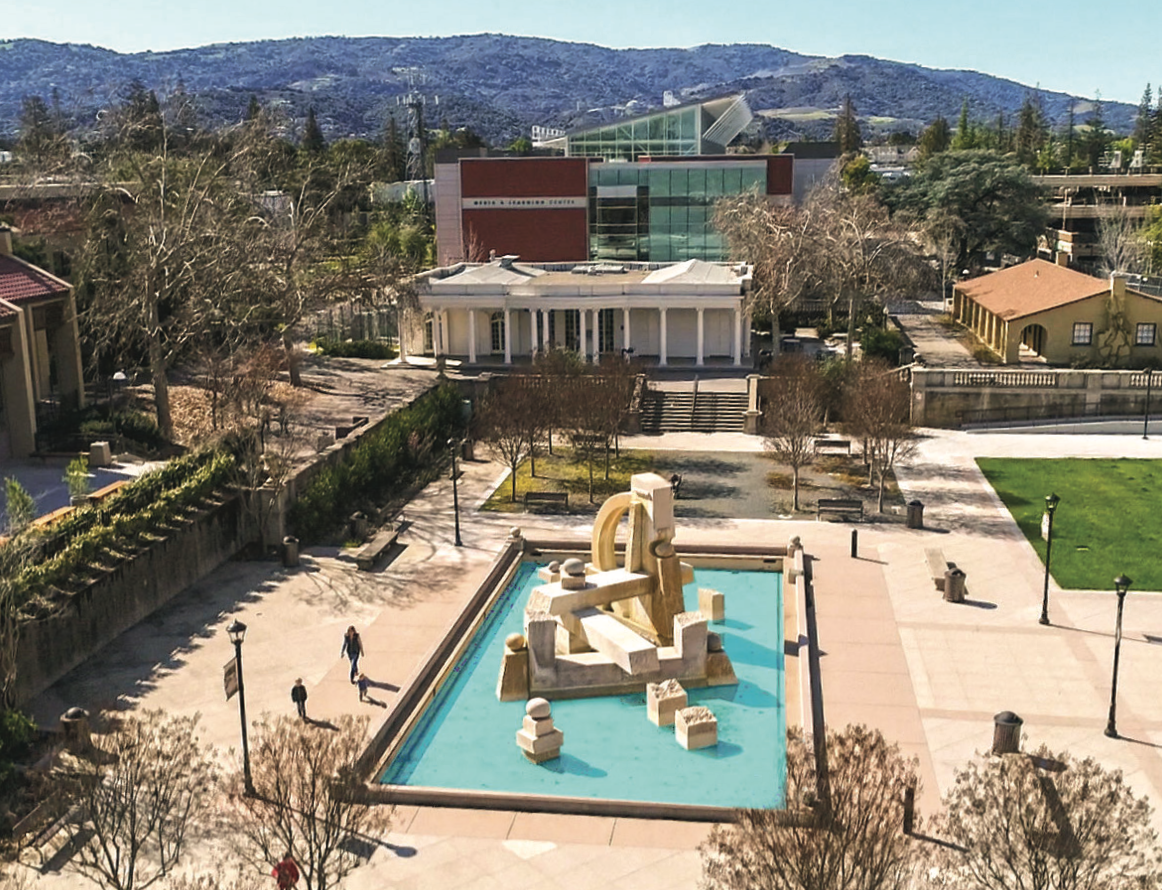
De Anza College isn't your typical community college; it's a powerhouse in the heart of Silicon Valley, known for its exceptional graduation rates and the highest median postgraduate earnings among its peers. With an open-door admissions policy, it serves a remarkably diverse student body and offers a vast academic menu, including a growing slate of AI credentials. The vibe is pragmatic, career-focused, and deeply connected to the tech industry, making it a launchpad for both immediate employment and seamless transfer to top four-year universities.
More details
- Undergrad enrollment
- 15,264
- In-state tuition
- $1,571
- Out-of-state tuition
- $12,596
- Graduation Rate
- 70%
- Student Body - Asian
- 36.39%
- Median Earnings (10yr)
- $56,596
- Associate Degree Programs
- 84
- Credit Certificate Programs
- 119
- Student Body - Hispanic/Latino
- 26.74%
Outcomes & value
Outcomes & value
- Median earnings (10 yr)
- $56,596
- Value (earnings ÷ net price)
- 8.5×
- Median debt at graduation
- $5,625
- Reducing loan balance (3 yr)
- 41%
- Pell (lower-income) share
- 18%
- First-gen share (among federal-aid recipients)
- 52%
Earnings = median of students working ~10 years after entry; debt = median of graduates. Value divides 10-yr earnings by one year’s net price — read it as earnings per dollar of annual cost, not a full lifetime ROI; it favors lower-cost schools. Source: U.S. Dept. of Education College Scorecard. Figures lag ~2 years and reflect all students, not your intended major.
Campus & location
Campus safety
- On-campus violent crimes (2024)
- 4
On-campus criminal offenses classed as violent (murder/non-negligent manslaughter, rape, robbery, aggravated assault) for the most recent reported year. Source: U.S. Dept. of Education Campus Safety and Security (Clery Act). Counts reflect what’s reported to the school, and urban campuses often report more partly due to non-student incidents nearby — read alongside campus size and setting, not as a standalone safety verdict.
Climate
- Pleasant days / yr
- 202
- Summer high
- 84°F
- Winter low
- 44°F
- Annual rain
- 20"
- Natural-hazard risk
- Very High
Pleasant days counts days per year with a mean temperature of 55–75°F, a high at or below 90°F, a low at or above 45°F, and little precipitation — a transparent comfort measure, not a weighting we invented. Computed from Open-Meteo ERA5 daily history (2019–2023). Natural-hazard risk is the county’s composite rating from the FEMA National Risk Index.
Deep dive — research, future-scholar output & economic mobility
Research output
- Institutional h-index
- 46
- Scholarly works
- 342
Institutional research volume and impact from OpenAlex. The h-index reflects large research universities and will be low for teaching-focused liberal-arts colleges — not a measure of undergraduate quality.
Quick answers
- How much does De Anza College cost?
- At De Anza College, the average net price (after aid) is about $6,642 per year. Actual cost varies with financial aid and residency.
- How many undergraduates attend De Anza College?
- De Anza College enrolls approximately 15,264 undergraduate students.
- Where is De Anza College located?
- De Anza College is located in Cupertino, CA.
Admissions
De Anza operates on an open-admission policy, meaning anyone with a high school diploma or equivalent is eligible to enroll. This is reflected in its reported 100% . The process is straightforward: prospective students apply online, and the college reviews applications on a rolling basis, with new international students admitted four times a year (fall, winter, spring, and summer). There is no mention of Early Decision or Early Action programs, which are typically features of selective four-year institutions; De Anza's admissions are non-competitive and focused on access. The student body that results from this policy is notably diverse: demographics show an Asian plurality (36.39%), followed by Hispanic/Latino (26.74%), White (19.38%), and Black or African American (2.71%) students.
Academics
The academic offering at De Anza is expansive and precisely calibrated for the modern economy. The college awards 84 associate degrees and 119 credit certificates, plus one bachelor's degree and 30 noncredit certificates. Instruction is delivered on a quarter system. Its catalog is constantly evolving, with over 20 new programs introduced recently, including six focused on Artificial Intelligence, reflecting its Silicon Valley location. Fields like Accounting, Automotive Technology, and Business are also highlighted for expansion. Reviews often praise the quality of instruction, noting "highly qualified instructors with advanced degrees." This robust academic infrastructure supports two primary student pathways: direct entry into the workforce with a career-focused certificate or degree, and preparation for transfer to a four-year university.
Compare De Anza College
vs California State Polytechnic University-Pomonavs University of Colorado Denver/Anschutz Medical Campusvs United States Air Force Academyvs CUNY John Jay College of Criminal Justice
See colleges similar to De Anza College →Sources
- Research Reports and Data
- De Anza College - IPEDS - Department of Education
- Apply and Register
- Common Data Set: Home
- Common Data Set
- De Anza College
- De Anza College - Niche
- Admission Requirements - De Anza College
- De Anza College - Tuition and Acceptance Rate
- De Anza College Admissions - BigFuture College Search
- De Anza College Admission, Acceptance Rate, SAT, ACT & GPA
- De Anza College Statistics | Overgrad