Loading…
← All schools
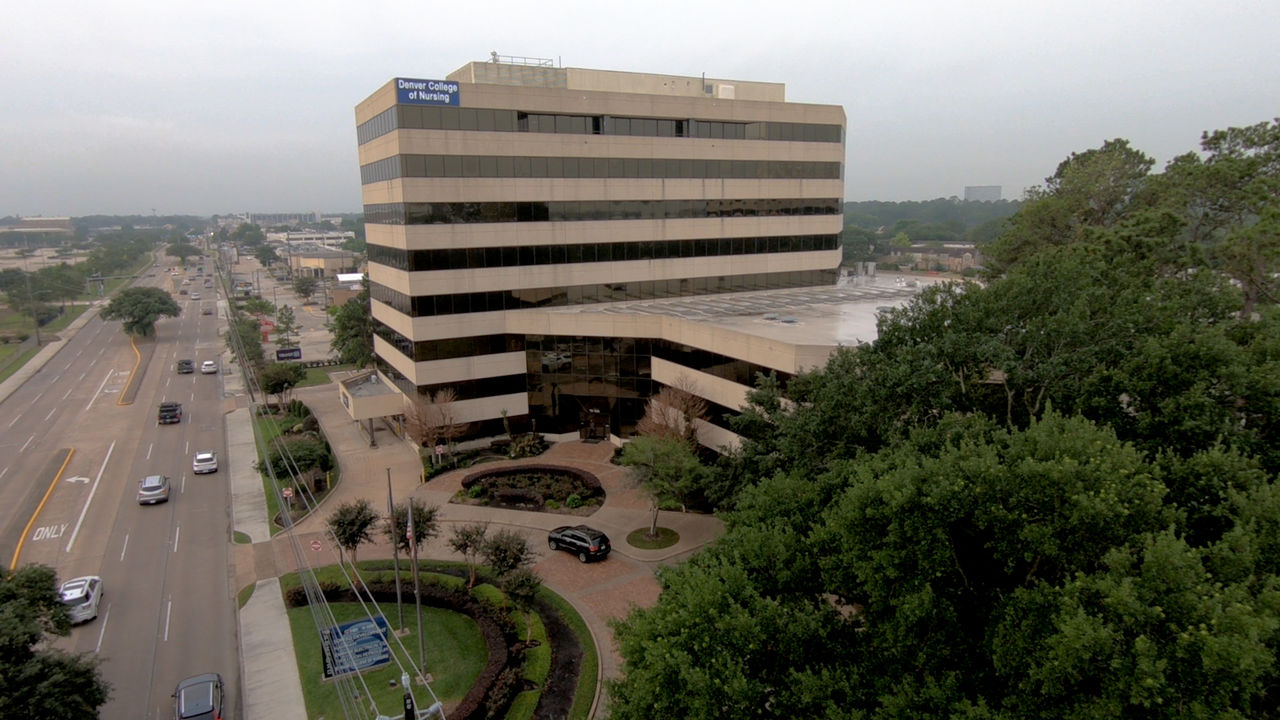
Denver College of Nursing
Denver, COprivate forprofitwww.denvercollegeofnursing.edu/
Denver College of Nursing is a single-purpose, for-profit institution laser-focused on turning out nurses. With an acceptance rate hovering around 88%, it positions itself as an accessible gateway into a high-demand field, though its financial model and student outcomes have drawn sharp criticism. The experience is defined by an intense, career-specific curriculum with little of the traditional undergraduate social or residential life, making it a pragmatic, high-stakes choice for those certain of their path.
More details
- Undergrad enrollment
- 757
- Top Majors
- Registered Nursing, Nursing Administration, Nursing Research, Clinical Nursing
- Median Earnings (10yr)
- $81,809
- Graduation Rate (Program)
- 90.5%
Outcomes & value
Outcomes & value
- Median earnings (10 yr)
- $81,809
- Median debt at graduation
- $26,500
- Reducing loan balance (3 yr)
- 78%
- Pell (lower-income) share
- 27%
- First-gen share (among federal-aid recipients)
- 32%
Earnings = median of students working ~10 years after entry; debt = median of graduates. Value divides 10-yr earnings by one year’s net price — read it as earnings per dollar of annual cost, not a full lifetime ROI; it favors lower-cost schools. Source: U.S. Dept. of Education College Scorecard. Figures lag ~2 years and reflect all students, not your intended major.
Financial health
-0.5 / 3.0Below the federal standard — financial stress
U.S. Dept. of Education Financial Responsibility Composite Score (FY2022-23). Scale −1.0 to 3.0; ≥1.5 meets the standard. Reported for private nonprofit & for-profit institutions only — public universities are state-backed and not scored, so this is a stability signal, not a ranking.
Top-earning majors
Median earnings by field of study (highest credential), ~2 years after completion.
- Registered Nursing, Nursing Administration, Nursing Research and Clinical Nursing$59,321
Source: U.S. Dept. of Education College Scorecard (field-of-study earnings). Figures cover graduates who received federal aid and lag ~2 years; not all programs report data.
Compare on earnings: best colleges for Nursing
Campus & location
Campus safety
- On-campus violent crimes (2024)
- 0
- Per 1,000 students
- 0.00
On-campus criminal offenses classed as violent (murder/non-negligent manslaughter, rape, robbery, aggravated assault) for the most recent reported year. Source: U.S. Dept. of Education Campus Safety and Security (Clery Act). Counts reflect what’s reported to the school, and urban campuses often report more partly due to non-student incidents nearby — read alongside campus size and setting, not as a standalone safety verdict.
Climate
- Pleasant days / yr
- 71
- Summer high
- 87°F
- Winter low
- 16°F
- Annual rain
- 16.1"
- Annual snow
- 42.7"
- Natural-hazard risk
- Relatively High
Pleasant days counts days per year with a mean temperature of 55–75°F, a high at or below 90°F, a low at or above 45°F, and little precipitation — a transparent comfort measure, not a weighting we invented. Computed from Open-Meteo ERA5 daily history (2019–2023). Natural-hazard risk is the county’s composite rating from the FEMA National Risk Index.
Quick answers
- How many undergraduates attend Denver College of Nursing?
- Denver College of Nursing enrolls approximately 757 undergraduate students.
- Where is Denver College of Nursing located?
- Denver College of Nursing is located in Denver, CO.
Admissions
Admissions at Denver College of Nursing are characterized by high accessibility, with reported consistently around 87.5% to 88%. The process appears to be a straightforward gateway for applicants committed to nursing, rather than a highly selective filter. The school does not require SAT or ACT scores for admission, focusing instead on other prerequisites for its nursing programs. There is no mention of Early Decision plans or a policy of considering demonstrated interest in the admissions process, aligning with its open-access mission. The primary admissions information directs prospective students to contact the school directly for specific requirements for its ADN, BSN, and RN-to-BSN tracks.
Academics
Compare Denver College of Nursing
vs New Mexico Institute of Mining and Technologyvs Scrippsvs Emory University-Oxford Collegevs United States Coast Guard Academy
See colleges similar to Denver College of Nursing →Sources
- Common Data Set 2024-2025
- A. General Information
- Common Data Set: Home
- Common Data Set
- Common Data Set Explorer 2026: Compare 100 Colleges
- Common Data Set Repository
- Denver College of Nursing Admissions - (2025-2026)
- Denver School of Nursing Requirements for Admission
- Denver College of Nursing-Houston Admissions & Acceptance
- Denver College of Nursing - Tuition and Acceptance Rate
- Denver College of Nursing Admissions