Loading…
← All schools
DeVry College of New York
New York, NYprivate forprofitdevry.edu
Acceptance
100%
Avg net price
$12,855
Earnings (10 yr)
$45,987
Graduation rate
31%
Admit rate has ranged 27%–100% over the last 5 years — notably volatile. Source: IPEDS via Urban Institute.
Acceptance & SAT from Common Data Set / IPEDS; net price, earnings & graduation from the U.S. Dept. of Education College Scorecard. Figures lag ~1–2 years — verify with the school.
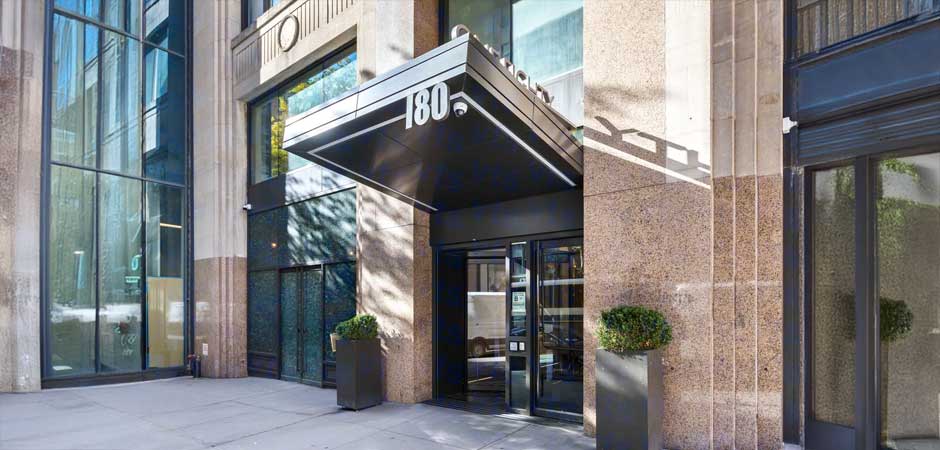
DeVry College of New York operates on a fundamentally different axis than a traditional liberal arts college. It’s a hyper-practical, career-first institution in Midtown Manhattan where the 100% acceptance rate signals a mission of broad access, not selectivity. The experience is defined by a tight 6:1 student-faculty ratio, a hybrid learning model, and a relentless focus on business and technology outcomes, though its 31% graduation rate underscores the significant challenges many of its students face in persisting to a degree.
Admission requirements
Test-optional — scores considered if submitted
Required
- High school transcript
- Grade point average
Considered (not required)
- Test scores (SAT/ACT)
- TOEFL (non-native English)
Source: IPEDS Admissions survey (2022) via Urban Institute. Covers formal factors only — it does not reflect essays, extracurriculars, or other holistic criteria.
More details
- Undergrad enrollment
- 86
- In-state tuition
- $17,408
- Out-of-state tuition
- $17,408
- Housing
- Not available
- Top Major
- Business Administration, Management and Operations
- Learning Model
- Hybrid
- Graduation Rate
- 31%
- Student-Faculty Ratio
- 6:1
- Median Earnings (10yr)
- $45,987
Outcomes & value
Outcomes & value
- Median earnings (10 yr)
- $45,987
- Value (earnings ÷ net price)
- 3.6×
- Median debt at graduation
- $24,807
- Graduation rate
- 31%
- First-year retention
- —
- Reducing loan balance (3 yr)
- 38%
- Pell (lower-income) share
- 51%
- First-gen share (among federal-aid recipients)
- 50%
Top-earning majors
Median earnings by field of study (highest credential), ~2 years after completion.
- Electrical/Electronic Engineering Technologies/Technicians$61,702
- Computer Engineering Technologies/Technicians$57,499
- Electromechanical Technologies/Technicians$54,192
- Computer Systems Networking and Telecommunications$53,718
- Computer Systems Analysis$52,242
- Business Administration, Management and Operations
Campus & location
Campus safety
- On-campus violent crimes (2024)
- 0
- Per 1,000 students
- 0.00
On-campus criminal offenses classed as violent (murder/non-negligent manslaughter, rape, robbery, aggravated assault) for the most recent reported year. Source: U.S. Dept. of Education Campus Safety and Security (Clery Act). Counts reflect what’s reported to the school, and urban campuses often report more partly due to non-student incidents nearby — read alongside campus size and setting, not as a standalone safety verdict.
Climate
- Pleasant days / yr
- 90
- Summer high
- 83°F
- Winter low
- 29°F
- Annual rain
- 54.4"
- Annual snow
- 18.3"
- Natural-hazard risk
- Relatively High
Pleasant days counts days per year with a mean temperature of 55–75°F, a high at or below 90°F, a low at or above 45°F, and little precipitation — a transparent comfort measure, not a weighting we invented. Computed from Open-Meteo ERA5 daily history (2019–2023). Natural-hazard risk is the county’s composite rating from the FEMA National Risk Index.
Quick answers
- What is the acceptance rate at DeVry College of New York?
- DeVry College of New York's acceptance rate is approximately 100% (New York, NY), based on the most recent figures we compiled from public and primary sources.
- How much does DeVry College of New York cost?
- At DeVry College of New York, the average net price (after aid) is about $12,855 per year. Actual cost varies with financial aid and residency.
- How many undergraduates attend DeVry College of New York?
- DeVry College of New York enrolls approximately 86 undergraduate students.
- Where is DeVry College of New York located?
- DeVry College of New York is located in New York, NY.
Admissions
DeVry’s admissions process is defined by open access, not gatekeeping. The is a flat 100%, a figure consistently reported across multiple sources, meaning every applicant who meets the basic requirements is admitted. This is a non-selective process by design, aligning with the institution's mission to provide career-focused education to a broad population. While standardized test scores (SAT or ACT) are considered but not required, the university does publish minimum score benchmarks for evaluating college-level skills: an ACT Math score of 17 and an ACT English score of 17. The process appears streamlined, with no indication of Early Decision programs or that demonstrated interest is a factor in evaluations. The sheer openness of admissions means the student body is self-selecting, comprised of those seeking a specific, career-oriented path rather than competing for scarce seats.
Academics
Academics at DeVry are laser-focused on applied fields, with Business Administration, Management and Operations standing out as a top major. The curriculum is designed as a "dynamic process that bridges academic study with" practical career skills, emphasizing areas like technology and healthcare. The learning model is hybrid, combining online and on-campus instruction at its Midtown Manhattan location, offering flexibility for students who may be working or have other commitments. A defining feature of the academic experience is the remarkably low student-faculty ratio of 6:1, which suggests the potential for significant individual attention in classes and projects. The university promotes its national rankings, including being ranked #2 for Best Information Technology Colleges in America and #44 for Best Online Colleges in America, positioning itself as a leader in career-oriented, flexible education.
Compare DeVry College of New York
vs SUNY College at Potsdamvs Fisher Collegevs Thaddeus Stevens College of Technologyvs Goucher College
See colleges similar to DeVry College of New York →Sources
- Common Data Set Ultimate Guide: Use It to Find the Right College
- [PDF] Common Data Set 202
- [PDF] Common Data Set 2019-2020 - Institutional Research - CUNY
- The Common Data Set: What It Is & How to Use It In College ...
- Common Data Set: Home
- Demystifying the Common Data Set - Top Tier Admissions
- DeVry University - New York Admission Requirements - PrepScholar
- DeVry University - California - Niche
- DeVry University: Sherman Oaks Admissions - BigFuture
- Undergraduate Admissions Requirements - DeVry University
- DeVry College of New York - Midtown Manhattan - Peterson's