Admit rate has ranged 28%–100% over the last 5 years — notably volatile, though the latest figure above (26%) falls outside that window. Source: IPEDS via Urban Institute.
Acceptance & SAT from Common Data Set / IPEDS; net price, earnings & graduation from the U.S. Dept. of Education College Scorecard. Figures lag ~1–2 years — verify with the school.
The Digital Media Institute (DMI) in Shreveport, Louisiana, is a highly focused, career-driven institution that operates more like a professional studio bootcamp than a traditional liberal arts college. With a selective 26% acceptance rate and an intense, project-based curriculum, it funnels students directly into the technical and creative pipelines of the entertainment and marketing industries. The vibe is hands-on, pragmatic, and immersive, centered on mastering the specific software and storytelling tools demanded by employers in gaming, VFX, and digital advertising.
Admission requirements
Test-blind — scores not considered
Required
High school transcript
Grade point average
Demonstrated competencies
Considered (not required)
Class rank
Letters of recommendation
College-prep program
Source: IPEDS Admissions survey (2022) via Urban Institute. Covers formal factors only — it does not reflect essays, extracurriculars, or other holistic criteria.
More details
Undergrad enrollment
7
Standardized Tests
Neither required nor recommended
First-Year Retention
100%
6-Year Graduation Rate
65%
Earnings 1yr After Graduation
$36,427
Earnings 5yrs After Graduation
$45,519
Outcomes & value
Outcomes & value
Pell (lower-income) share
28%
Earnings = median of students working ~10 years after entry; debt = median of graduates. Value divides 10-yr earnings by one year’s net price — read it as earnings per dollar of annual cost, not a full lifetime ROI; it favors lower-cost schools. Source: U.S. Dept. of Education College Scorecard. Figures lag ~2 years and reflect all students, not your intended major.
Financial health
2.2 / 3.0Meets the federal financial-responsibility standard
U.S. Dept. of Education Financial Responsibility Composite Score (FY2022-23). Scale −1.0 to 3.0; ≥1.5 meets the standard. Reported for private nonprofit & for-profit institutions only — public universities are state-backed and not scored, so this is a stability signal, not a ranking.
Campus & location
Campus safety
On-campus violent crimes (2024)
0
On-campus criminal offenses classed as violent (murder/non-negligent manslaughter, rape, robbery, aggravated assault) for the most recent reported year. Source: U.S. Dept. of Education Campus Safety and Security (Clery Act). Counts reflect what’s reported to the school, and urban campuses often report more partly due to non-student incidents nearby — read alongside campus size and setting, not as a standalone safety verdict.
Climate
Pleasant days / yr
93
Summer high
92°F
Winter low
42°F
Annual rain
52.3"
Annual snow
2.5"
Natural-hazard risk
Relatively Moderate
Pleasant days counts days per year with a mean temperature of 55–75°F, a high at or below 90°F, a low at or above 45°F, and little precipitation — a transparent comfort measure, not a weighting we invented. Computed from Open-Meteo ERA5 daily history (2019–2023). Natural-hazard risk is the county’s composite rating from the FEMA National Risk Index.
Quick answers
What is the acceptance rate at Digital Media Institute?
Digital Media Institute's acceptance rate is approximately 26% (Shreveport, LA), based on the most recent figures we compiled from public and primary sources.
How much does Digital Media Institute cost?
At Digital Media Institute, the average net price (after aid) is about $30,205 per year. Actual cost varies with financial aid and residency.
How many undergraduates attend Digital Media Institute?
Digital Media Institute enrolls approximately 7 undergraduate students.
Where is Digital Media Institute located?
Digital Media Institute is located in Shreveport, LA.
Admissions
Admissions at the Digital Media Institute are competitive, with an of 26%. The process is notably or test-free; the institute neither requires nor recommends SAT or ACT scores, aligning with a broader shift in digital media programs away from standardized testing. For the small entering class, the rate—the percentage of admitted students who enroll—is an exceptionally high 83.3%, indicating that those who are admitted are highly committed to DMI's specialized mission. The admissions factors considered are not detailed in the provided snippets for DMI specifically, but the Common Data Set framework (specifically section C7) is the standardized tool colleges use to communicate which factors—like rigor of secondary school record, class rank, GPA, essays, recommendations, extracurriculars, and demonstrated interest—they weigh as 'very important,' 'important,' 'considered,' or 'not considered.' Prospective students should consult DMI's own CDS to understand its specific priorities.
Acceptance Rate: 26% (Canonical Figure)
Yield Rate: 83.3%
Standardized Tests: Neither required nor recommended.
The academic experience at DMI is singularly focused and intensely practical. The institute offers what it calls 'one of the most comprehensive 2-year associate degrees of its kind,' designed to teach 'the tools of the marketing, branding and advertising world.' The curriculum is interdisciplinary, emphasizing the importance of media in a global sphere and blending digital with traditional techniques. While the provided sources reference broader digital media studies at other institutions—covering graphic design, motion graphics, animation, visual effects, digital filmmaking, video game design, video creation, and editing—DMI's own program in Shreveport is explicitly geared to prepare students to work in Louisiana's growing digital media and entertainment industry using innovative techniques. This is not a theory-heavy program; it's a dynamic, project-focused training ground for specific 21st-century creative technical careers.
Degree Offered: A comprehensive 2-year associate degree.
Program Focus: Marketing, branding, advertising, and entertainment industry tools.
Pedagogy: Project-focused, interdisciplinary, and industry-aligned.
Life at DMI revolves around the studio and the project. As an institution dedicated to powering the entertainment industry, the student experience is likely characterized by long hours mastering software, collaborating on creative projects, and building a professional portfolio. The institute is part of a state-driven initiative to grow Louisiana's digital media space, suggesting a culture connected to local industry opportunities and potentially state-supported initiatives like LED FastStart. While a generalized 'day in the life' of a digital media student elsewhere might involve balancing gym sessions, class, and faith, DMI's environment in Shreveport is presumably more concentrated on immersive, career-preparatory work. The institute may also engage with the broader community through programs like summer workshops for younger students, a common outreach model in digital media fields.
DMI demonstrates strong student persistence and solid early-career earnings growth. The institute reports a very high first-year retention rate of 100%, meaning every freshman continues into their second year—a powerful indicator of student satisfaction and institutional support. The six-year graduation rate is 65%. For outcomes, earnings one year after graduation are reported at $36,427, which grows to $45,519 five years after graduation, showing meaningful salary progression as graduates gain experience in the field. These figures are specific to DMI graduates. For context, national salary ranges for digital media graduates broadly can vary widely from $54,000 to over $130,000 annually depending on career path and experience.
The sticker price for DMI is clear: tuition is $26,000 per year, plus fees. However, the average —what students actually pay after grants and scholarships—is $30,205. The institute offers a comprehensive set of student aid, including merit-based and financial need scholarships for qualified applicants. Financial aid packages can include federal grant aid (averaging $1,591), state grant aid ($4,965), and institutional grant aid ($12,000). Students are directed to use the Net Price Calculator on DMI's website and to contact the institute for details on how to apply for scholarships. The provided sources on 'no-loan' policies and meeting full need reference policies at other, typically wealthier institutions; there is no information indicating DMI has a formal 'no-loan' policy or guarantees to meet 100% of demonstrated need without loans.
Annual Tuition: $26,000 (+ fees)
Average Net Price: $30,205 (Canonical Figure)
Average Institutional Grant Aid: $12,000
Financial Aid: Merit and need-based scholarships available.
DMI stands out for its razor-sharp, unapologetic focus. It is not trying to be a comprehensive university; it's a specialized institute with a clear mission: to be a talent pipeline for the digital entertainment and marketing sectors, specifically within the state of Louisiana's strategic economic development plans. Its 83.3% rate screams that it attracts applicants who know exactly what they want—a fast, intensive, tool-based education—and its 100% first-year retention rate suggests it delivers on that promise effectively. The combination of a selective admissions rate (26%) with a high graduation rate (65%) and strong early-career earnings growth indicates a program that successfully identifies motivated students and prepares them for tangible, in-demand jobs. In a landscape of broad liberal arts curricula, DMI is a vocational powerhouse for the digital age, offering a direct, two-year path into a creative technical career.
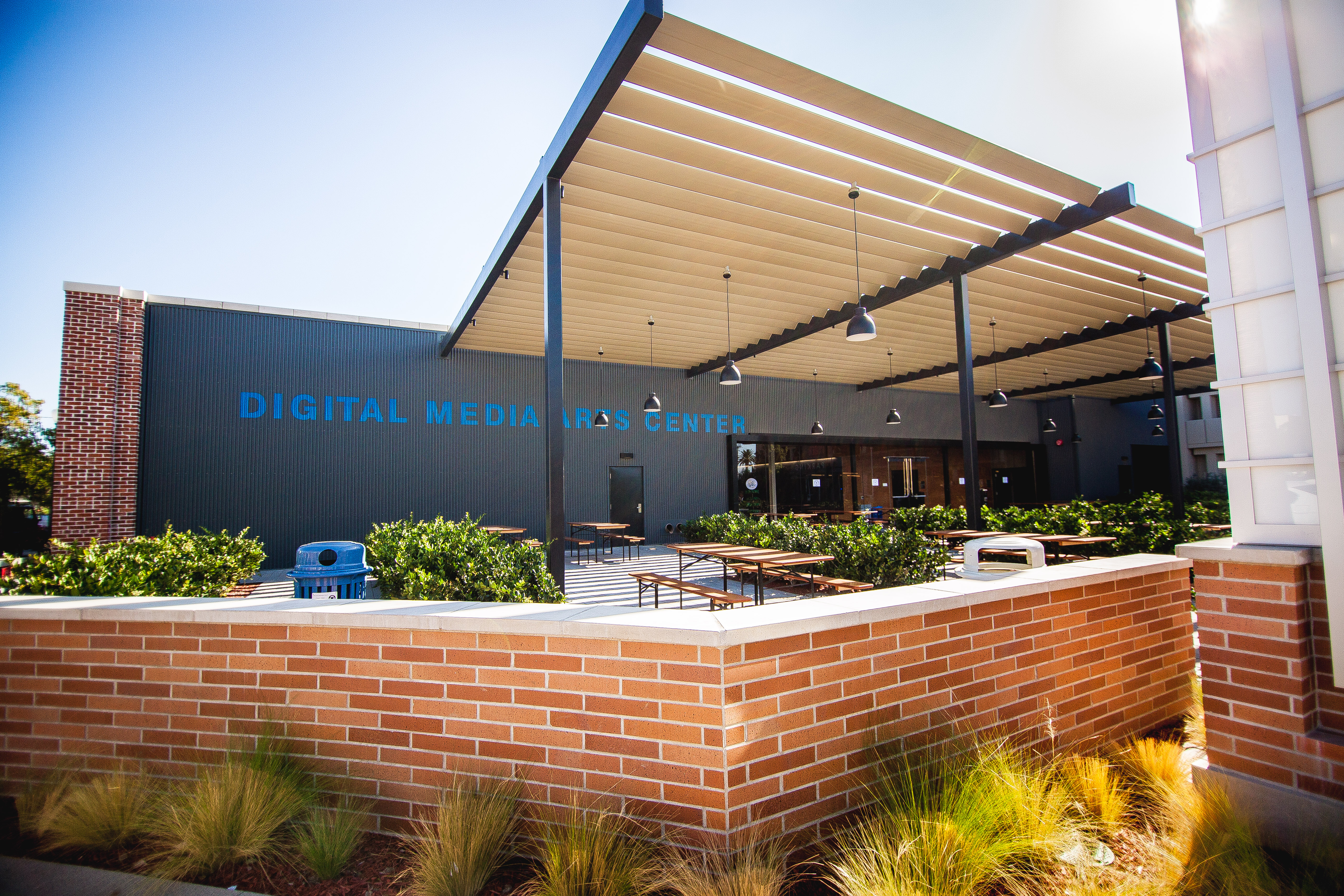
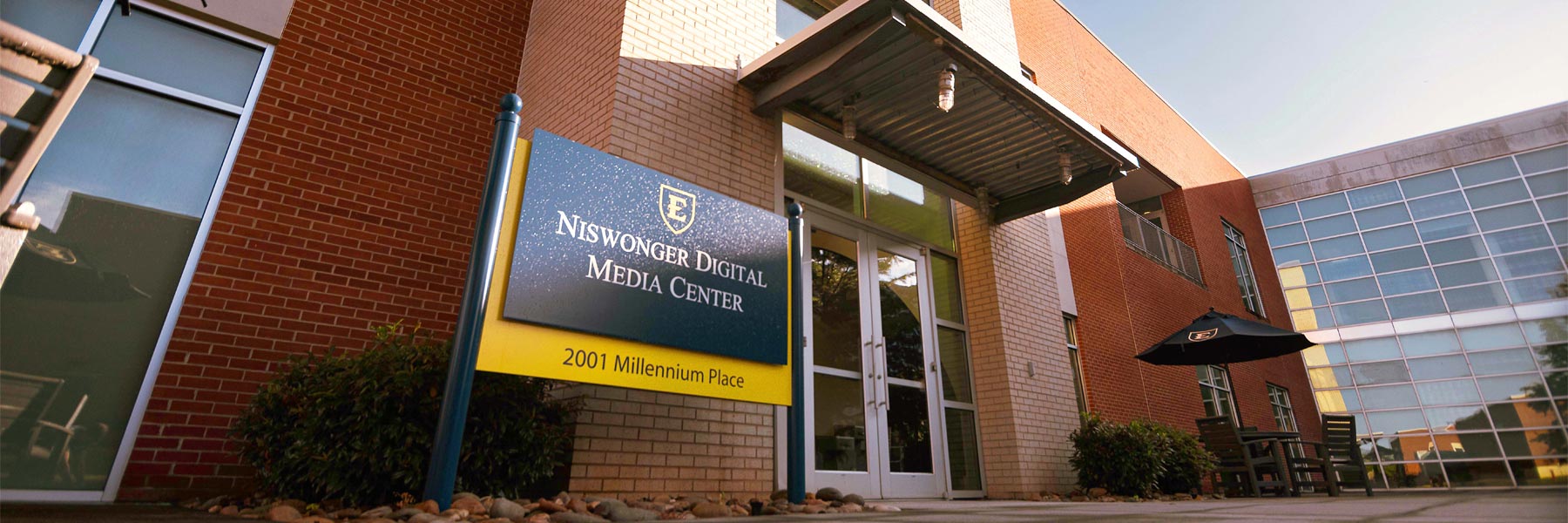
Digital Media Institute seal · sourceLSU Digital Media Center to reopen after elevated CO2 levels - Reveille · sourceDigital Media · sourceCampus - SMIT · source