Loading…
← All schools
Eastern Virginia Career College
Fredericksburg, VAprivate forprofitwww.evcc.edu/
Acceptance
96%
Earnings (10 yr)
$37,304
Admit rate has ranged 53%–87% over the last 5 years — notably volatile, though the latest figure above (96%) falls outside that window. Source: IPEDS via Urban Institute.
Acceptance & SAT from Common Data Set / IPEDS; net price, earnings & graduation from the U.S. Dept. of Education College Scorecard. Figures lag ~1–2 years — verify with the school.
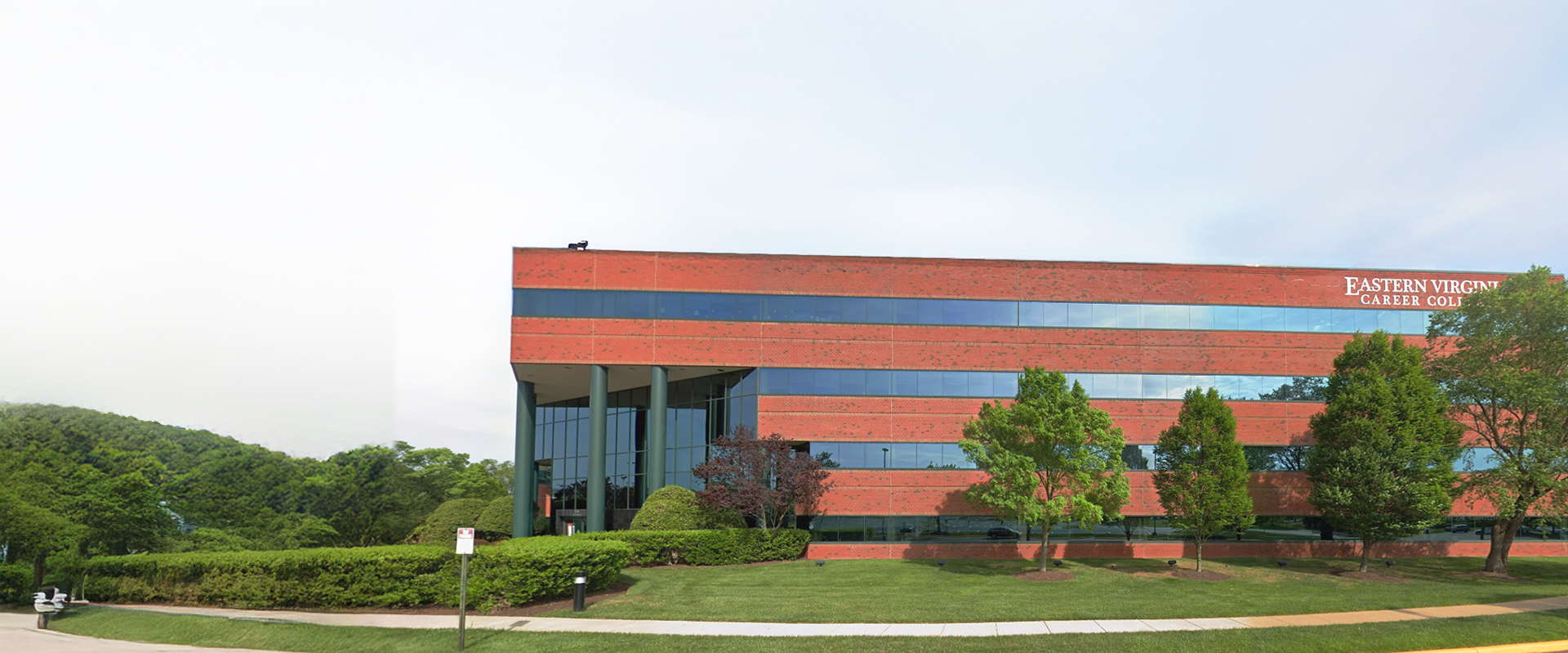
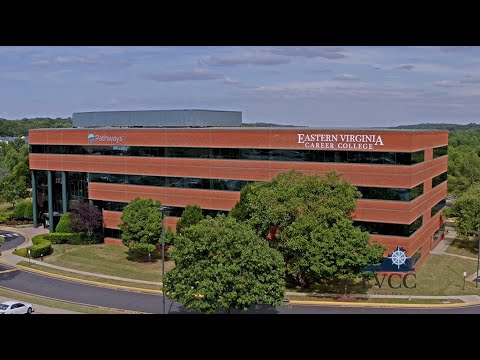
Eastern Virginia Career College is not a traditional four-year university; it's a hyper-focused, pragmatic trade school where the clock starts ticking the moment you enroll. Founded over a quarter-century ago, EVCC operates on a simple, compelling premise: strip away the liberal arts core and deliver accelerated, hands-on training for specific healthcare and technical roles. The vibe is less 'college campus' and more 'professional bootcamp,' with a student body overwhelmingly comprised of career-changers and focused adults seeking a fast track to certification.
Admission requirements
Test-blind — scores not considered
Required
- High school transcript
- Demonstrated competencies
Considered (not required)
- Grade point average
- Letters of recommendation
Source: IPEDS Admissions survey (2022) via Urban Institute. Covers formal factors only — it does not reflect essays, extracurriculars, or other holistic criteria.
More details
- Undergrad enrollment
- 177
- Program Speed
- AAS degrees in 12 months (with prerequisites)
- Graduation Rate
- 66%
- Median Earnings (10yr)
- $37,304
- Student Body Gender Ratio
- ~92% Female
Outcomes & value
Outcomes & value
- Median earnings (10 yr)
- $37,304
- Median debt at graduation
- $10,500
- Reducing loan balance (3 yr)
- 38%
- Pell (lower-income) share
- 50%
- First-gen share (among federal-aid recipients)
- 54%
Earnings = median of students working ~10 years after entry; debt = median of graduates. Value divides 10-yr earnings by one year’s net price — read it as earnings per dollar of annual cost, not a full lifetime ROI; it favors lower-cost schools. Source: U.S. Dept. of Education College Scorecard. Figures lag ~2 years and reflect all students, not your intended major.
Financial health
1.5 / 3.0Meets the federal financial-responsibility standard
U.S. Dept. of Education Financial Responsibility Composite Score (FY2022-23). Scale −1.0 to 3.0; ≥1.5 meets the standard. Reported for private nonprofit & for-profit institutions only — public universities are state-backed and not scored, so this is a stability signal, not a ranking.
Campus & location
Campus safety
- On-campus violent crimes (2024)
- 0
On-campus criminal offenses classed as violent (murder/non-negligent manslaughter, rape, robbery, aggravated assault) for the most recent reported year. Source: U.S. Dept. of Education Campus Safety and Security (Clery Act). Counts reflect what’s reported to the school, and urban campuses often report more partly due to non-student incidents nearby — read alongside campus size and setting, not as a standalone safety verdict.
Climate
- Pleasant days / yr
- 92
- Summer high
- 88°F
- Winter low
- 33°F
- Annual rain
- 44.3"
- Annual snow
- 8.6"
- Natural-hazard risk
- Relatively Low
Pleasant days counts days per year with a mean temperature of 55–75°F, a high at or below 90°F, a low at or above 45°F, and little precipitation — a transparent comfort measure, not a weighting we invented. Computed from Open-Meteo ERA5 daily history (2019–2023). Natural-hazard risk is the county’s composite rating from the FEMA National Risk Index.
Quick answers
- What is the acceptance rate at Eastern Virginia Career College?
- Eastern Virginia Career College's acceptance rate is approximately 96% (Fredericksburg, VA), based on the most recent figures we compiled from public and primary sources.
- How many undergraduates attend Eastern Virginia Career College?
- Eastern Virginia Career College enrolls approximately 177 undergraduate students.
- Where is Eastern Virginia Career College located?
- Eastern Virginia Career College is located in Fredericksburg, VA.
Admissions
Admissions at EVCC is a straightforward, high-access process designed for adults ready to start training. With a 96% , the barrier to entry is low, reflecting the school's mission to provide career training to a broad population. The process is not about selecting a curated freshman class but rather assessing an applicant's readiness for an intensive program. The college emphasizes flexibility, advertising 'start-date flexibility and speed' as advantages over traditional state-subsidized colleges. There is no mention of Early Decision or binding early admission plans in the context of EVCC; its admissions cycle appears to be rolling and continuous. Standardized test scores (SAT/ACT) are not a factor for admission, as the school is . The primary admissions factors are likely related to meeting program-specific prerequisites and demonstrating the capacity to handle accelerated coursework.
Compare Eastern Virginia Career College
vs University of Mobilevs University of Science and Arts of Oklahomavs Converse Universityvs Faulkner University
See colleges similar to Eastern Virginia Career College →Sources
- [PDF] Common Data Set 2024-2025 - Institutional Research & Analytics
- Is there a common data set for graduate schools? - Facebook
- Common Data Set: Home
- Decoding the Common Data Set What You Need to Know for Your ...
- Eastern Virginia Career College Celebrates Twenty-Year Benchmark
- Common Data Set - Analytics & Institutional Effectiveness
- Eastern Virginia Career College - Niche
- Eastern Virginia Career College - MyLiaison
- Eastern Virginia Career College - Tuition and Acceptance Rate
- Eastern Virginia Career College | Data USA