Admit rate has ranged 53%–70% over the last 5 years — notably volatile. Source: IPEDS via Urban Institute.
Acceptance & SAT from Common Data Set / IPEDS; net price, earnings & graduation from the U.S. Dept. of Education College Scorecard. Figures lag ~1–2 years — verify with the school.
Erskine College is a small, historic liberal arts college in the tiny town of Due West, South Carolina, where a close-knit, Christ-centered community defines the experience. It operates with a 'somewhat selective' admissions filter, drawing students primarily to its business, health science, and sport management programs. The campus vibe is intensely residential—nearly 90% of students live on campus—and the institution grapples with a graduation rate that lags behind its aspirations, though its net price after aid is comparatively modest.
Admission requirements
Test-optional — scores considered if submitted
Required
High school transcript
Grade point average
College-prep program
TOEFL (non-native English)
Considered (not required)
Class rank
Test scores (SAT/ACT)
Source: IPEDS Admissions survey (2022) via Urban Institute. Covers formal factors only — it does not reflect essays, extracurriculars, or other holistic criteria.
More details
Undergrad enrollment
766
In-state tuition
$36,710
Out-of-state tuition
$36,710
Top Majors
Business, Sport & Fitness Management, Biology
Graduation Rate
45%
On-Campus Housing
87% of students
Student-Faculty Ratio
15:1
Median Earnings (10yr)
$53,459
Outcomes & value
Outcomes & value
Median earnings (10 yr)
$53,459
Value (earnings ÷ net price)
3.2×
Median debt at graduation
$27,000
Graduation rate
45%
First-year retention
56%
Reducing loan balance (3 yr)
68%
Pell (lower-income) share
47%
First-gen share (among federal-aid recipients)
22%
Top-earning majors
Median earnings by field of study (highest credential), ~2 years after completion.
Sports, Kinesiology, and Physical Education/Fitness$32,382
Biology, General$29,685
Business Administration, Management and Operations$29,685
Source: U.S. Dept. of Education College Scorecard (field-of-study earnings). Figures cover graduates who received federal aid and lag ~2 years; not all programs report data.
On-campus criminal offenses classed as violent (murder/non-negligent manslaughter, rape, robbery, aggravated assault) for the most recent reported year. Source: U.S. Dept. of Education Campus Safety and Security (Clery Act). Counts reflect what’s reported to the school, and urban campuses often report more partly due to non-student incidents nearby — read alongside campus size and setting, not as a standalone safety verdict.
Climate
Pleasant days / yr
109
Summer high
88°F
Winter low
39°F
Annual rain
48.4"
Annual snow
0.9"
Natural-hazard risk
Relatively Low
Pleasant days counts days per year with a mean temperature of 55–75°F, a high at or below 90°F, a low at or above 45°F, and little precipitation — a transparent comfort measure, not a weighting we invented. Computed from Open-Meteo ERA5 daily history (2019–2023). Natural-hazard risk is the county’s composite rating from the FEMA National Risk Index.
Deep dive — research, future-scholar output & economic mobility▾
Research output
Institutional h-index
28
Scholarly works
232
Institutional research volume and impact from OpenAlex. The h-index reflects large research universities and will be low for teaching-focused liberal-arts colleges — not a measure of undergraduate quality.
Economic mobility
Mobility rate
0.2%
Bottom → top quintile
3%
From bottom quintile
6%
Mobility rate = the share of students who both start in the bottom household-income quintile and reach the top quintile; bottom → top is that chance conditional on starting at the bottom. Source: Opportunity Insights Mobility Report Cards (Chetty, Friedman, Saez, Turner & Yagan). Reflects 1980–82 birth cohorts, so it’s directional, not current.
Quick answers
What is the acceptance rate at Erskine College?
Erskine College's acceptance rate is approximately 63% (Due West, SC), based on the most recent figures we compiled from public and primary sources.
How much does Erskine College cost?
At Erskine College, the average net price (after aid) is about $16,525 per year. Actual cost varies with financial aid and residency.
How many undergraduates attend Erskine College?
Erskine College enrolls approximately 766 undergraduate students.
Where is Erskine College located?
Erskine College is located in Due West, SC.
Admissions
Erskine College is a 'somewhat selective' institution, admitting a majority of its applicants. The admissions process is test-flexible, accepting official ACT, SAT, or CLT scores. For admitted students who submitted scores, the middle 50% SAT range typically falls between 915 and 1177, while the ACT range is between 17 and 23 (or 18-24 per another source). The rate—the percentage of admitted students who enroll—is described as 'Medium,' with one source specifying it at 22%. The college does not appear to offer a binding Early Decision plan; the provided sources reference early action only as a general concept in a sample document, not specifically for Erskine. There is no information in the provided sources indicating that Erskine College considers 'demonstrated interest' as a factor in admissions decisions.
Acceptance Rate: 63% (Canonical Figure).
Typical Test Score Ranges: SAT 915-1177; ACT 17-23.
Earnings = median of students working ~10 years after entry; debt = median of graduates. Value divides 10-yr earnings by one year’s net price — read it as earnings per dollar of annual cost, not a full lifetime ROI; it favors lower-cost schools. Source: U.S. Dept. of Education College Scorecard. Figures lag ~2 years and reflect all students, not your intended major.
Erskine offers a traditional liberal arts curriculum with a distinct tilt toward professional and pre-professional fields. Business is the undisputed powerhouse; it's listed as the most popular major, with Business Administration, Management and Operations highlighted as a top program. Sport and Fitness Management is another major draw. The sciences are well-represented, with majors in Biology, Actuarial Science, and Biomedical Science (the latter as a concentration). Other notable programs include Digital Marketing, American Studies, and Bible & Religion. The college promotes a 15:1 student-faculty ratio, suggesting the potential for close mentorship. Academics are supported by a structure of majors, minors, and specialized concentrations within departments, such as Biochemistry in Chemistry and Ecology/Environmental Science in Biology.
Life at Erskine is defined by its small, residential, and intentionally close-knit community—a characteristic the college has been known for since its founding in 1839. The campus culture is actively programmed by the Student Development office to 'build strong community, connection, and campus culture.' This is a heavily residential experience: 87% of students live in college-owned, -operated, or -affiliated housing. Residence Life aims to foster 'safe and comfortable' halls that encourage 'Christ-centered communities.' The Student Center is a beloved hub of activity, hosting events like job fairs. The overall vibe, as described by students, is ideal for those who prefer a small, familiar environment where people know each other well.
Student outcomes present a mixed picture. The six-year graduation rate is a point of institutional focus and challenge. The average rate over a recent six-year period was 49%, which fell below the college's goal of 53%. There is a significant gender gap in graduation rates: 60% for female students versus 37% for male students. In terms of earnings, graduates report a median income of $36,427 one year after graduation and $48,305 four years out (which is noted as 20% above the national average). The college's official statement of student achievement also notes an 84% course completion rate.
The stated total (tuition, fees, room, and board) is $57,015. However, the —the average cost after grants and scholarships are applied—is significantly lower. The average aid package is reported to be $34,505, bringing the net price down. Erskine provides a Net Price Calculator for families to estimate their individual costs and offers federal, state, and institutional aid. The college participates in all standard federal loan programs (Direct Subsidized, Unsubsidized, and PLUS loans) and also provides information on alternative private loans, indicating that loans are a standard component of financial aid packages. There is no information in the provided sources suggesting Erskine has a 'no-loan' policy or meets 100% of demonstrated financial need without loans.
Average Net Price After Aid: $16,525 (Canonical Figure).
Erskine stands out for its deeply specific, almost insular character. It's not just a small college; it's a small college in the very small town of Due West (population: ~1,200), creating an all-in, residential bubble where community isn't an amenity—it's the entire premise. This environment is explicitly framed around 'Christ-centered' living and holistic development. Academically, it carves a distinctive niche by coupling a liberal arts core with unusually strong, student-driven demand for professional tracks like Business, Sport Management, and Digital Marketing. The college is candid about its challenges, publicly disclosing graduation rates that are below its own targets. For students seeking a tight, faith-oriented community with a practical academic bent, far from urban distractions, Erskine offers a singular, all-encompassing experience.
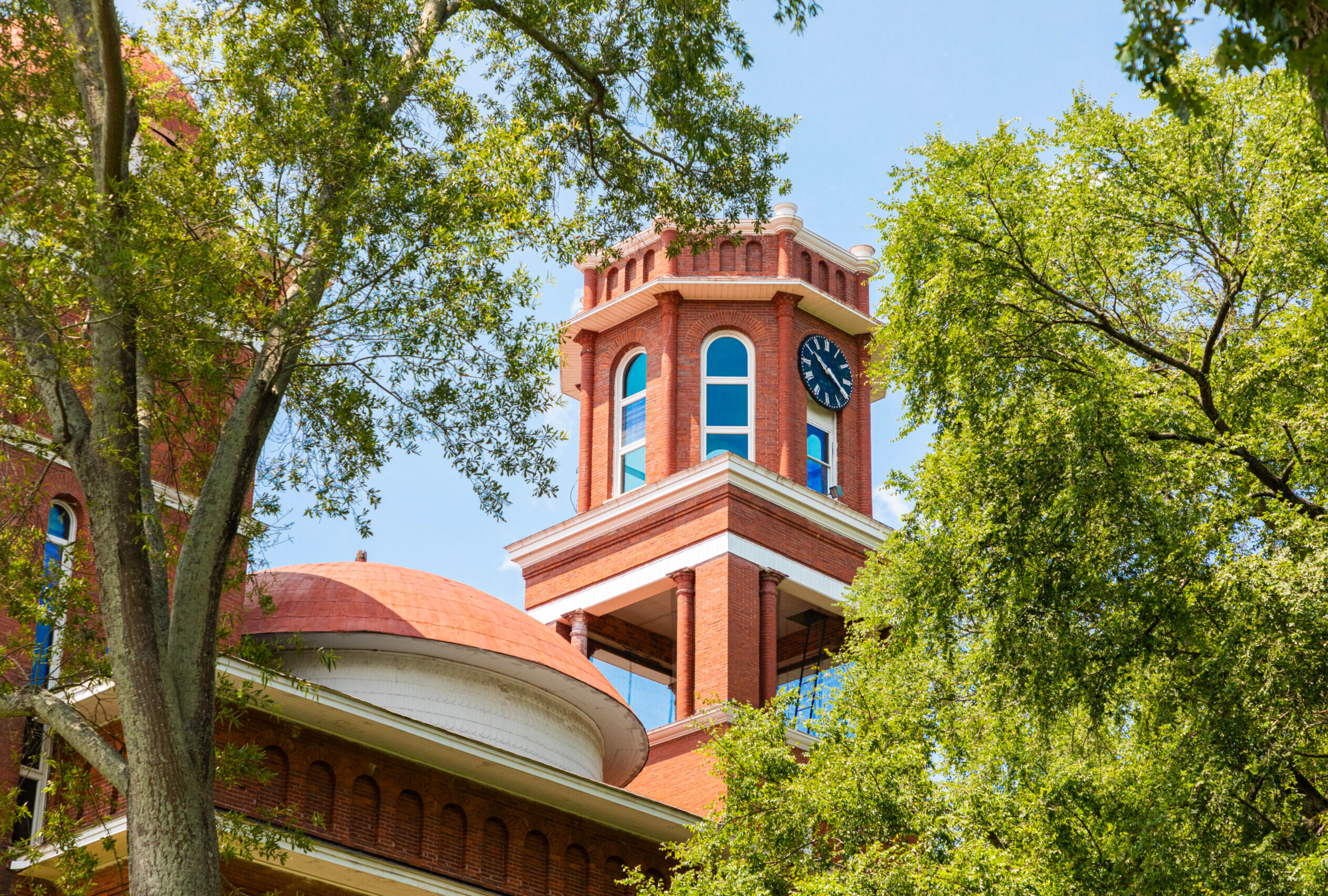
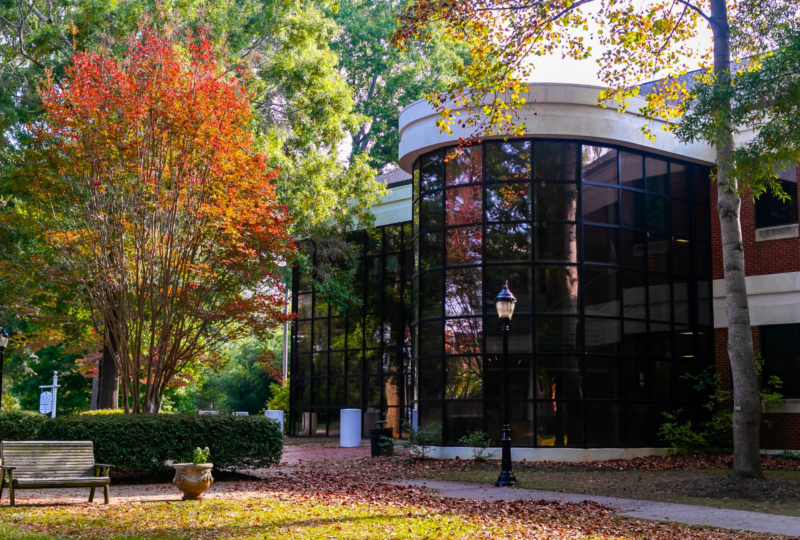
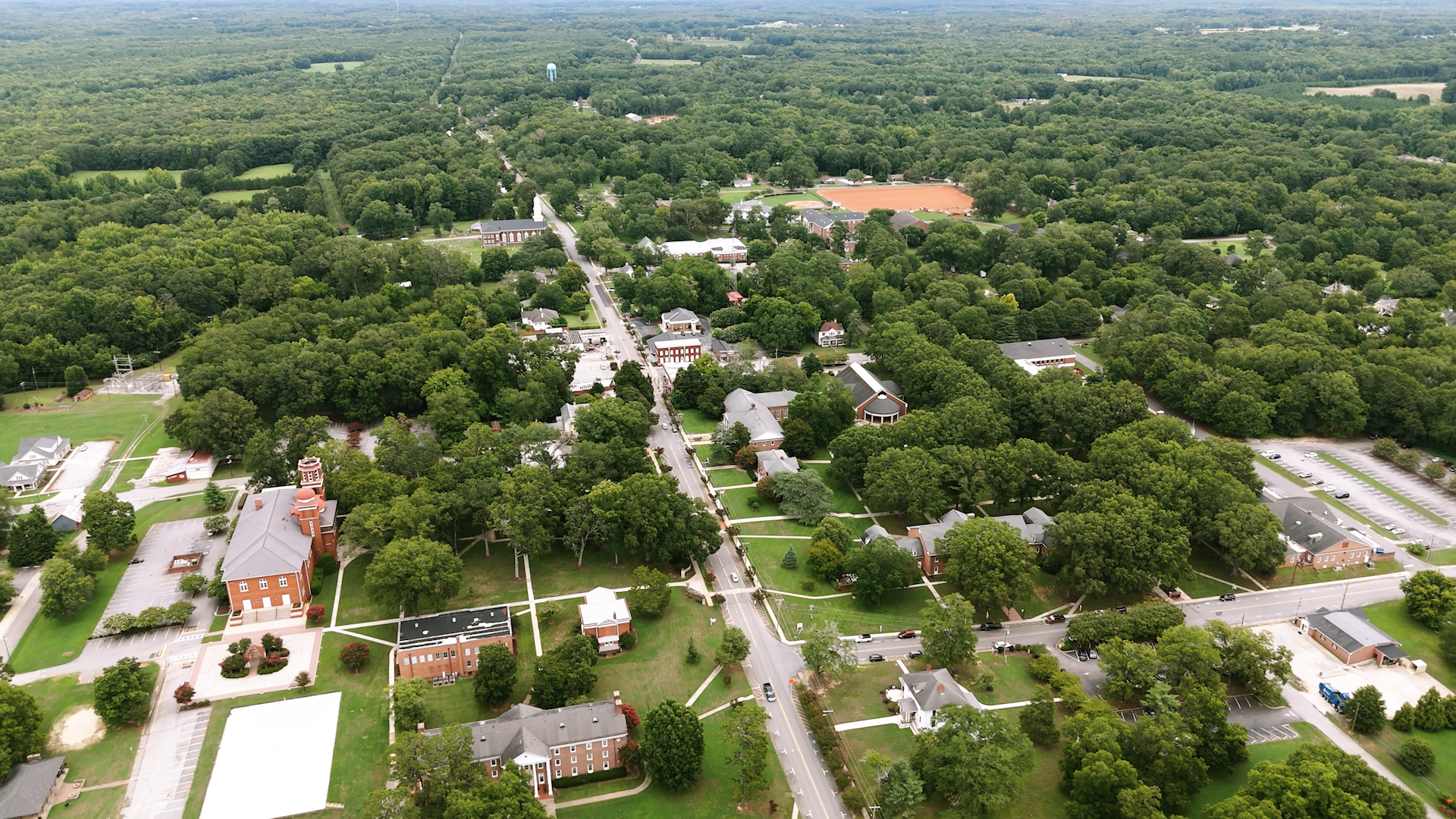
Erskine College seal · sourceErskine College - Due West, South Carolina · sourceErskine College - Due West, South Carolina · sourcePhoto Gallery - Erskine College · source