Loading…
← All schools
European Massage Therapy School-Las Vegas
Las Vegas, NVprivate forprofitwww.school-for-massage.com/
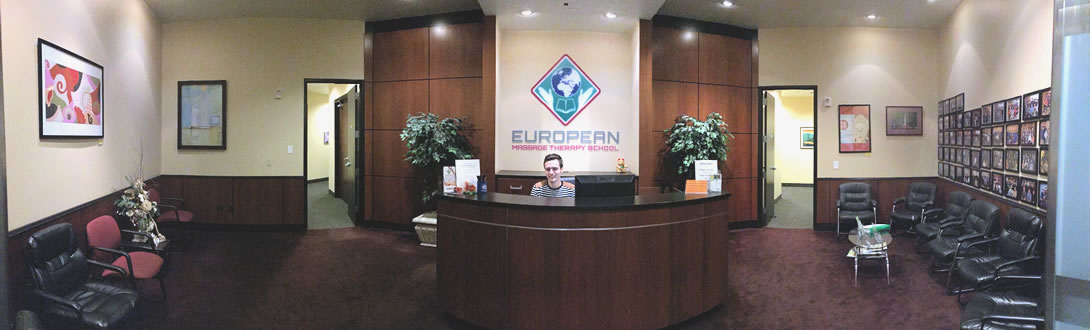
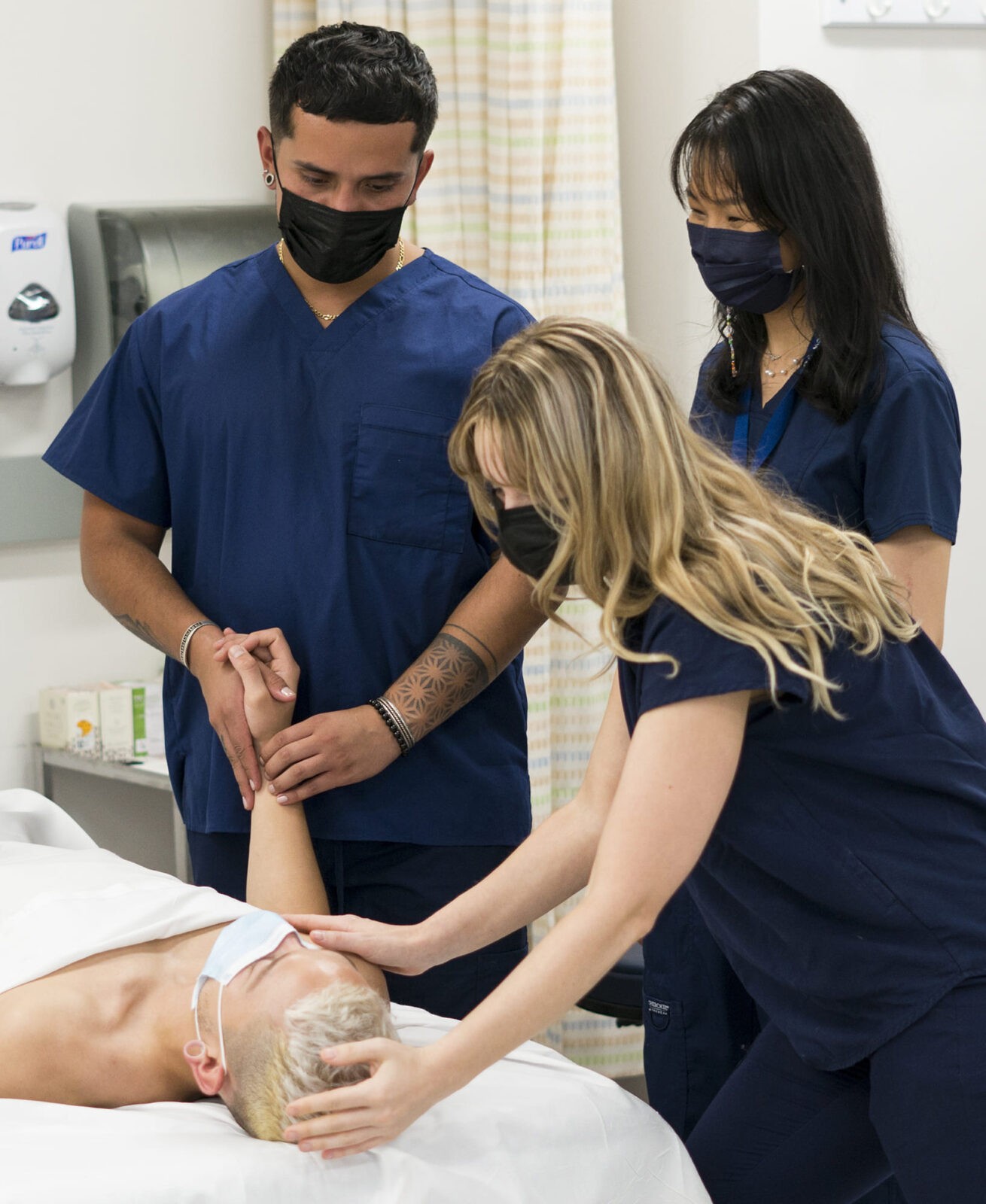
European Massage Therapy School-Las Vegas is a hyper-focused, for-profit trade school that operates with the efficiency of a clinic. It exists to do one thing: transform students into licensed massage therapists through a single, intensive 625-hour program. With a 100% acceptance rate and classes capped at 16, it's a direct pipeline into the profession, serving a student body that is overwhelmingly Hispanic or Latino and prioritizing hands-on skill over traditional campus life.
More details
- Undergrad enrollment
- 84
- Average Debt
- $5,657
- Demographics
- 78.6% Hispanic/Latino
- Exam Pass Rate
- 83%
- Program Length
- 625 hours
- Retention Rate
- 96%
- Class Size Limit
- 16 students
- Job Placement Rate
- 70%
- Student Population
- ~84-140 undergraduates
- Median Earnings (10yr)
- $24,290
Outcomes & value
Outcomes & value
- Median earnings (10 yr)
- $24,290
- Median debt at graduation
- $5,657
- Reducing loan balance (3 yr)
- 72%
- Pell (lower-income) share
- 57%
- First-gen share (among federal-aid recipients)
- 59%
Earnings = median of students working ~10 years after entry; debt = median of graduates. Value divides 10-yr earnings by one year’s net price — read it as earnings per dollar of annual cost, not a full lifetime ROI; it favors lower-cost schools. Source: U.S. Dept. of Education College Scorecard. Figures lag ~2 years and reflect all students, not your intended major.
Campus & location
Climate
- Pleasant days / yr
- 99
- Summer high
- 98°F
- Winter low
- 38°F
- Annual rain
- 6.4"
- Annual snow
- 1.8"
- Natural-hazard risk
- Very High
Pleasant days counts days per year with a mean temperature of 55–75°F, a high at or below 90°F, a low at or above 45°F, and little precipitation — a transparent comfort measure, not a weighting we invented. Computed from Open-Meteo ERA5 daily history (2019–2023). Natural-hazard risk is the county’s composite rating from the FEMA National Risk Index.
Quick answers
- How many undergraduates attend European Massage Therapy School-Las Vegas?
- European Massage Therapy School-Las Vegas enrolls approximately 84 undergraduate students.
- Where is European Massage Therapy School-Las Vegas located?
- European Massage Therapy School-Las Vegas is located in Las Vegas, NV.
Admissions
The admissions process at European Massage Therapy School-Las Vegas is defined by accessibility and a clear vocational focus, not selectivity. The school reports a 100% , making it an open-admission institution for qualified applicants. The primary gates are basic eligibility requirements: applicants must be at least 18 years old by the first day of class and must hold a valid high school diploma or equivalent, with transcripts or a GED required for verification. There is no mention of standardized test scores (SAT/ACT) being part of the process. The school actively recruits through social media, announcing open enrollment for specific class cycles, such as a day class running from 9:00 AM to 1:00 PM, Monday through Thursday. The enrolled student population is notably diverse, with 78.6% identifying as Hispanic or Latino, 14.3% as White, and 4.76% from other racial/ethnic groups. With an undergraduate enrollment of approximately 84 to 140 students, the institution is small and intimate by design.
Compare European Massage Therapy School-Las Vegas
vs United States Coast Guard Academyvs United States Air Force Academyvs Hillsdale Collegevs Livingstone College
See colleges similar to European Massage Therapy School-Las Vegas →Sources
- Consumer Information | European Massage Therapy School
- European Massage Therapy School-Las Vegas
- Common Data Set | Office of Decision Support | UNLV ...
- Enrollment | European Massage Therapy School
- European Massage Therapy School-Las Vegas (no-room/ ...
- European Massage Therapy School-Las Vegas
- European Massage Therapy School - Las Vegas - Niche
- FAQs - European Massage Therapy School-Las Vegas
- European Massage Therapy School-Las Vegas - Unigo.com
- Therapeutic massage is more than relaxation. It's science, precision ...