Loading…
← All schools
First Coast Technical College
Saint Augustine, FLpublicfctc.edu/
Avg net price
$9,577
Earnings (10 yr)
$33,784
Acceptance & SAT from Common Data Set / IPEDS; net price, earnings & graduation from the U.S. Dept. of Education College Scorecard. Figures lag ~1–2 years — verify with the school.
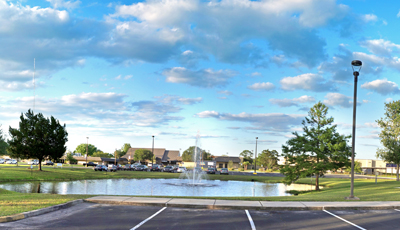
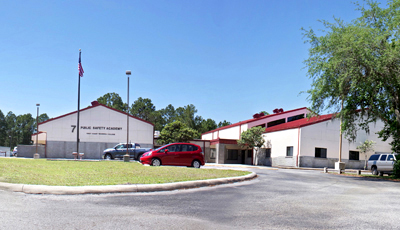
First Coast Technical College is a public, open-access career and technical school in historic St. Augustine, Florida, that operates with a singular, pragmatic mission: to train the regional workforce. Forget SAT scores and essays; admission hinges on a high school diploma or GED and a desire to master a trade, from culinary arts and cosmetology to HVAC and landscape management. This is a place where students pay for skills, not semesters, and where the community literally walks in the door to get a haircut or a meal from the practicing students.
More details
- Undergrad enrollment
- 727
- No-Loan Policy
- Yes, institution does not participate in federal loan programs
- Graduation Rate
- 76.85%
- Meets Full Need
- N/A
- ED Share of Class
- N/A
- Financial Aid Policy
- No federal student loans
- First-Year Retention
- N/A
- Demonstrated Interest
- N/A
- Median Earnings (10yr)
- $33,784
Outcomes & value
Outcomes & value
- Median earnings (10 yr)
- $33,784
- Value (earnings ÷ net price)
- 3.5×
- Pell (lower-income) share
- 32%
- First-gen share (among federal-aid recipients)
- 51%
Earnings = median of students working ~10 years after entry; debt = median of graduates. Value divides 10-yr earnings by one year’s net price — read it as earnings per dollar of annual cost, not a full lifetime ROI; it favors lower-cost schools. Source: U.S. Dept. of Education College Scorecard. Figures lag ~2 years and reflect all students, not your intended major.
Campus & location
Campus safety
- On-campus violent crimes (2024)
- 1
On-campus criminal offenses classed as violent (murder/non-negligent manslaughter, rape, robbery, aggravated assault) for the most recent reported year. Source: U.S. Dept. of Education Campus Safety and Security (Clery Act). Counts reflect what’s reported to the school, and urban campuses often report more partly due to non-student incidents nearby — read alongside campus size and setting, not as a standalone safety verdict.
Climate
- Pleasant days / yr
- 149
- Summer high
- 86°F
- Winter low
- 55°F
- Annual rain
- 47.8"
- Natural-hazard risk
- Relatively Moderate
Pleasant days counts days per year with a mean temperature of 55–75°F, a high at or below 90°F, a low at or above 45°F, and little precipitation — a transparent comfort measure, not a weighting we invented. Computed from Open-Meteo ERA5 daily history (2019–2023). Natural-hazard risk is the county’s composite rating from the FEMA National Risk Index.
Quick answers
- How much does First Coast Technical College cost?
- At First Coast Technical College, the average net price (after aid) is about $9,577 per year. Actual cost varies with financial aid and residency.
- How many undergraduates attend First Coast Technical College?
- First Coast Technical College enrolls approximately 727 undergraduate students.
- Where is First Coast Technical College located?
- First Coast Technical College is located in Saint Augustine, FL.
Admissions
First Coast Technical College practices open admissions, a policy that defines its identity as an accessible gateway to career education. The is 100%, and standardized test scores (SAT/ACT) are explicitly not factors in the admissions decision; the only academic requirement is a high school diploma or GED certificate. The process is decentralized and program-focused: all specific information, including deadlines and requirements, is published on each individual program's webpage. The general enrollment steps are straightforward: prospective students are encouraged to tour the campus, apply for federal student aid, submit official transcripts, secure a seat in their desired program, and then register for classes. Applicants are advised to submit financial aid paperwork at least three weeks before their intended entry date. For support, the Student Services department handles admissions, registration, and advising, reachable via email at [email protected].
Compare First Coast Technical College
vs Florida Polytechnic Universityvs University of Science and Arts of Oklahomavs University of Virginia's College at Wisevs University of Puerto Rico at Cayey
See colleges similar to First Coast Technical College →Sources
- Admissions Policy and Procedures - First Coast Technical College (FCTC ...
- CDS-2024-2025-TEMPLATE.pdf
- How to Enroll - First Coast Technical College (FCTC ...
- First Coast Technical College Statistics
- Application Instructions - Financial Aid
- Student Services - First Coast Technical College (FCTC ...
- First Coast Technical College
- Home - First Coast Technical College (FCTC)
- First Coast Technical College
- First Coast Technical College Admissions Overview
- First Coast Technical College Profile - FloridaShines