Loading…
← All schools
Focus Personal Training Institute
New York, NYprivate forprofitwww.fpti.edu/
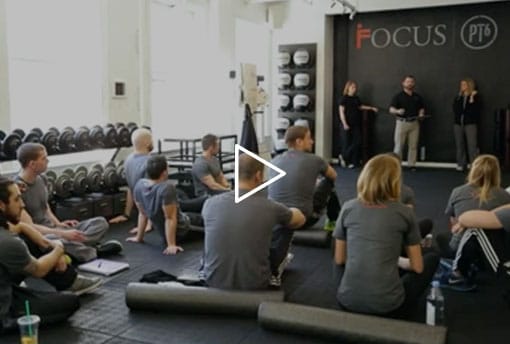
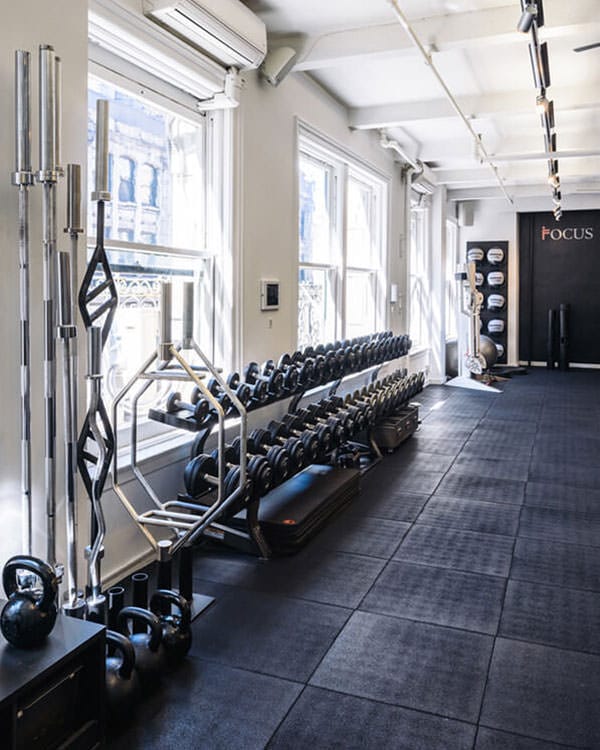
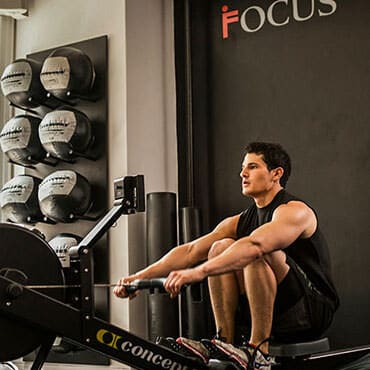
Focus Personal Training Institute is a hyper-specialized, no-frills trade school in New York City that operates on a single, clear mission: turning out 'elite' personal trainers through an intensive, hands-on curriculum. It's not a traditional college—it's a bootcamp for fitness professionals, with an open-door admissions policy that prioritizes career readiness over academic pedigree. The vibe is less about campus life and more about mastering the craft in a private, dedicated studio setting.
More details
- Undergrad enrollment
- 64
- Graduation Rate
- 79%
- Avg. Grant/Scholarship Aid
- $3,406
- % Students Receiving Grant Aid
- 82%
Outcomes & value
Outcomes & value
- Pell (lower-income) share
- 23%
- First-gen share (among federal-aid recipients)
- 47%
Earnings = median of students working ~10 years after entry; debt = median of graduates. Value divides 10-yr earnings by one year’s net price — read it as earnings per dollar of annual cost, not a full lifetime ROI; it favors lower-cost schools. Source: U.S. Dept. of Education College Scorecard. Figures lag ~2 years and reflect all students, not your intended major.
Financial health
1.5 / 3.0Meets the federal financial-responsibility standard
U.S. Dept. of Education Financial Responsibility Composite Score (FY2022-23). Scale −1.0 to 3.0; ≥1.5 meets the standard. Reported for private nonprofit & for-profit institutions only — public universities are state-backed and not scored, so this is a stability signal, not a ranking.
Campus & location
Campus safety
- On-campus violent crimes (2024)
- 0
On-campus criminal offenses classed as violent (murder/non-negligent manslaughter, rape, robbery, aggravated assault) for the most recent reported year. Source: U.S. Dept. of Education Campus Safety and Security (Clery Act). Counts reflect what’s reported to the school, and urban campuses often report more partly due to non-student incidents nearby — read alongside campus size and setting, not as a standalone safety verdict.
Climate
- Pleasant days / yr
- 97
- Summer high
- 82°F
- Winter low
- 29°F
- Annual rain
- 42.4"
- Annual snow
- 18.3"
- Natural-hazard risk
- Relatively High
Pleasant days counts days per year with a mean temperature of 55–75°F, a high at or below 90°F, a low at or above 45°F, and little precipitation — a transparent comfort measure, not a weighting we invented. Computed from Open-Meteo ERA5 daily history (2019–2023). Natural-hazard risk is the county’s composite rating from the FEMA National Risk Index.
Quick answers
- How much does Focus Personal Training Institute cost?
- At Focus Personal Training Institute, the average net price (after aid) is about $23,581 per year. Actual cost varies with financial aid and residency.
- How many undergraduates attend Focus Personal Training Institute?
- Focus Personal Training Institute enrolls approximately 64 undergraduate students.
- Where is Focus Personal Training Institute located?
- Focus Personal Training Institute is located in New York, NY.
Admissions
Forget the , SAT scores, and demonstrated interest—FPTI's admissions process is refreshingly straightforward. The institute has an open admission policy with a reported 100% acceptance rate. There is no mention of GPA requirements, standardized test scores, or a of extracurriculars. The process appears designed for career-changers and aspiring fitness professionals seeking a direct, vocational path. The focus is on enrolling students ready for an intensive, hands-on program, not on constructing a diverse liberal arts class. As a trade school for a specific certification, it bypasses the complex calculus of traditional undergraduate admissions entirely.
Academics
The academic model is singular and immersive. FPTI offers certificate programs designed to produce what it calls 'qualified. Not just certified' personal trainers. The curriculum is exclusive and taught by state-licensed teachers who are also experienced personal trainers, emphasizing technical, ethical, and service-oriented excellence. The institute partners with the National Academy of Sports Medicine (NASM) to deliver . Learning is , a stark contrast to large lecture halls. The goal is career readiness, with the curriculum built around one of for personal training. The program's intensity and specificity aim to bridge the gap between a basic certification and the deep knowledge of kinesthetic science found in longer university degrees, as noted by industry observers who value trainers with extensive academic backgrounds.
Compare Focus Personal Training Institute
See colleges similar to Focus Personal Training Institute →Sources
- Focus Personal Training Institute | College Scorecard
- Common Data Set 2024-2025
- The Common Data Set: What It Is & How to Use It In ...
- Common Data Set 2024-2025
- Want an advantage in the college admissions process ...
- Common Data Set: Home
- Focus Personal Training Institute
- Focus Personal Training Institute Statistics
- Focus Personal Training Institute Acceptance Rate, SAT, ...
- Focus Personal Training Institute - BigFuture College Search
- Personal Training School New York, Certificate Programs ...