Loading…
← All schools
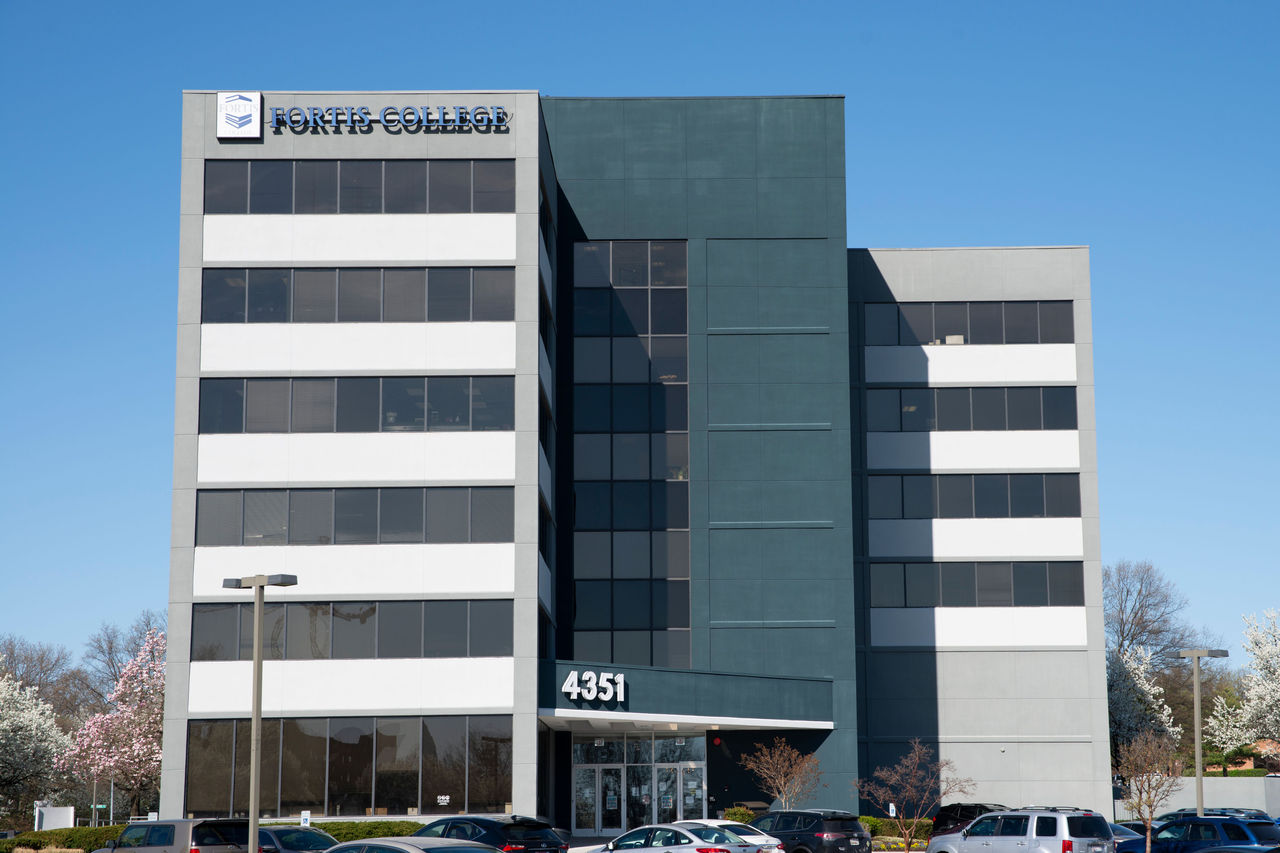
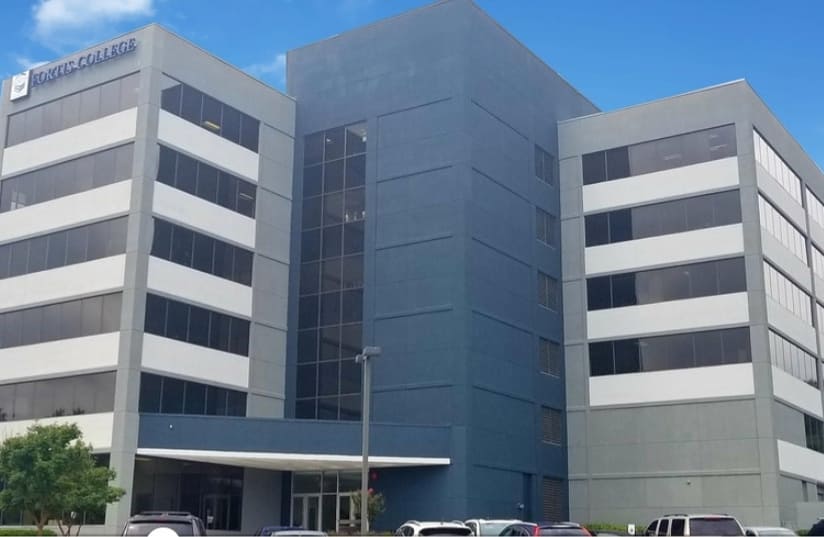
Fortis College-Landover
Landover, MDprivate forprofitwww.fortis.edu/
Avg net price
$26,578
Earnings (10 yr)
$36,920
Acceptance & SAT from Common Data Set / IPEDS; net price, earnings & graduation from the U.S. Dept. of Education College Scorecard. Figures lag ~1–2 years — verify with the school.
Fortis College-Landover is a private, for-profit career college in Maryland that operates with a starkly different ethos from the traditional liberal arts campus. Its identity is built entirely on fast-track, hands-on training for specific healthcare and skilled trade roles, serving a student body that is overwhelmingly Black and Hispanic and often comprised of career-changers and recent high school graduates seeking direct workforce entry. The school's 100% acceptance rate and open admissions policy reflect its mission of accessibility, but prospective students must weigh this against the significant financial investment and the institution's graduation and earnings outcomes.
More details
- Undergrad enrollment
- 566
- In-state tuition
- $16,522
- Out-of-state tuition
- $16,522
- Highest Degree
- Associate
- Graduation Rate
- 53% (2022 FT Cohort Completion)
- Student Demographics
- 69.7% Black, 19.4% Hispanic
- Student-Faculty Ratio
- 25:1
- Median Earnings (10yr)
- $36,920
- Financial Aid Recipients
- 93% of first-time students
Outcomes & value
Outcomes & value
- Median earnings (10 yr)
- $36,920
- Value (earnings ÷ net price)
- 1.4×
- Median debt at graduation
- $9,500
- Reducing loan balance (3 yr)
- 35%
- Pell (lower-income) share
- 74%
- First-gen share (among federal-aid recipients)
- 64%
Earnings = median of students working ~10 years after entry; debt = median of graduates. Value divides 10-yr earnings by one year’s net price — read it as earnings per dollar of annual cost, not a full lifetime ROI; it favors lower-cost schools. Source: U.S. Dept. of Education College Scorecard. Figures lag ~2 years and reflect all students, not your intended major.
Campus & location
Campus safety
- On-campus violent crimes (2024)
- 0
On-campus criminal offenses classed as violent (murder/non-negligent manslaughter, rape, robbery, aggravated assault) for the most recent reported year. Source: U.S. Dept. of Education Campus Safety and Security (Clery Act). Counts reflect what’s reported to the school, and urban campuses often report more partly due to non-student incidents nearby — read alongside campus size and setting, not as a standalone safety verdict.
Climate
- Pleasant days / yr
- 89
- Summer high
- 86°F
- Winter low
- 32°F
- Annual rain
- 57.3"
- Annual snow
- 10.5"
- Natural-hazard risk
- Relatively Moderate
Pleasant days counts days per year with a mean temperature of 55–75°F, a high at or below 90°F, a low at or above 45°F, and little precipitation — a transparent comfort measure, not a weighting we invented. Computed from Open-Meteo ERA5 daily history (2019–2023). Natural-hazard risk is the county’s composite rating from the FEMA National Risk Index.
Quick answers
- How much does Fortis College-Landover cost?
- At Fortis College-Landover, the average net price (after aid) is about $26,578 per year. Actual cost varies with financial aid and residency.
- How many undergraduates attend Fortis College-Landover?
- Fortis College-Landover enrolls approximately 566 undergraduate students.
- Where is Fortis College-Landover located?
- Fortis College-Landover is located in Landover, MD.
Admissions
Fortis College-Landover maintains an open admissions policy, meaning it does not selectively screen applicants based on academic credentials. Multiple sources confirm a 100% , a figure that underscores the institution's mission to provide access to career training. The school's own catalog and federal data reports indicate it is a private for-profit institution with about seven programs reporting completions. The enrolled student population is notably diverse, with 69.7% identifying as Black or African American and 19.4% as Hispanic or Latino. Admissions data and test scores are only presented for institutions without an open admission policy, which Fortis has, further confirming its non-selective nature. The process is designed for accessibility, catering to a mix of recent high school graduates, career changers, and other non-traditional students.
Compare Fortis College-Landover
See colleges similar to Fortis College-Landover →Sources
- Fortis College-Landover - DFR Report HTML - Department of Education
- Fortis College, Landover, MD Student's Right-to-Know Disclosure ...
- Fortis College-Landover - DFR Report HTML - Department of Education
- Fortis College-Landover-Landover Campus
- Fortis College-Landover - School Profile - College & Career Data
- 2026 - 2027 Catalog
- Fortis College, Landover - Tuition and Acceptance Rate
- Fortis College-Salt Lake City SAT Scores, ACT Scores, Acceptance ...
- Fortis College - Landover
- Fortis College Admissions - BigFuture College Search