Loading…
← All schools
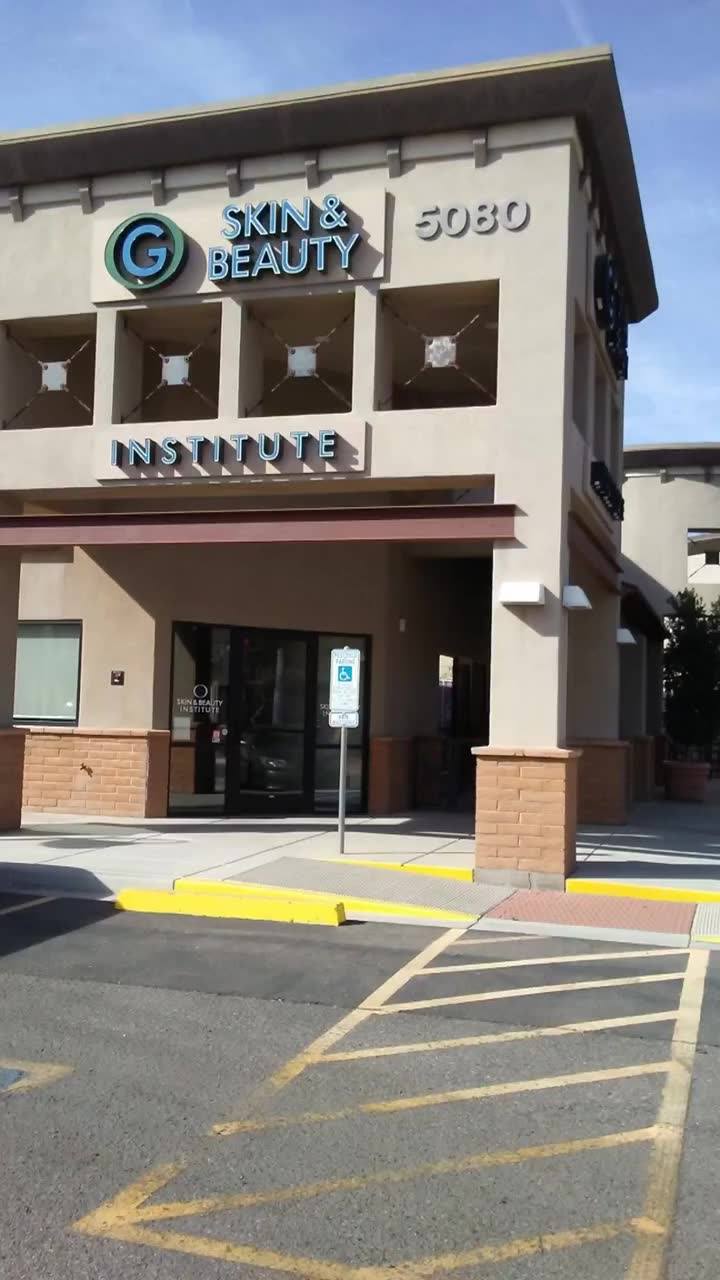
G Skin & Beauty Institute
Schaumburg, ILprivate forprofitgskinbeautyinstitute.edu/
Avg net price
$21,847
Earnings (10 yr)
$29,032
Acceptance & SAT from Common Data Set / IPEDS; net price, earnings & graduation from the U.S. Dept. of Education College Scorecard. Figures lag ~1–2 years — verify with the school.
G Skin & Beauty Institute is a for-profit vocational school laser-focused on training estheticians and cosmetologists. Its identity is built entirely around hands-on, client-facing skill development in skin care and beauty services, delivered through an intensive, career-oriented curriculum. The experience is more akin to a professional apprenticeship than a traditional college, with outcomes and costs that prospective students must weigh carefully against the specific demands of the beauty industry.
More details
- Undergrad enrollment
- 490
- Financial Aid
- FAFSA, Pell Grants, Loans, Scholarships available
- Graduation Rate
- 56% (6-year) / 73% (reported, source varies)
- Programs Offered
- Esthetics, Cosmetology
- Student Demographics
- Predominantly Female (White Female: 41.8%)
- Median Earnings (10yr)
- $29,032
Outcomes & value
Outcomes & value
- Median earnings (10 yr)
- $29,032
- Value (earnings ÷ net price)
- 1.3×
- Median debt at graduation
- $6,333
- Reducing loan balance (3 yr)
- 49%
- Pell (lower-income) share
- 39%
- First-gen share (among federal-aid recipients)
- 50%
Earnings = median of students working ~10 years after entry; debt = median of graduates. Value divides 10-yr earnings by one year’s net price — read it as earnings per dollar of annual cost, not a full lifetime ROI; it favors lower-cost schools. Source: U.S. Dept. of Education College Scorecard. Figures lag ~2 years and reflect all students, not your intended major.
Financial health
3.0 / 3.0Meets the federal financial-responsibility standard
U.S. Dept. of Education Financial Responsibility Composite Score (FY2022-23). Scale −1.0 to 3.0; ≥1.5 meets the standard. Reported for private nonprofit & for-profit institutions only — public universities are state-backed and not scored, so this is a stability signal, not a ranking.
Campus & location
Campus safety
- On-campus violent crimes (2024)
- 0
On-campus criminal offenses classed as violent (murder/non-negligent manslaughter, rape, robbery, aggravated assault) for the most recent reported year. Source: U.S. Dept. of Education Campus Safety and Security (Clery Act). Counts reflect what’s reported to the school, and urban campuses often report more partly due to non-student incidents nearby — read alongside campus size and setting, not as a standalone safety verdict.
Climate
- Pleasant days / yr
- 93
- Summer high
- 81°F
- Winter low
- 21°F
- Annual rain
- 32.6"
- Annual snow
- 33.3"
- Natural-hazard risk
- Very High
Pleasant days counts days per year with a mean temperature of 55–75°F, a high at or below 90°F, a low at or above 45°F, and little precipitation — a transparent comfort measure, not a weighting we invented. Computed from Open-Meteo ERA5 daily history (2019–2023). Natural-hazard risk is the county’s composite rating from the FEMA National Risk Index.
Quick answers
- How much does G Skin & Beauty Institute cost?
- At G Skin & Beauty Institute, the average net price (after aid) is about $21,847 per year. Actual cost varies with financial aid and residency.
- How many undergraduates attend G Skin & Beauty Institute?
- G Skin & Beauty Institute enrolls approximately 490 undergraduate students.
- Where is G Skin & Beauty Institute located?
- G Skin & Beauty Institute is located in Schaumburg, IL.
Admissions
Admissions at G Skin & Beauty Institute operates on a fundamentally different model than a traditional undergraduate college. The process is vocational and open-access, centered on verifying basic eligibility rather than competitive selection. The primary requirements are a high school diploma and payment of a $100 registration fee. The institution does not utilize standardized tests like the SAT or ACT in its admissions decisions. While one source suggests an of 100%, another states the school has not reported a current acceptance rate, indicating a non-selective, capacity-driven admissions process. The student body is predominantly female, with White females making up 41.8% of full-time undergraduate students, followed by Hispanic or Latino females. It is important to note that some public feedback characterizes the admissions process as having a strong sales component, with one account describing an admissions representative as an "aggressive sales" person.
Academics
Compare G Skin & Beauty Institute
vs Hillsdale Collegevs United States Coast Guard Academyvs Drury Universityvs Southwest Baptist University
See colleges similar to G Skin & Beauty Institute →Sources
- G Skin & Beauty Institute
- Common Data Set: Home
- G Skin & Beauty Institute: Acceptance Rate, Tuition & Rankings
- NAPERVILLE CAMPUS
- G Skin & Beauty Institute | College Scorecard
- Common Data Set 2021-2022
- G Skin & Beauty Institute - Oakbrook
- Vocational Programs at G Skin & Beauty Institute
- G Skin & Beauty Institute | Beauty School Education
- DO NOT ATTEND GSKIN BEAUTY INSTITUTE/SCHOOL
- Esthetician Schools