Loading…
← All schools
Gemological Institute of America-Carlsbad
Carlsbad, CAprivate nonprofitwww.gia.edu/gem-education
Avg net price
$30,055
Earnings (10 yr)
$42,588
Acceptance & SAT from Common Data Set / IPEDS; net price, earnings & graduation from the U.S. Dept. of Education College Scorecard. Figures lag ~1–2 years — verify with the school.
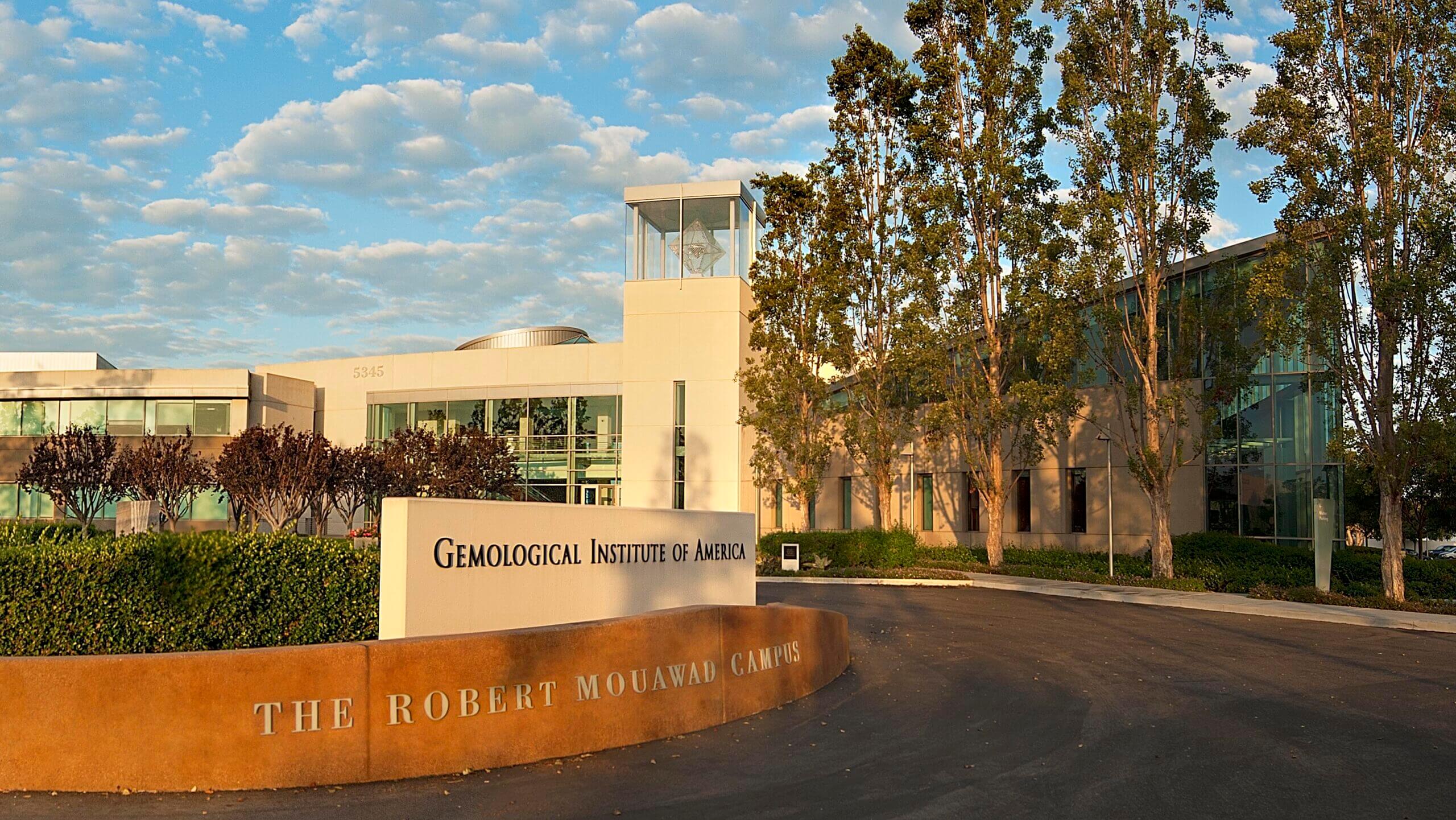
The Gemological Institute of America in Carlsbad is not a traditional liberal arts college—it's the world's premier trade school for gems and jewelry, operating more like a global guild than a university. With a 100% acceptance rate for qualified applicants, its admissions philosophy is radically open, but its intensive, hands-on curriculum in diamond grading, jewelry arts, and gemology is anything but easy, designed to funnel graduates directly into a specialized, high-skill industry. The experience is defined by a sun-drenched, ocean-view campus in Southern California, a tight-knit, international student body, and a direct pipeline to careers where graduates can command salaries well above the national average for trade professions.
More details
- Undergrad enrollment
- 186
- Campus
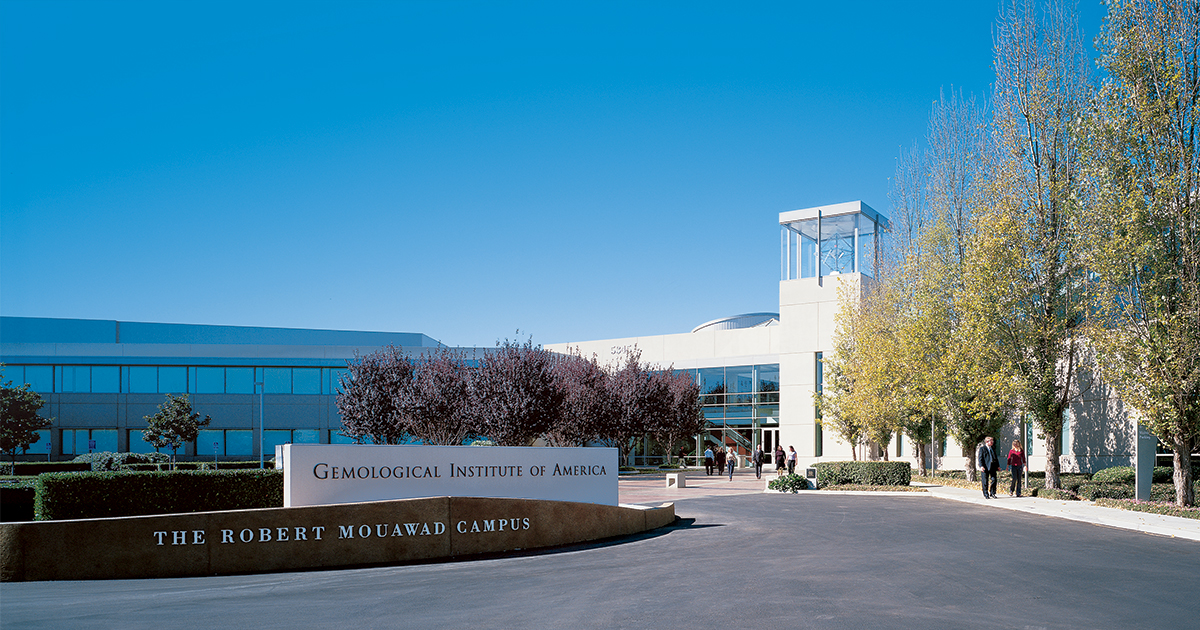
- Robert Mouawad Campus, Carlsbad, CA
- Program Focus
- Gemology & Jewelry Arts
- No-Loan Policy
- No
- Meets Full Need
- Not indicated
- Application Deadlines
- None (Rolling)
- Demonstrated Interest
- Not considered
- Median Earnings (10yr)
- $42,588
Outcomes & value
Outcomes & value
- Median earnings (10 yr)
- $42,588
- Value (earnings ÷ net price)
- 1.4×
- Reducing loan balance (3 yr)
- 81%
- Pell (lower-income) share
- 12%
- First-gen share (among federal-aid recipients)
- 33%
Earnings = median of students working ~10 years after entry; debt = median of graduates. Value divides 10-yr earnings by one year’s net price — read it as earnings per dollar of annual cost, not a full lifetime ROI; it favors lower-cost schools. Source: U.S. Dept. of Education College Scorecard. Figures lag ~2 years and reflect all students, not your intended major.
Campus & location
Campus safety
- On-campus violent crimes (2024)
- 0
On-campus criminal offenses classed as violent (murder/non-negligent manslaughter, rape, robbery, aggravated assault) for the most recent reported year. Source: U.S. Dept. of Education Campus Safety and Security (Clery Act). Counts reflect what’s reported to the school, and urban campuses often report more partly due to non-student incidents nearby — read alongside campus size and setting, not as a standalone safety verdict.
Climate
- Pleasant days / yr
- 250
- Summer high
- 77°F
- Winter low
- 46°F
- Annual rain
- 18.2"
- Natural-hazard risk
- Very High
Pleasant days counts days per year with a mean temperature of 55–75°F, a high at or below 90°F, a low at or above 45°F, and little precipitation — a transparent comfort measure, not a weighting we invented. Computed from Open-Meteo ERA5 daily history (2019–2023). Natural-hazard risk is the county’s composite rating from the FEMA National Risk Index.
Quick answers
- How much does Gemological Institute of America-Carlsbad cost?
- At Gemological Institute of America-Carlsbad, the average net price (after aid) is about $30,055 per year. Actual cost varies with financial aid and residency.
- How many undergraduates attend Gemological Institute of America-Carlsbad?
- Gemological Institute of America-Carlsbad enrolls approximately 186 undergraduate students.
- Where is Gemological Institute of America-Carlsbad located?
- Gemological Institute of America-Carlsbad is located in Carlsbad, CA.
Admissions
Forget the hyper-competitive, of traditional colleges—GIA Carlsbad's admissions process is refreshingly straightforward and open. The institute reports a 100% acceptance rate for qualified applicants, a figure confirmed by multiple external sources. The primary barrier to entry is not a high GPA or test scores, but possessing a high school diploma or equivalent and, for on-campus and lab classes, being at least 18 years old. The , a standardized reporting tool used by many colleges, is not published by GIA, which aligns with its non-traditional, career-focused model. There are no application deadlines; classes are offered year-round, allowing students to enroll on a rolling basis. This approach reflects the school's mission: to provide access to specialized trade education for anyone with the foundational qualifications and the drive to enter the gem and jewelry field. Demonstrated interest, a factor weighed heavily by many selective liberal arts colleges, is not a consideration here—the focus is purely on meeting the basic eligibility requirements.
Compare Gemological Institute of America-Carlsbad
vs Northwest Nazarene Universityvs Arizona Christian Universityvs The College of Idahovs Westmont College
See colleges similar to Gemological Institute of America-Carlsbad →Sources
- GIA Acceptance Rate - Study at Gemological Institute of Am…
- Gemological Institute of America-Carlsbad
- Common Data Set: Home
- Common Data Set 2022-2023
- Common Data Set
- Common Data Set 202
- Gemological Institute of America-Carlsbad Acceptance Rate
- Gemological Institute of America-Carlsbad - Unigo.com
- Gemological Institute of America-Carlsbad Statistics - Overgrad
- Gemological Institute of America-Carlsbad - College & Career Data