Loading…
← All schools
Grace Mission University
Fullerton, CAprivate nonprofitwww.gm.edu/
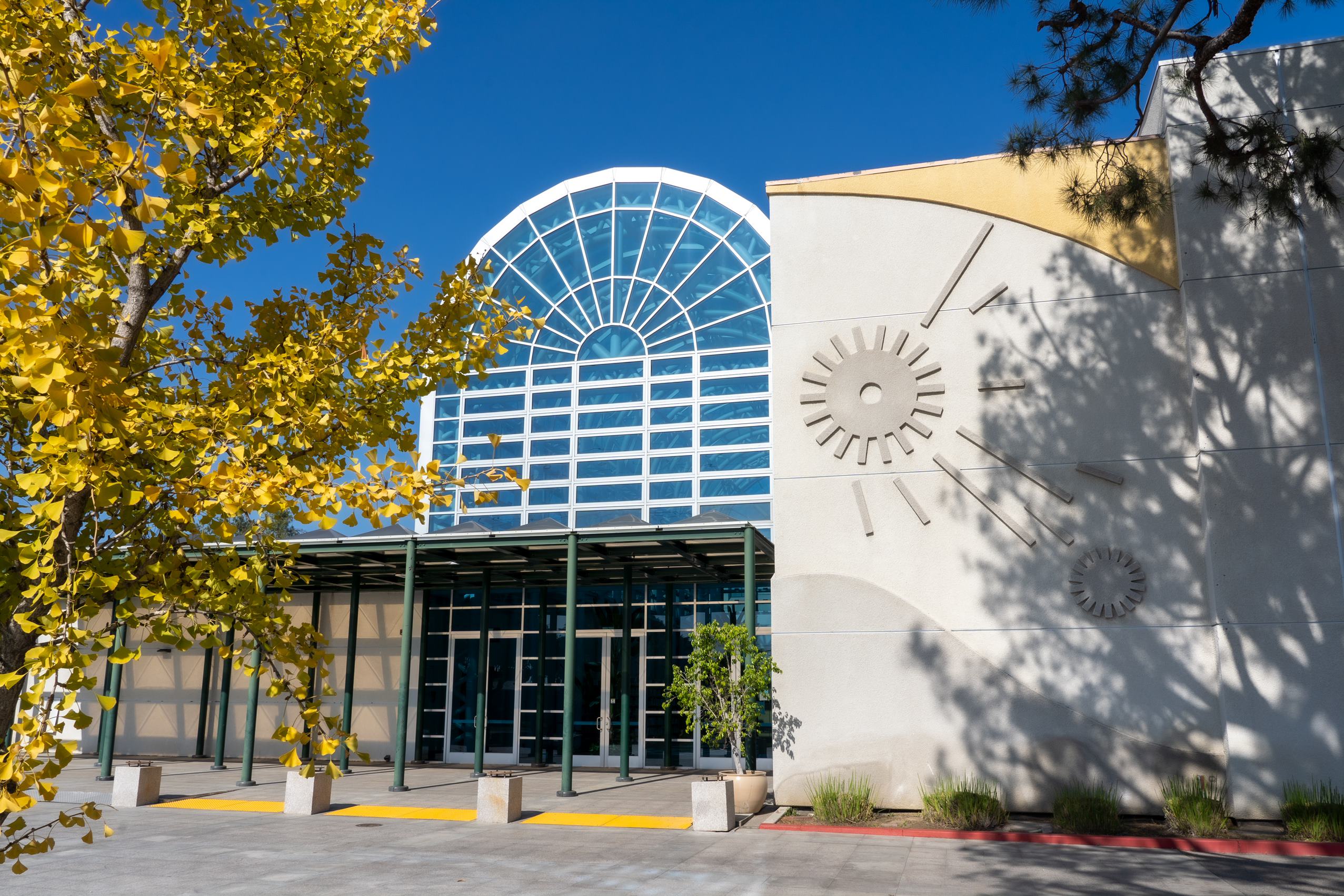
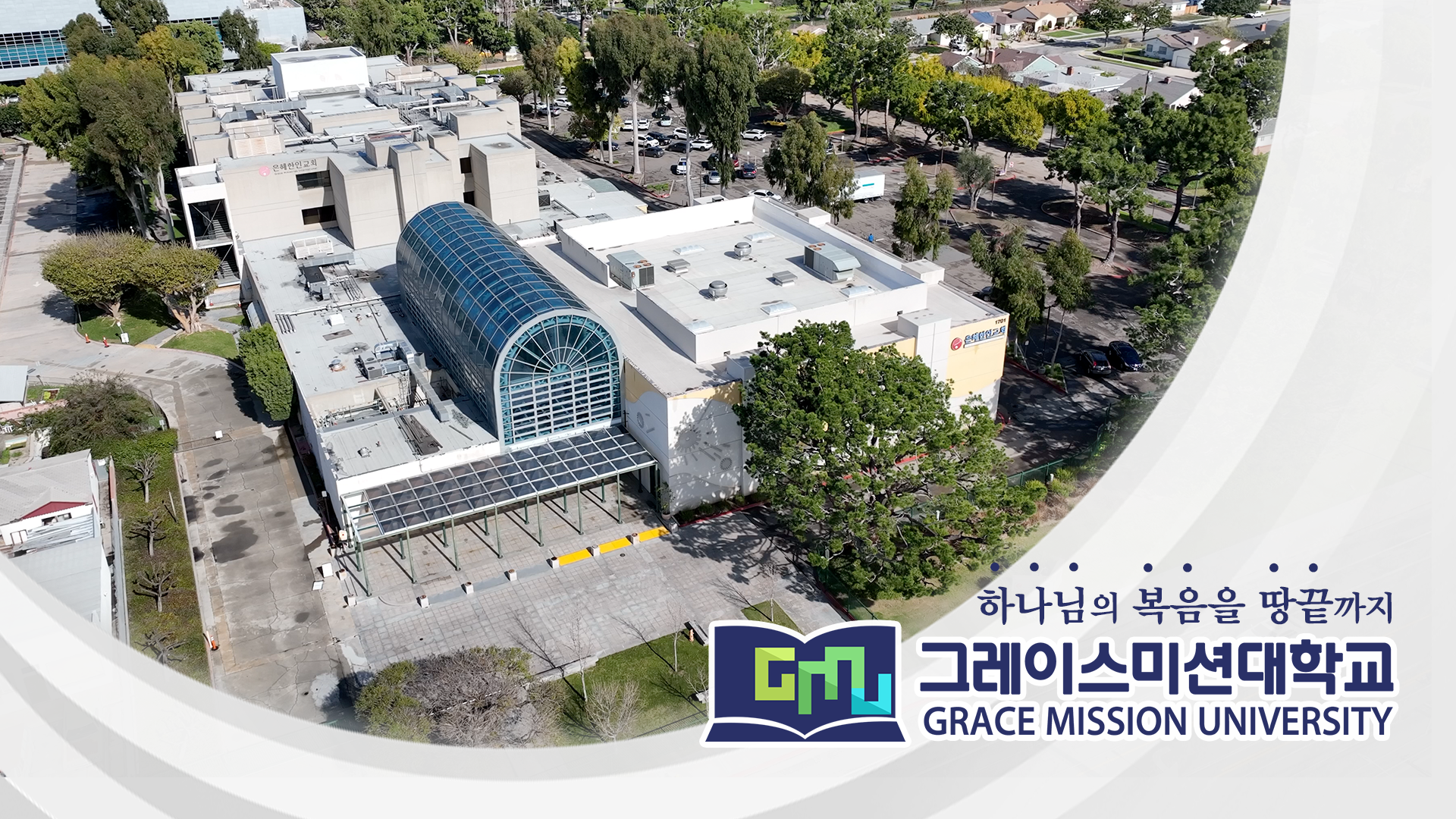
Grace Mission University in Fullerton, California, is a deeply religious institution where theological training is the central, defining purpose. It operates with an open admissions philosophy, welcoming virtually all applicants into its distance-learning and on-campus programs focused on biblical studies and pastoral ministry. The student experience is explicitly framed around spiritual growth and Christian community, with outcomes geared toward service rather than conventional career metrics.
More details
- Undergrad enrollment
- 68
- In-state tuition
- $3,370
- Out-of-state tuition
- $3,370
- Location
- Fullerton, CA
- Graduation Rate
- 100%
- Learning Format
- On-campus & Distance Education
- Standardized Tests
- Not required
- Most Popular Majors
- Pastoral Counseling, Theological Studies
- Application Deadline
- Rolling
Outcomes & value
Outcomes & value
- Graduation rate
- 100%
- First-year retention
- 80%
- Pell (lower-income) share
- 24%
Earnings = median of students working ~10 years after entry; debt = median of graduates. Value divides 10-yr earnings by one year’s net price — read it as earnings per dollar of annual cost, not a full lifetime ROI; it favors lower-cost schools. Source: U.S. Dept. of Education College Scorecard. Figures lag ~2 years and reflect all students, not your intended major.
Campus & location
Campus safety
- On-campus violent crimes (2024)
- 0
- Per 1,000 students
- 0.00
On-campus criminal offenses classed as violent (murder/non-negligent manslaughter, rape, robbery, aggravated assault) for the most recent reported year. Source: U.S. Dept. of Education Campus Safety and Security (Clery Act). Counts reflect what’s reported to the school, and urban campuses often report more partly due to non-student incidents nearby — read alongside campus size and setting, not as a standalone safety verdict.
Climate
- Pleasant days / yr
- 265
- Summer high
- 83°F
- Winter low
- 48°F
- Annual rain
- 14.6"
- Natural-hazard risk
- Very High
Pleasant days counts days per year with a mean temperature of 55–75°F, a high at or below 90°F, a low at or above 45°F, and little precipitation — a transparent comfort measure, not a weighting we invented. Computed from Open-Meteo ERA5 daily history (2019–2023). Natural-hazard risk is the county’s composite rating from the FEMA National Risk Index.
Deep dive — research, future-scholar output & economic mobility
Research output
- Institutional h-index
- 8
- Scholarly works
- 39
Institutional research volume and impact from OpenAlex. The h-index reflects large research universities and will be low for teaching-focused liberal-arts colleges — not a measure of undergraduate quality.
Quick answers
- How many undergraduates attend Grace Mission University?
- Grace Mission University enrolls approximately 68 undergraduate students.
- Where is Grace Mission University located?
- Grace Mission University is located in Fullerton, CA.
Admissions
Grace Mission University maintains an open admission policy, meaning it admits virtually all secondary school graduates or students with GED equivalency diplomas. Multiple sources confirm an of 100%. The university does not require standardized tests like the SAT or ACT for admission, and the regular admissions application deadline is rolling. While the official admissions page mentions performance on standardized tests and college-level GPA, this appears to be for specific program requirements rather than a barrier to entry. The process is designed to be accessible, with the Office of Admissions issuing letters of acceptance to applicants who have completed all requirements satisfactorily. There is no available data on Early Decision policies or whether demonstrated interest is considered in the admissions process.
Compare Grace Mission University
See colleges similar to Grace Mission University →Sources
- Common Data Set 2024-2025
- Grace Mission University - Sallie
- Grace Mission University
- Student Handbook
- Common Data Set
- My daughter is freaking out and now so am I
- Grace Mission University - Niche
- GENERAL INFORMATION - Grace Mission University
- Grace Mission University — Admissions, Tuition & Acceptance Rate
- Grace College Admissions - U.S. News & World Report
- INTERNATIONAL STUDENT - Grace Mission University