Loading…
← All schools
Gratz College
Jenkintown, PAprivate nonprofitgratz.edu
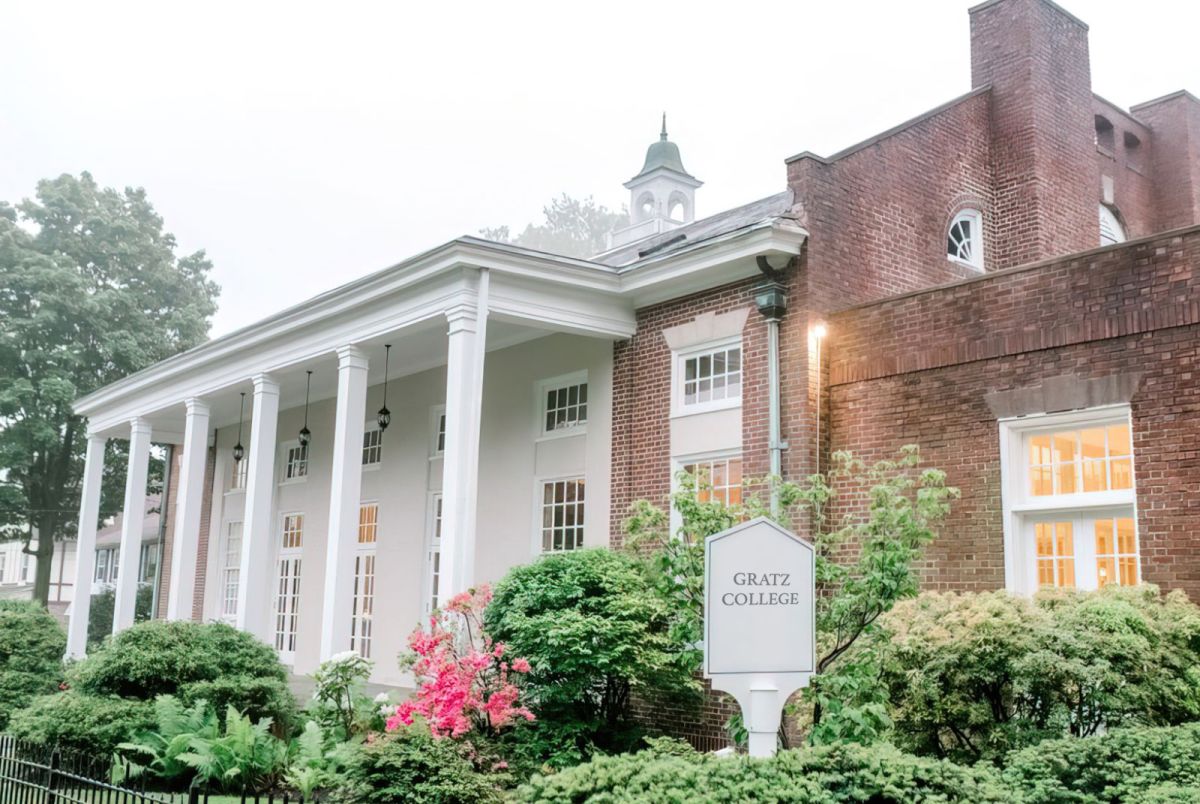
Gratz College isn't your typical liberal arts campus. Founded in 1895, it holds the distinction of being the oldest independent and pluralistic college for Jewish studies in North America, but today it operates almost entirely online, serving a national and international community of adult learners and professionals. Its singular focus is on flexible, asynchronous graduate and certificate programs, with a powerhouse reputation in Jewish/Judaic studies, Holocaust and Genocide education, and, notably, the first M.A. in Antisemitism Studies in the United States. This is a niche institution for a specific kind of student: one seeking a deeply specialized, career-oriented education rooted in Jewish thought and history, delivered on their own schedule.
More details
- Undergrad enrollment
- 143
- Founded
- 1895
- Signature Program
- World's largest graduate program in Holocaust & Genocide Studies
- Student Body Reach
- 43 states and 13 countries
- Academic Innovation
- First M.A. in Antisemitism Studies in the U.S.
- Instructional Model
- Online, asynchronous, 8-week courses
- Historical Distinction
- Oldest independent pluralistic Jewish studies college in North America
- Student Retention Rate
- 88%
- Student-to-Faculty Ratio
- 12:1
Outcomes & value
Outcomes & value
- Pell (lower-income) share
- 2%
- Endowment / student
- $12,911
Earnings = median of students working ~10 years after entry; debt = median of graduates. Value divides 10-yr earnings by one year’s net price — read it as earnings per dollar of annual cost, not a full lifetime ROI; it favors lower-cost schools. Source: U.S. Dept. of Education College Scorecard. Figures lag ~2 years and reflect all students, not your intended major.
Financial health
2.4 / 3.0Meets the federal financial-responsibility standard
U.S. Dept. of Education Financial Responsibility Composite Score (FY2022-23). Scale −1.0 to 3.0; ≥1.5 meets the standard. Reported for private nonprofit & for-profit institutions only — public universities are state-backed and not scored, so this is a stability signal, not a ranking.
Campus & location
Campus safety
- On-campus violent crimes (2024)
- 0
- Per 1,000 students
- 0.00
On-campus criminal offenses classed as violent (murder/non-negligent manslaughter, rape, robbery, aggravated assault) for the most recent reported year. Source: U.S. Dept. of Education Campus Safety and Security (Clery Act). Counts reflect what’s reported to the school, and urban campuses often report more partly due to non-student incidents nearby — read alongside campus size and setting, not as a standalone safety verdict.
Climate
- Pleasant days / yr
- 97
- Summer high
- 85°F
- Winter low
- 30°F
- Annual rain
- 38.5"
- Annual snow
- 13.9"
- Natural-hazard risk
- Relatively High
Pleasant days counts days per year with a mean temperature of 55–75°F, a high at or below 90°F, a low at or above 45°F, and little precipitation — a transparent comfort measure, not a weighting we invented. Computed from Open-Meteo ERA5 daily history (2019–2023). Natural-hazard risk is the county’s composite rating from the FEMA National Risk Index.
Deep dive — research, future-scholar output & economic mobility
Research output
- Institutional h-index
- 86
- Scholarly works
- 596
Institutional research volume and impact from OpenAlex. The h-index reflects large research universities and will be low for teaching-focused liberal-arts colleges — not a measure of undergraduate quality.
Quick answers
- How many undergraduates attend Gratz College?
- Gratz College enrolls approximately 143 undergraduate students.
- Where is Gratz College located?
- Gratz College is located in Jenkintown, PA.
Admissions
Admissions at Gratz College reflect its mission as an online, graduate-focused institution serving adult professionals. The process is characterized by high accessibility and rolling admissions, with six annual enrollment dates and an 8-week asynchronous course structure designed for working students. Published vary widely among third-party sources, from 52% to over 90%, underscoring the college's inclusive approach. The Princeton Review notes that applications are reviewed for admissions statistics and scores, but the college's own materials emphasize flexibility over selectivity. Standardized test scores (SAT/ACT) are not a focal point of the process, aligning with the profile of non-traditional, graduate-level applicants. The framework, while a standard for undergraduate reporting, is less directly applicable to Gratz's model, which centers on continuous review for its online degree and certificate programs.
Compare Gratz College
See colleges similar to Gratz College →Sources
- Common Data Set: Home
- Education
- Common Data Set 2021-2022
- Common Data Set - Data, Analytics & Institutional Research
- How To Use a Common Data Set
- Common Data Set 2023 – 2024
- Gratz College
- Admissions, Tuition, and Financial Aid
- Gratz College Admissions: SAT, ACT & GPA Requirements
- Gratz College [Acceptance Rate + Statistics + Tuition]
- Gratz College Admissions - BigFuture College Search
- Gratz College Acceptance Rate